Rummy Guide: Map Your Hand’s Three Best Routes
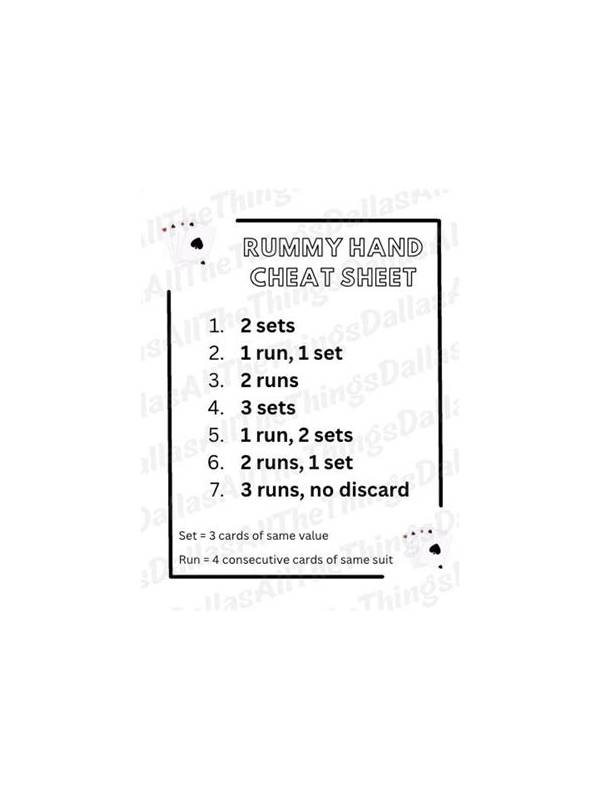
Many rummy hands look promising because several cards appear connected. The difficulty is deciding which connection deserves attention first. Instead of following the first pair you notice, map three possible routes through the hand. This small habit makes your choices more deliberate without slowing every turn.
Start by sorting the cards by suit and looking for natural runs. A natural run is a sequence that does not need a wild card or an unlikely draw to become useful. Mark the strongest one, even if it contains only two cards. Next, look across ranks for a possible set. Finally, inspect the leftover cards and ask whether they can become a second sequence with one or two ordinary draws.
Now describe each route in plain language. For example, Route A might be “extend the hearts run on either side.” Route B could be “complete the pair of sevens with another seven.” Route C might be “use the low spade connector to start a second sequence.” Do not write a route that depends on one exact card unless you can explain why that card is reasonably available.
Compare routes using three questions. How many cards already support the route? How many different cards could improve it? What expensive cards remain if the route fails? The best route is not always the one closest to completion. A nearly complete idea with only one possible draw can be more fragile than a two-card idea with several useful extensions.
Recheck the map after every meaningful draw or discard. A route may improve when a new connector arrives, or become unattractive when another player takes a card you needed. Keep the route descriptions short so that they remain useful during a live hand. You are not predicting the future; you are ranking the options currently visible.
This method also improves post-game review. If a hand went poorly, ask when your chosen route stopped being the strongest one. That moment is usually more instructive than the final result. With practice, route mapping becomes a quick mental scan: natural run, possible set, flexible leftovers. It creates a clear choice without pretending that every hand can be controlled.
Keep the map provisional. If a route requires an opponent to discard a particular card, lower its priority. If a route improves from several ordinary cards, raise it. This distinction keeps planning tied to available evidence. You can also use route maps in friendly practice: pause before a draw, state the three routes, and compare the result afterward. The exercise builds awareness of tradeoffs rather than a promise of perfect predictions.
Related Post

How to Create a Rummy Review Question After Every Session
One focused question turns a finished game into a practical lesson without encouraging endless analysis. [...]
Rummy Strategy: Treat the Final Discard as Part of the Plan
The card you release at the end of a turn can affect point risk, information, [...]