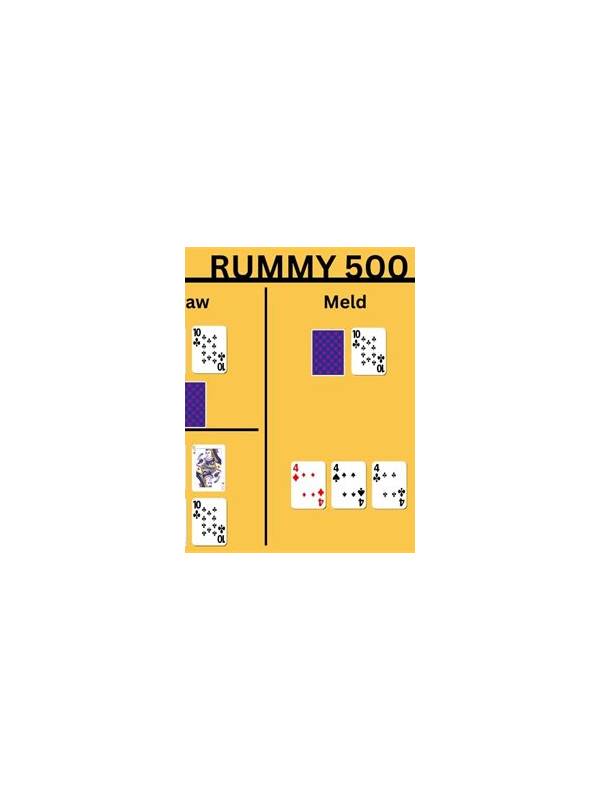
Rummy FAQ: Why Did an Opponent Pick Your Discard?
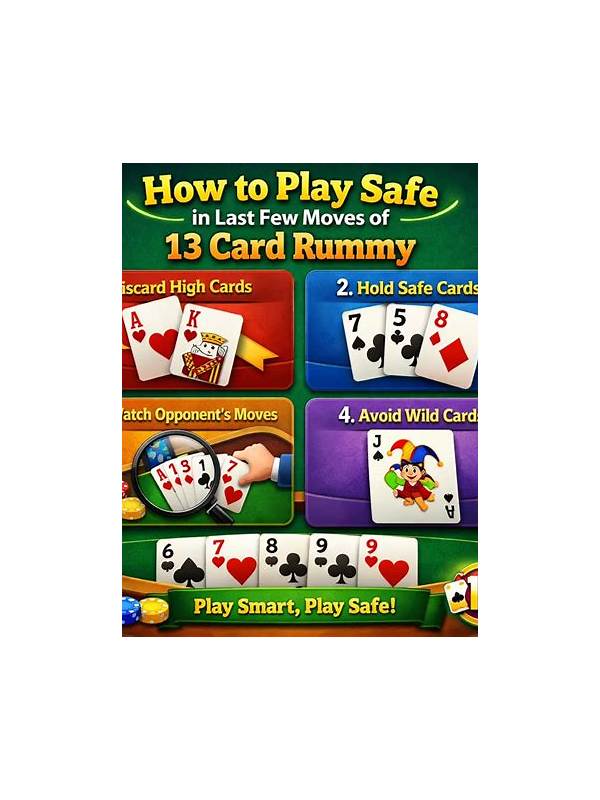
When an opponent picks up your discard, it is natural to assume you gave them exactly what they needed. Sometimes that is true, but the pickup alone does not reveal the whole plan. They may need the card immediately, be testing a flexible route, or prefer it to an unknown draw. Treat the event as information rather than proof of a mistake.
First, review why you discarded the card. Was it isolated in your hand? Did it carry a high penalty? Did you choose it because it had fewer future connections than the alternatives? If the decision was supported by your own hand structure, the opponent’s pickup does not automatically make it wrong. A good discard can still help another player occasionally.
Next, examine the surrounding cards they have released. If your card connects closely with their recent discards, they may be forming a sequence. If it matches a visible pair or an established group, a set is possible. Keep both ideas tentative. The opponent could have changed plans, and the same card may serve different purposes in different hands.
Use the new information on your next turn. Avoid feeding nearby cards without considering the pattern, but do not panic and discard an unrelated high card merely to avoid helping them. Your priority remains building a valid, efficient hand. A defensive choice is worthwhile when it also makes sense for your own structure.
At review time, compare the discard with the alternatives you held. Would another card have preserved similar flexibility with less information exposure? If yes, note the adjustment. If no, record that the pickup was an unavoidable risk accepted for a stronger hand. This distinction prevents hindsight from turning every opponent success into a personal error.
Rummy is an exchange of incomplete information. An opponent’s pickup should make you more observant, not more certain. Watch the next few turns, update your estimate, and keep your own plan grounded in cards you can actually use.
Also remember that the pickup may tell you more about the opponent’s immediate need than about their final arrangement. They could later discard the same card after discovering a better route. Do not reveal unnecessary information in response by changing your pace or chatting about the choice. Quiet observation gives you time to compare the pickup with later cards and make a decision based on a larger sample. Use evidence carefully and keep conclusions proportional to what you saw.
Related Post
Rummy Safety: Recognize Impersonation and Support Scams
A few verification habits can help players avoid fake support messages and requests for sensitive [...]
Rummy Tips: Avoid Sunk-Card Thinking
Cards already held do not deserve protection merely because time and attention have been invested [...]