Rummy FAQ: Does a Quick Win Prove a Strategy Works?
A quick win can feel like strong evidence. It may show that your choices fit the deal, but one outcome cannot distinguish skill from favorable cards or an opponent’s mistake. Treat the win as a useful example, not a guarantee that the same line will work next time.
Review the information available before the result was known. Did you identify a required combination? Did you compare realistic completion routes? Did you protect points when the plan changed? These process questions are more reliable than the fact that the declaration succeeded. A risky decision can win and still be worth examining.
Look for alternatives. If another discard would also have produced a legal hand, your chosen move may not have been uniquely correct. That does not make it wrong; it shows that several paths were available. If the win depended on one exact draw, mark the line as narrow even if it was satisfying.
Avoid increasing stakes immediately after a win. Confidence can be as distorting as frustration. Keep the stop time and spending limit that you set before play. If you want to test the strategy, do so in several low-pressure hands and track decisions rather than just results.
Over time, a larger sample can reveal habits, though it still cannot remove chance. Use notes to improve how you evaluate hands, not to create a promise about future outcomes. Follow the format’s rules, keep participation lawful and affordable, and remember that a calm stopping decision remains valuable after a win.
Test a strategy by recording the decision before seeing the result. Write down the candidate you rejected, the route you chose, and the reason. Later, compare the result with the original information. This guards against hindsight, where a card that appeared afterward makes an earlier alternative seem obvious. Track unsuccessful hands too; a process that survives disappointing outcomes is more informative than one that looks good only when the draw cooperates. Avoid changing several rules at once, because you will not know which adjustment mattered. Practice one narrow idea for a modest number of hands, then review. This is learning, not a promise of improved financial return. Test a strategy by recording the decision before seeing the result. Write down the candidate you rejected, the route you chose, and the reason. Later, compare the result with the original information. This guards against hindsight, where a card that appeared afterward makes an earlier alternative seem obvious. Track unsuccessful hands too; a process that survives disappointing outcomes is more informative than one that looks good only when the draw cooperates. Avoid changing several rules at once, because you will not know which adjustment mattered. Practice one narrow idea for a modest number of hands, then review. This is learning, not a promise of improved financial return.
The same review protects against overconfidence after a winning streak.
Related Post
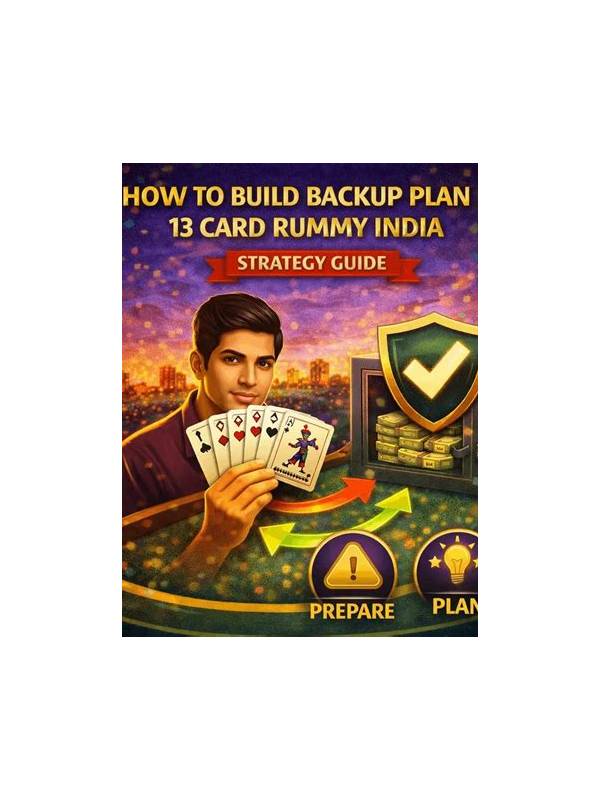
Rummy Tips: Make a Backup Arrangement Early
Keep one secondary route visible so a failed primary plan does not leave the hand [...]
Rummy Guide: Separate Useful Pairs From Decorative Pairs
A pair is valuable only when its likely extensions fit the rest of your hand. [...]