Rummy Comparison: Holding Information Versus Reducing Points
Some cards are valuable because they connect to several plans. Others are useful mainly because they reveal something about the table when opponents take or reject them. Comparing these roles requires care: information has value, but points are concrete exposure if the hand ends unexpectedly.
First, check whether the card has a direct role in your own hand. A card that supports a pure sequence or a broad candidate usually deserves more attention than a card kept only to observe reactions. Your combination requirements should normally come before speculative table reading.
If two candidates are close, consider the information role as a tie-breaker. A card that opponents repeatedly avoid may be less useful to them, but that evidence is incomplete. A card they eagerly take may be dangerous to discard again, yet it may also be exactly what your own hand needs. Information should adjust a close decision, not overturn a clear one without a reason.
Then compare point exposure. High cards kept for uncertain information become expensive if an opponent declares. Low cards may be safer to hold while you observe, provided they do not block a stronger route. Set a review point so observation does not turn into passive waiting.
After the hand, ask whether the information changed a decision. If not, the card may have been a distraction rather than an asset. Practice the comparison without meaningful stakes, accept that hidden cards remain unknown, and use responsible limits whenever the format involves money.
Test this comparison by writing down the card’s role before the next draw. Label it as combination value, information value, point safety, or some mixture. After the draw, check which role actually mattered. This exposes cards kept for vague reasons and prevents overreacting to an opponent’s pickup when the card is central to your own hand. If information is useful, use it to narrow a close choice and then return to your requirements. If it is uncertain, treat it as background rather than a command. Good table awareness is quiet and revisable. It should make decisions clearer, not make every discard feel like a hidden test. Test this comparison by writing down the card’s role before the next draw. Label it as combination value, information value, point safety, or some mixture. After the draw, check which role actually mattered. This exposes cards kept for vague reasons and prevents overreacting to an opponent’s pickup when the card is central to your own hand. If information is useful, use it to narrow a close choice and then return to your requirements. If it is uncertain, treat it as background rather than a command. Good table awareness is quiet and revisable. It should make decisions clearer, not make every discard feel like a hidden test.
When the roles conflict, protect the requirement and point limit before pursuing extra information.
Related Post
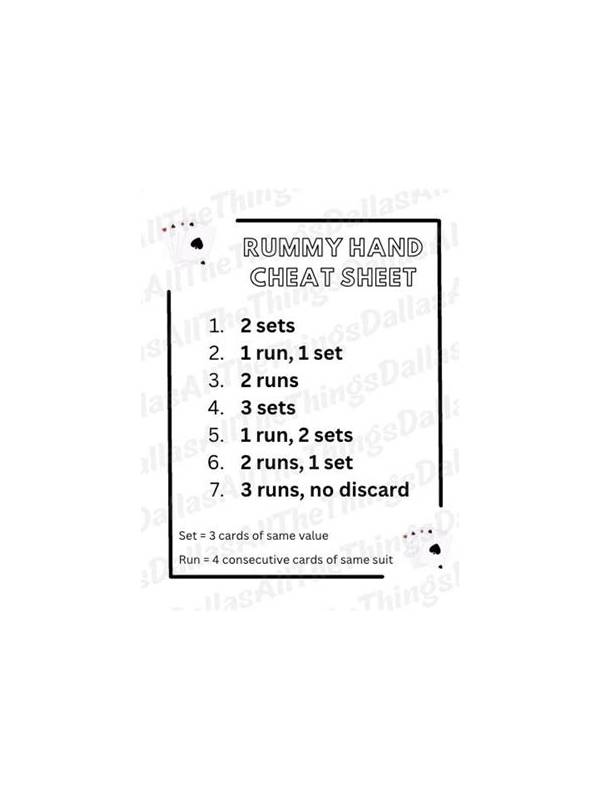
Rummy Guide to Reading a Hand by Its Tightest Constraint
Find the hardest-to-satisfy requirement in your hand before choosing a draw or discard. [...]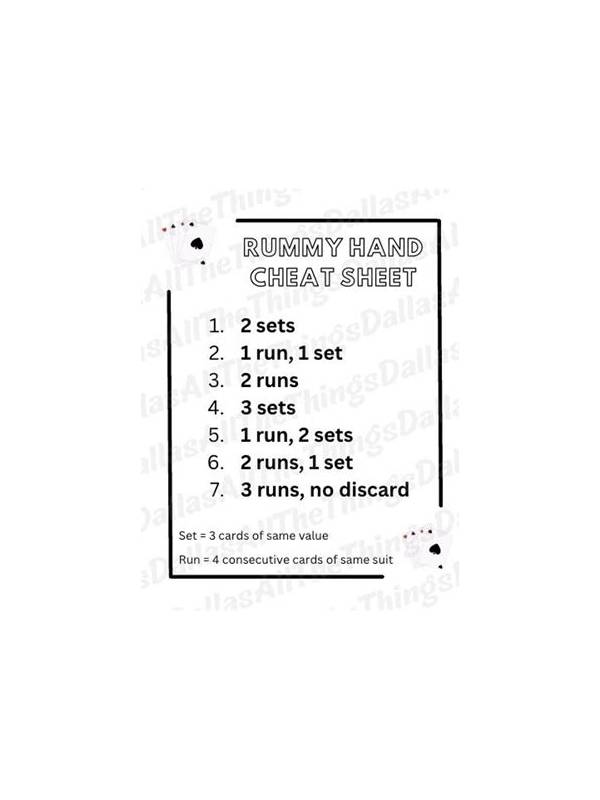
Rummy Guide: Treat Card Order as a Visual Tool
Consistent visual grouping makes sequences, sets, singletons, and mistaken assumptions easier to spot. [...]