Rummy Comparison: Immediate Meld or Delayed Meld?
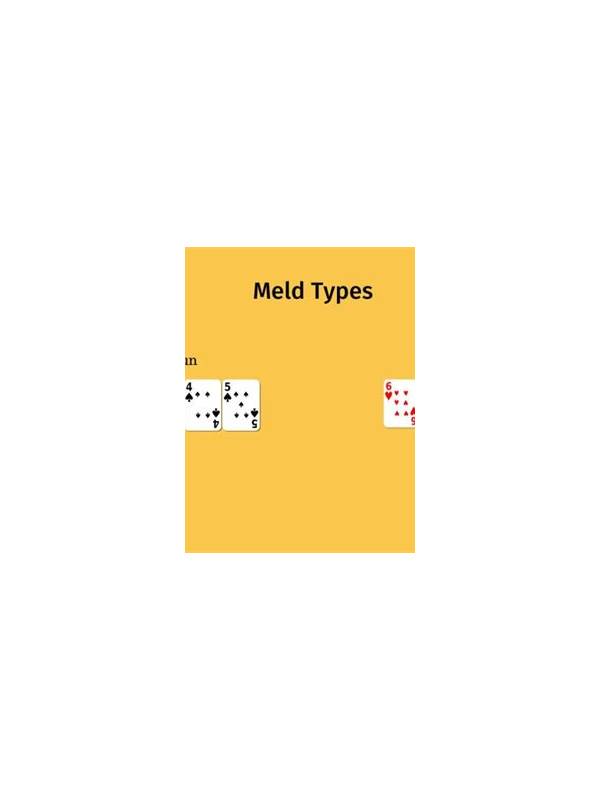
An immediate meld is a valid group you can form now. A delayed meld is a promising group that still needs one or more cards. The immediate option feels safer because it creates visible structure, but forming it is not automatically correct. Compare what each choice does to the entire hand.
First, check whether the immediate meld satisfies an important requirement. In variants that require a pure sequence, an ordinary set may improve appearance without solving the main problem. Confirm the rules and identify the group that is genuinely necessary. A finished group that does not advance that requirement may still help, but its priority should be explicit.
Next, measure flexibility. If forming the immediate meld uses a card that connects two unfinished groups, it may reduce future options. If the delayed meld has several realistic completion cards and leaves the rest of the hand tidy, waiting can be reasonable. If it depends on one narrow card, the immediate group may be the better anchor.
Consider exposure and timing. A public meld can reveal information and may change how opponents interpret your discards. In online play, the interface may expose groups differently from a home game. Near the end of a hand, a completed group may reduce risk even if it is not the most elegant route. Early in a hand, preserving options can be worth more.
Use a two-column comparison: “what improves now” and “what remains unresolved.” Write the likely discard after each plan. This exposes a common error: celebrating the immediate meld while ignoring the expensive card left behind. Also identify the point at which the delayed plan must be abandoned. Waiting without a switch point is not strategy; it is attachment.
The best choice is the one that leaves a valid and manageable hand under the current rules. Immediate completion, future flexibility, point exposure, and time remaining all matter. Compare them briefly, choose a route, and revisit it when new information arrives. A meld is a tool for organizing the hand, not a trophy that must be taken the moment it becomes available.
If the comparison remains tied, prefer the plan you can verify more easily on the next turn. A clear route lowers mental load and gives you a better basis for updating when the table reveals new information. Do not treat delayed melds as automatically clever. Waiting is worthwhile only when it preserves a realistic improvement and does not expose too much point risk. If the waiting plan has no clear review point, convert it into a simple experiment with a stated limit.
Related Post

Rummy Practice: Predict the Next Useful Card
Predicting useful cards in a practice hand improves planning while teaching the limits of uncertain [...]
Rummy Tips: Treat the First Draw as an Information Update
Use the opening draw to revise your plan instead of forcing it into the shape [...]