Rummy Scoreboard Reading: Separate Rank From Momentum
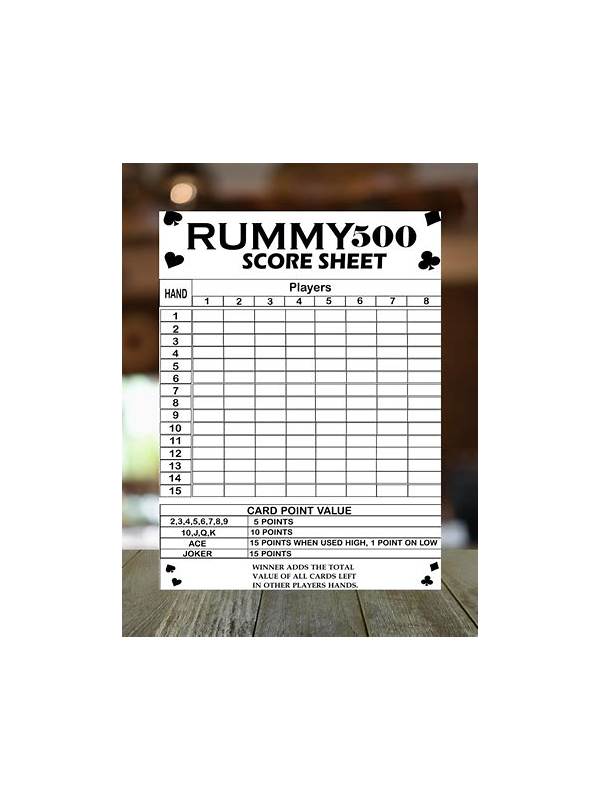
A scoreboard can show points, round totals, or a current ranking, but it cannot predict the next hand. Players often mistake a temporary lead for proof that one person has control, or treat a low position as a reason to take unnecessary risks. Reading the board accurately means separating recorded results from emotional momentum.
Start by identifying what the numbers measure. Some formats reward a low cumulative score, while others reward points earned in a round. Check whether penalties, bonuses, or unfinished hands are included. If the display is unclear, consult the official rules before interpreting the ranking. A number without its scoring context can easily lead to the wrong conclusion.
Write down the current total and the change from the previous round, if the format provides it. This creates two different facts: standing and movement. A player can move up because others received penalties, not because the player made a stronger hand. Likewise, a short-term drop does not prove that the underlying decisions were poor.
Use the scoreboard to answer limited questions. Does the format require a conservative target? Is a tie possible? Is the next round independent, or does the position affect entry or turn order? Avoid using it to justify copying another player’s discard or changing a sound plan solely because the ranking feels urgent.
For personal review, record the score separately from your decision notes. First describe what you knew, what you chose, and what happened. Then add the points. This order prevents the result from rewriting your memory of the choice. If the same type of decision repeatedly creates large penalties, investigate the pattern; one disappointing total is not enough evidence.
Before the next hand, say a neutral sentence such as, “The board records the past rounds; this hand still needs a fresh plan.” That reminder keeps competition visible without allowing the scoreboard to become a source of pressure.
If the board shows only a rank and not the underlying totals, treat it as a rough display rather than a complete analysis. Ask for the scoring breakdown at the end of the round if the rules allow it. Never expose another player’s private account information while trying to investigate a ranking. Good scoreboard reading is accurate, limited, and respectful. Do not compare a scoreboard from one format with a scoreboard from another. Different targets, penalties, and round lengths make raw totals incomparable. If you keep personal records, label the variant and date beside each result. That small habit stops a dramatic-looking number from becoming a misleading story about progress or ability.
Related Post

Rummy Guide: Track Dead Cards Without Guessing
A lightweight dead-card record shows which combinations have lost routes while keeping your attention on [...]
How Turn Order Changes an Indian Rummy Decision
Turn order changes the information available to a player, so each draw should be judged [...]