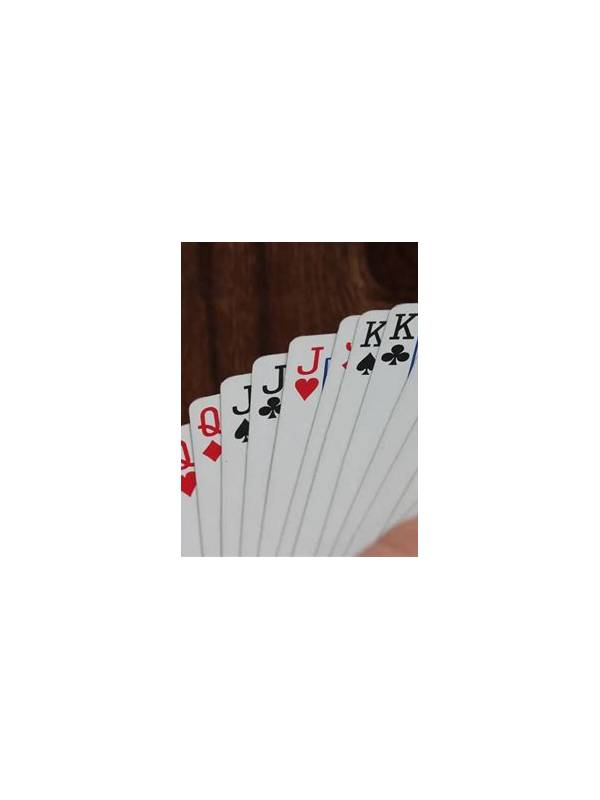
Rummy Guide: Keep a Decision Journal Without Recording Everything
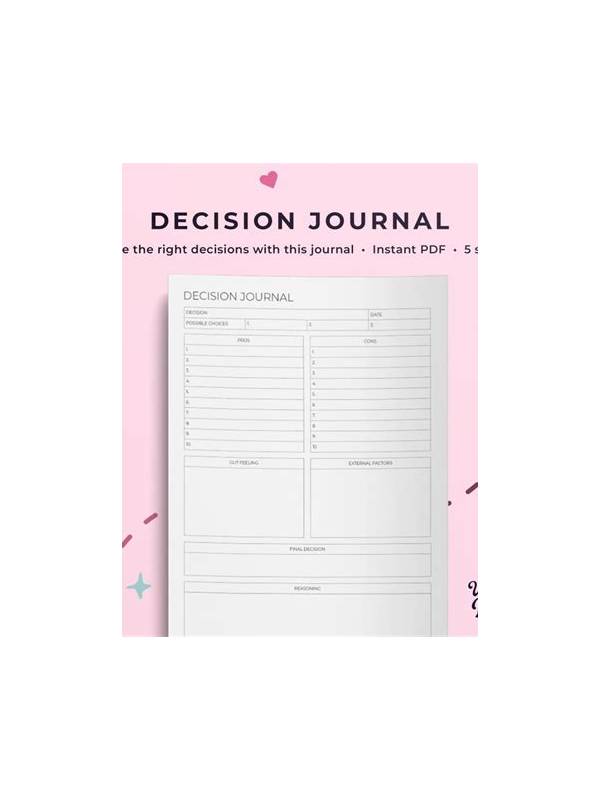
A decision journal is most useful when you will actually keep it. You do not need to record every card, every turn, or every opponent action. A compact journal can capture the decisions that teach you something and reveal patterns that memory tends to blur.
Begin with one entry per hand. Write the hand format, your main plan, and the first decision you felt uncertain about. After the hand, record what changed your plan and whether you had a clear reason for the final discard. Keep the language factual: “I held the pair for six turns while its only connector was already visible,” is more useful than “I played badly.”
Add a confidence label to each important decision: clear, reasonable, or uncertain. A clear decision follows a rule requirement or removes a plainly stranded card. A reasonable decision has two defensible options. An uncertain decision depends on a narrow assumption or incomplete information. This label separates decision quality from outcome. A reasonable move can lose, and an uncertain move can get lucky.
Review the journal after several hands, not after every result. Look for repeated behaviors. Do you keep high cards because they might form a set? Do you change plans too quickly after one blank draw? Do you forget to check whether a required sequence is complete? Choose one pattern for the next session and create a small reminder, such as “deadline for exact-card plans.”
Avoid turning the journal into a record of blame. Its purpose is to improve the next decision, not to punish the previous one. If an entry contains only criticism, rewrite it as a testable adjustment. For example, replace “I panic near the end” with “At the final review, list legal requirements before choosing a discard.”
Keep the journal private if the game involves financial decisions or personal account information. Do not write passwords, payment details, or identifying data. A notebook or secure local note should contain strategy observations only. Over time, a small, consistent record will provide better feedback than a large archive that you never revisit.
Use a fixed template to reduce friction: plan, uncertain decision, evidence available, result, next experiment. Five short lines are enough. If a hand contains no useful lesson, write “no review point” and move on. The journal should support play, not replace it. Its greatest value appears when a recurring note leads to one specific change that you can test in the next session.
Review entries for process rather than score. If a decision had a clear reason and matched the information available, mark it as useful even when the result was poor. This keeps the journal from rewarding luck and helps you build habits that remain valuable across different hands and formats.
Related Post

Rummy Strategy: Give Each Incomplete Group a Deadline
A deadline keeps an attractive but stagnant group from consuming the whole hand and blocking [...]
Rummy Practice: Spot the Strongest Card in a Weak Hand
This practice drill teaches you to find useful flexibility even when a starting hand has [...]