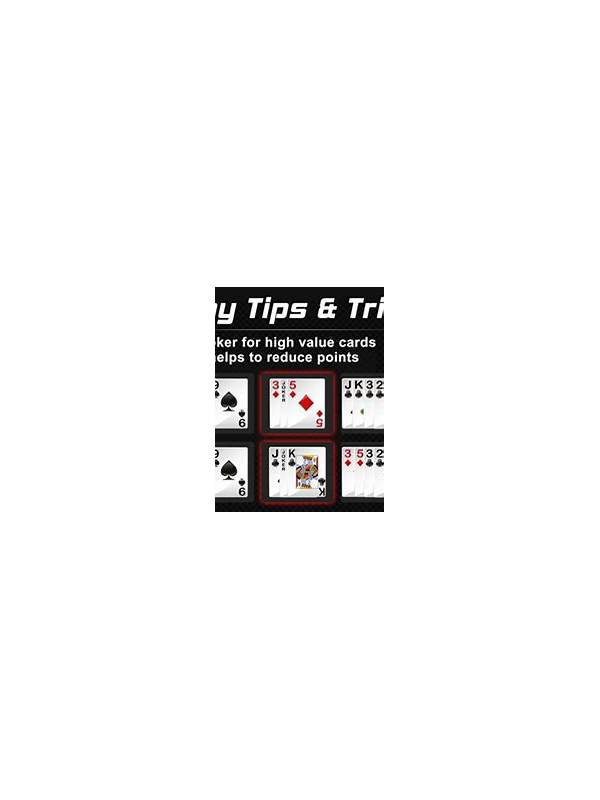
Rummy FAQ: Can a Good Layout Hide a Bad Plan?
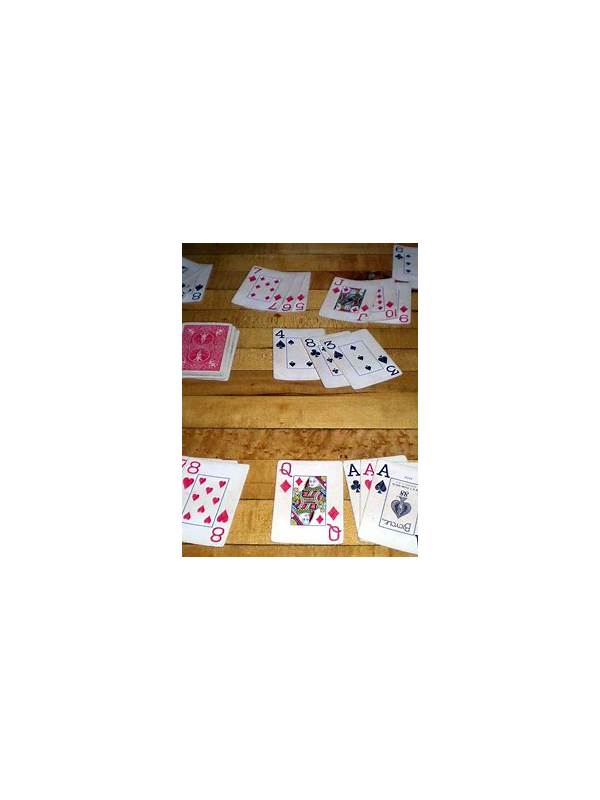
Yes. A tidy hand can hide a weak plan because grouped cards look purposeful even when the required connectors are unlikely or unavailable. Layout is a tool for seeing decisions, not proof that the decisions are sound.
The first warning sign is a group held together by intention alone. You may place three cards in a row and mentally reserve a missing card, even though several turns have passed without support. The visual shape then encourages you to protect the group. Ask what exact card would improve it and whether there is a second route if that card does not arrive.
The second warning sign is a layout with no discard area. If every card belongs to a named group, the plan may be refusing to admit that one group is weak. Keep an explicit section for uncommitted or expendable cards. A hand that has no possible discard is often not organized; it is overcommitted.
The third warning sign is excessive rearranging. Moving cards repeatedly can create the feeling of progress while consuming attention. After each rearrangement, identify the legal requirement, the strongest group, and the weakest group. If those answers have not changed, the layout change may be cosmetic.
To test a layout, deliberately sort the hand in a different way. Use suits, ranks, or confirmed-versus-unconfirmed groups. If the same narrow plan remains convincing under every layout, it may have good evidence. If its appeal disappears when the cards are arranged differently, treat it as a visual bias and review the plan.
Good organization should make uncertainty visible. It should show which cards are confirmed, which are flexible, and which are waiting on one idea. Review the layout whenever a draw fails to help or when you cannot name a sensible discard. A neat hand is valuable only when it leads to clearer decisions and remains honest about what is still unknown.
One practical test is to name the required condition, the confirmed groups, and the card you would release. If you cannot do so, the arrangement may be too complicated or persuasive. Re-sort once, simplify the groups, and continue. Good layout lowers mental effort; it should never require a long explanation to defend why every card is being held.
A good layout also helps with review after the hand. Take a screenshot or recreate the arrangement only if doing so protects personal information, then compare the visual plan with the decisions you actually made. Note where the layout helped and where it encouraged you to keep a weak group. Change one feature at a time.
Related Post
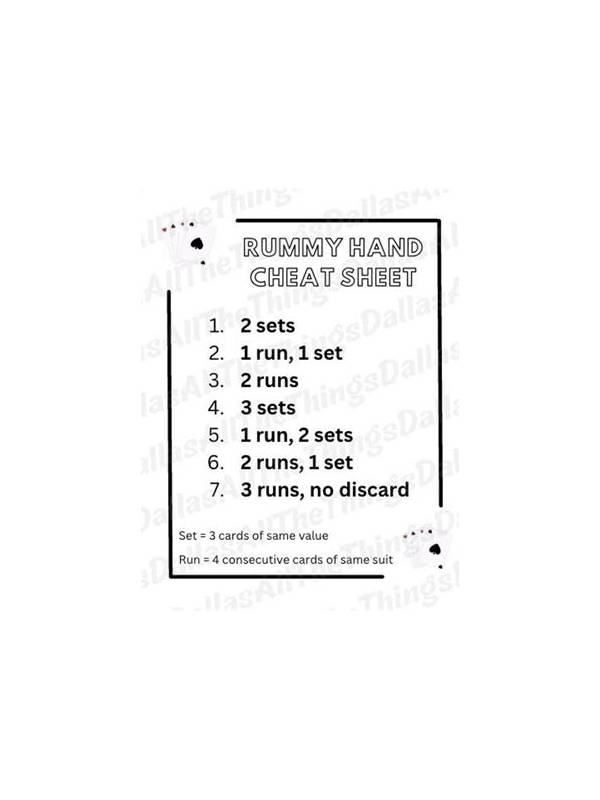
Rummy How-To: Review a Hand With Color-Blind-Friendly Symbols
Simple symbols and text labels can make rummy hand review clearer when color alone is [...]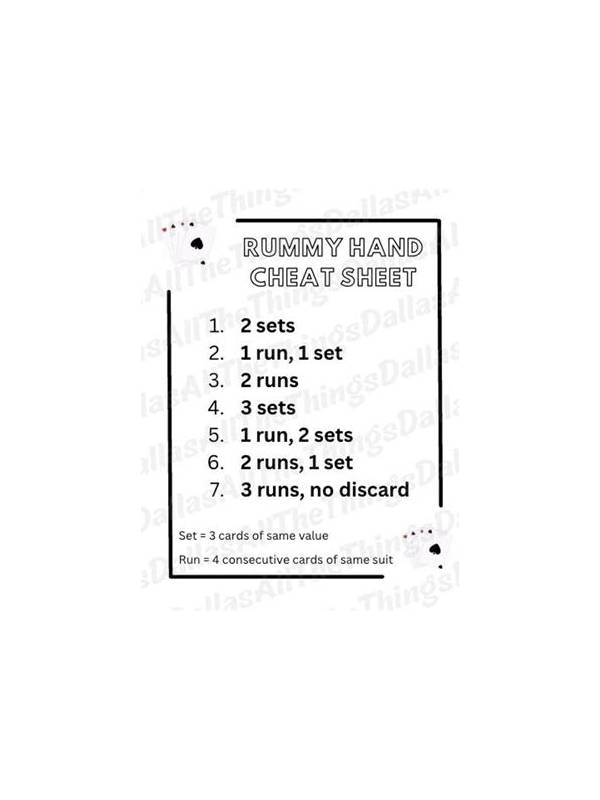
Rummy Guide: Build a Hand From the Safest Anchor
Learn how to choose one dependable card connection and let it guide a clearer rummy [...]