Rummy Guide: Read a New Table Before Choosing a Plan

Every table has context beyond the cards in your hand. The format, scoring, turn timer, and interface can change which decisions are practical. A short scan before play reduces avoidable mistakes and gives you a stable starting plan.
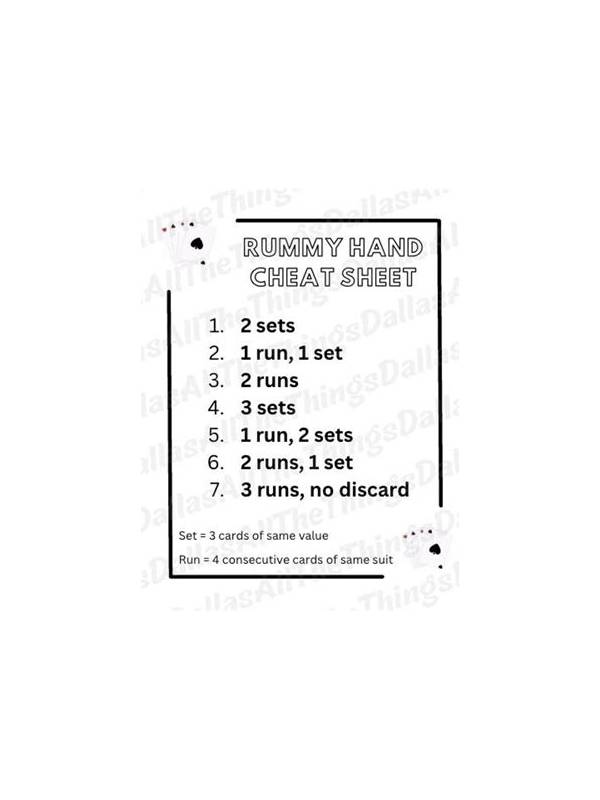
Read the rules shown for the table, even if the variant is familiar. Check the required group structure, joker treatment, scoring method, and declaration process. Different platforms may use similar names for different formats. If a rule is unclear, use a practice mode or official help page before risking a paid entry.
Observe the pace. A fast timer may require you to sort your hand immediately and use a simple priority order. A slower table gives more room for comparison, but it can also make overthinking tempting. Notice whether the discard pile is easy to read, whether cards are automatically arranged, and whether the interface confirms important actions.
Look at the public information available. Can you see only the top discard, a history of several discards, or additional table indicators? Do not assume information exists because another application provides it. Your plan should match what you can actually observe. If the table is visually crowded, adjust the display or reduce distractions before starting.
Set a personal objective for the first few hands. You might focus on understanding the scoring or practicing a conservative discard routine rather than trying to maximize every result. A learning objective gives you something useful to evaluate when the outcomes are noisy.
Also check your practical boundaries. Confirm the session length, spending limit, and stopping point before the first deal. If the table has social chat, decide how much attention you can give it without losing track of your hand. You can mute nonessential notifications and leave if the environment becomes uncomfortable.
Once play begins, update your view when new evidence arrives. The initial plan is a starting hypothesis, not a promise. A good table read makes adaptation easier because you know which assumptions were based on rules and which were based on guesswork.
If you join a table after a hand has started, wait for the next complete deal when possible. Entering midstream can make visible discards difficult to interpret and may leave you unsure about the scoring state. A clean start gives observations a reliable reference point.
Related Post
Rummy Table Selection: Matching Session Length to Your Available Time
Choose a table and format that fit your available time so you can finish without [...]
Rummy How-To: Review the Cost of a Missed Discard
A missed discard review reveals whether a delayed release caused real damage or only felt [...]