Managing Distractions During a Rummy Session
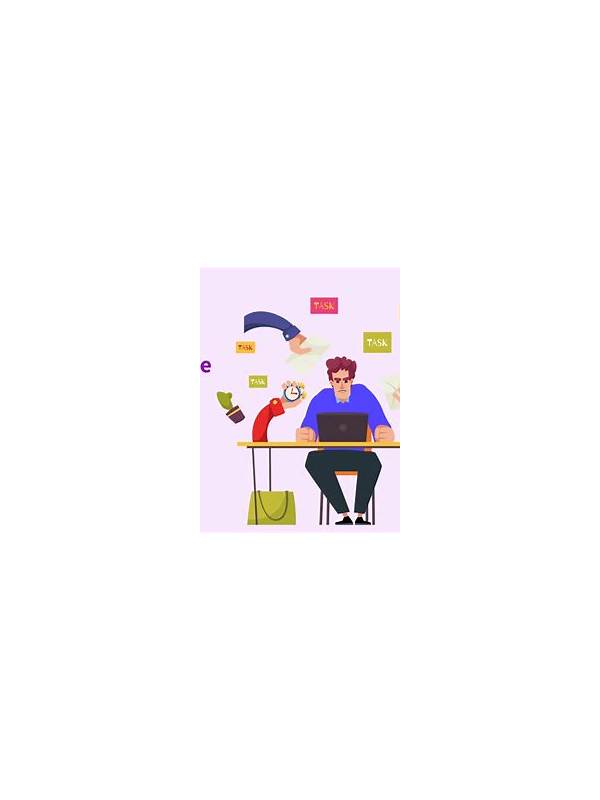
Rummy rewards attention to small changes: a discarded rank, a new connection, or a shrinking path to a declaration. Notifications and multitasking make those details harder to track, so managing the environment is part of sound play.
Start by choosing a place where you can stop without inconvenience. Put the phone on a stable surface, silence nonessential alerts, and close unrelated applications. If you are waiting for an important call, caring for someone, or moving between tasks, postpone the session. Splitting attention can turn a manageable hand into a series of automatic taps.
Keep a simple visual layout. Use the application’s sorting feature if it is reliable, then group cards consistently by suit and potential sequence. Avoid repeatedly changing the arrangement for appearance. A stable layout makes it easier to notice what changed after each draw and reduces the chance of discarding the wrong card.
Take scheduled pauses between hands rather than during a timed turn. Stand up, drink water, and check whether you are still following your money and time limits. If you feel irritated, unusually excited, or determined to recover a loss, treat that feeling as a signal to stop. Continuing while distracted is rarely a good test of strategy.
Protect privacy too. Do not let other people see passwords, one-time codes, payment screens, or identity documents. Avoid screen-sharing while an account or wallet is open. A quiet setting should support both concentration and account safety.
After the session, note whether the environment helped. If you missed turns because of messages, choose a different time. If fatigue caused rushed decisions, shorten the next session. The strongest distraction plan is the one you can repeat comfortably. It should make stopping easy, because a calm exit is as important as a focused start.
Consider an attention check before joining: can you name the table format, your stop time, and the process goal for the session? If not, wait a few minutes or choose another activity. This tiny test catches many situations where the problem is not the hand but the player’s available attention.
Physical comfort matters as well. Adjust brightness, keep the screen clean, and sit in a position that does not encourage hurried movement. These changes are ordinary, but fewer physical interruptions make it easier to notice a new card and verify a discard before confirming it.
Related Post
Rummy Table Layout: Why Consistent Organization Helps
A consistent card layout reduces visual searching and makes hand verification easier during online rummy. [...]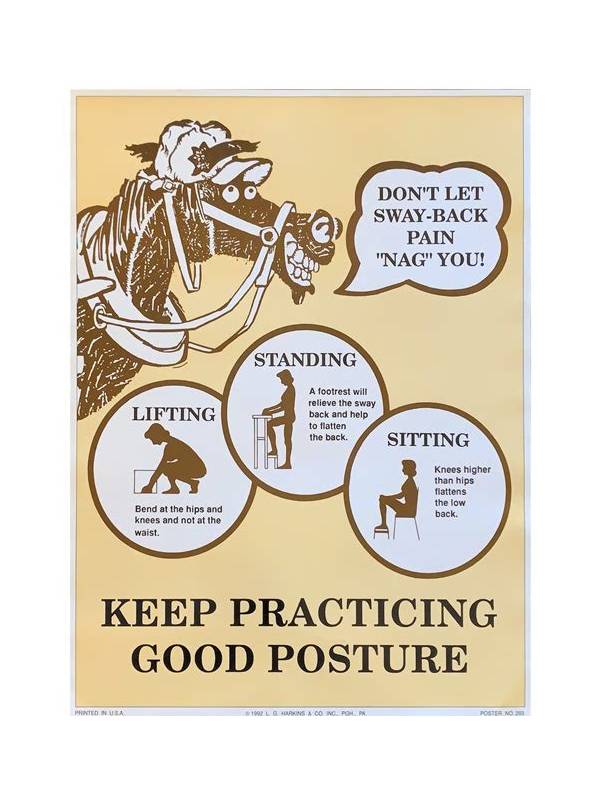
Rummy Safety: Keep Your Playing Posture Sustainable
Comfortable posture and planned visual breaks help keep a rummy session from becoming a physical [...]