Rummy Tips for Reading the Discard Pile Without Guessing
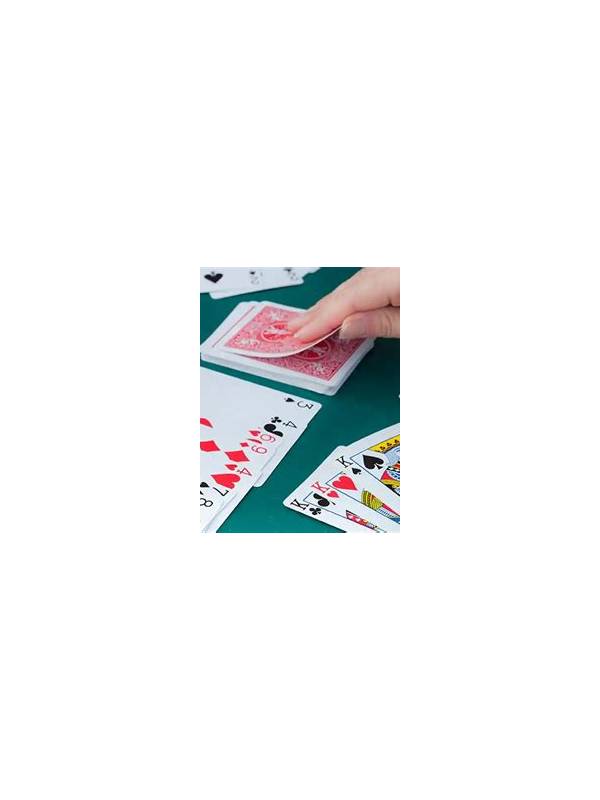
The discard pile is one of the richest sources of information in rummy, but it is easy to read too much into it. A single discarded card rarely explains an opponent’s full plan. Better decisions come from collecting small, repeated signals and keeping uncertainty visible.
First, notice cards that have been ignored. If a player repeatedly passes on cards from one suit, that suit may be less useful to them. Yet the reason could also be timing: the player may already have a nearly finished arrangement and no room for a new card. Record the pattern, but keep both explanations available.
Next, watch pickups as well as discards. Taking a card from the pile is stronger evidence than leaving one there. Even then, it reveals interest rather than completion. A player may pick up a five because it connects to a sequence, completes a set, or is being held temporarily while another card is released.
Use the pile to protect your own discards. Before throwing a card, scan recent pickups. If an opponent has collected nearby ranks in the same suit, avoid offering the missing link unless you have no safer option. You do not need to identify their entire hand; preventing one obvious improvement is enough.
Avoid counting every card as if the deck were fully known. In many formats, multiple packs or jokers can change the calculation. Even with one pack, you may not know whether a card is in the stock, an opponent’s hand, or simply outside the current deal. Say “less likely” rather than “impossible.”
At the end of each turn, ask three questions: What was taken? What was released? Which of my cards would give the opponent a clear connection? This short review keeps attention on actionable information. It also prevents the common mistake of inventing a detailed opponent profile from one surprising discard.
The discard pile is most useful when it improves your next choice, not when it entertains a theory. Combine it with your hand structure, the game format, and the score position. When the clues conflict, choose the line that remains safe under more than one explanation.
Remember that players also make mistakes. A rushed discard, a missed pickup, or a card held for emotional reasons can create noise in the pile. Strong reading does not require pretending that every action is optimal. It requires adjusting confidence when evidence repeats. The most useful question is not “What must this player have?” but “Which of my available choices becomes safer if this clue is true?” That question turns observation into a practical decision.
Related Post
Rummy Comparison: Local Improvement Versus Whole-Hand Improvement
Completing one small group is not always better than making the entire hand easier to [...]
Rummy FAQ: Why Does a Good Opening Still Need a Plan?
A promising opening reduces uncertainty but does not remove the need to manage draws, discards, [...]