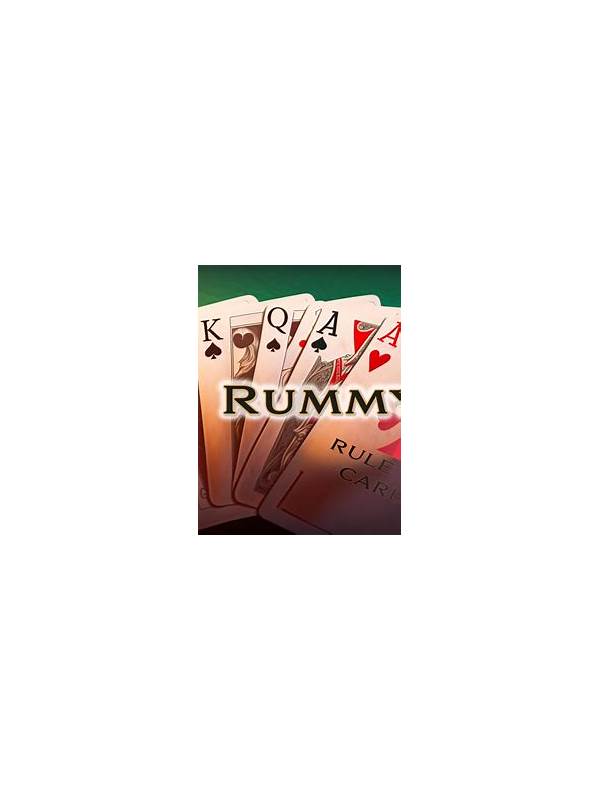
Rummy First-Move Planning: Build a Useful Opening Routine
The first few turns of a rummy hand can feel unusually important. You have limited information, several possible combinations, and no reliable reason to believe that the next card will solve everything. A useful opening routine keeps the early game practical. It does not promise a winning hand; it simply helps you make decisions that preserve options.
Begin by sorting your cards in a consistent way. Group cards by suit first, then place nearby ranks together. This makes natural runs easier to see and prevents a promising combination from being hidden among unrelated cards. If your app offers automatic sorting, check the result rather than trusting it blindly. You should still understand which cards are connected and which are isolated.
Next, identify your most convincing group. It might be a natural run, a pair that could become a set, or a card that connects two possible sequences. Do not label every pair as a plan. A plan should have at least one realistic improvement path. If a group needs several specific cards, treat it as a possibility rather than an anchor.
Then mark cards that are expensive and difficult to connect. High cards with no neighbors often deserve early attention, especially when they are not supported by a set opportunity. Low cards can also be awkward when their suit has no nearby ranks. The purpose is not to discard the highest point automatically. It is to notice which cards could remain stranded.
Before choosing a discard, ask what flexibility it removes. A discard that clears one isolated card may also eliminate the only bridge between two groups. Compare that cost with the benefit of reducing points or improving the shape of your hand. When two discards look similar, prefer the one that leaves more ordinary draws useful.
Finish the opening routine by setting a review point. After the next draw, reassess the hand instead of following the first plan mechanically. A new card can change which group deserves protection. This short pause prevents early guesses from becoming stubborn commitments.
An opening routine works because it turns a vague first move into a repeatable check: sort, find the strongest group, locate difficult cards, compare flexibility, and review after the next draw. With practice, the process becomes quick enough to use without slowing the game.
Keep the routine neutral. You are not trying to force a sequence simply because it was the first pattern you noticed. You are creating a clear starting picture that can be updated when new evidence arrives. That balance between structure and flexibility is the real purpose of the opening check.
Related Post
Rummy Guide: Set a Clear Stop Point for Each Session
Plan a stopping rule in advance so a rummy session ends by choice rather than [...]
Rummy FAQ: What Should You Do When the Stock Runs Low?
Adjust your rummy plan when fewer unknown draws remain and the hand’s deadline becomes more [...]