Rummy Guide: Use Opponent Discard Timing as Context
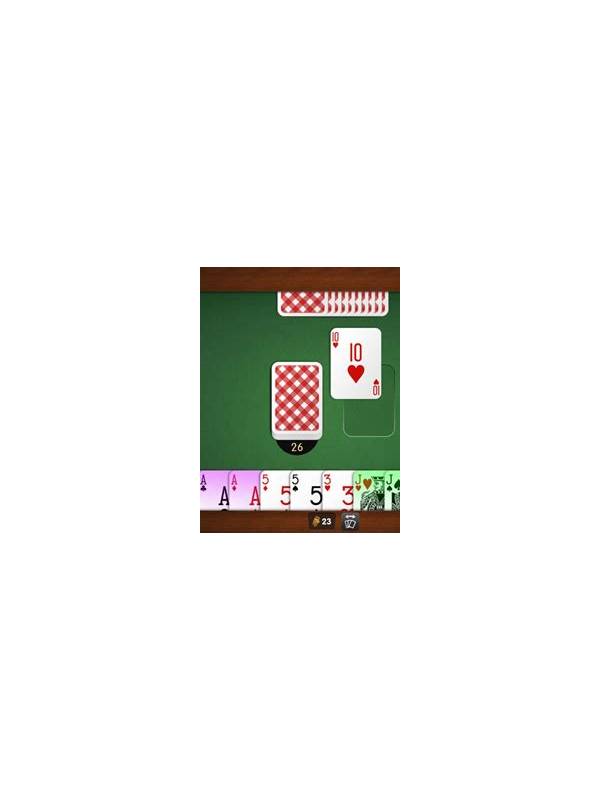
Opponent timing can be informative because a discard follows a choice. A quick discard may reflect a routine action, while a pause may signal uncertainty. Neither observation reveals the exact hand. Use timing as a small clue that supports visible evidence rather than as a prediction engine.
Start with the card itself. Ask what the discard makes possible for you and whether it connects to cards already visible. Then consider timing: did the player pause after drawing from the pile, or discard immediately after receiving a known card? These details may help you understand whether the card was likely a spare, but they remain uncertain.
Avoid reading too much into one event. A delay can come from a slow connection, a distraction, or a rules question. A rapid action can be a deliberate choice or an automatic habit. Look for repeated patterns across several turns before allowing timing to influence a marginal decision, and even then keep the conclusion modest.
Your own hand should remain the priority. Do not keep a weak card solely because you imagine an opponent wants it. If the card has high repair cost and no useful structure, its value to your hand may be more important than speculative defense. Likewise, do not pick up a card just because its timing makes it seem significant.
When timing and card evidence disagree, trust the stronger evidence. A visible sequence opportunity is concrete; a pause is ambiguous. Record a brief observation after a practice hand and label it as fact or interpretation. “Player paused before discarding a seven” is a fact. “Player cannot use sevens” is an interpretation that may be wrong.
This distinction improves table awareness without encouraging overconfidence. Rummy rewards decisions made from available information, not stories that cannot be tested. Use timing to ask a better question, then answer that question with your hand’s structure, the rules, and the cards actually shown. One practical note is to watch your own timing as well. Deliberately varying pauses can make you less predictable, but performance should never become a distraction from legal play and sound hand management. You do not need to imitate an opponent or create elaborate signals. Keep your actions natural, follow the timer, and let timing remain secondary evidence. The strongest decision is still the one that protects your route while limiting avoidable risk. The aim is disciplined observation, not theatrical behavior or certainty about another player’s hidden cards.
Related Post

Rummy How-To: Create a Practice Hand From Realistic Constraints
Constraint-based practice makes card exercises more transferable to real hands and less dependent on ideal [...]
Rummy Tips: Use Suit Distribution to Break a Tie
Looking at suit distribution can provide a useful tie-break when several rummy cards have similar [...]