Rummy FAQ: Can the Discard Pile Reveal a False Pattern?
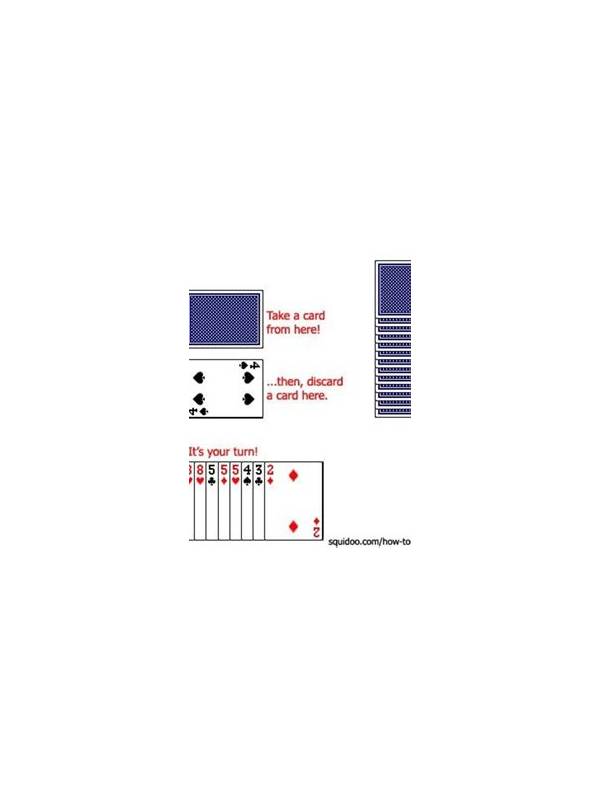
Yes. The discard pile can suggest a pattern that is not really there. Players naturally connect related cards, especially when two cards from the same rank or suit appear close together. That connection may be useful as a question, but it should not be treated as proof of an opponent’s hand.
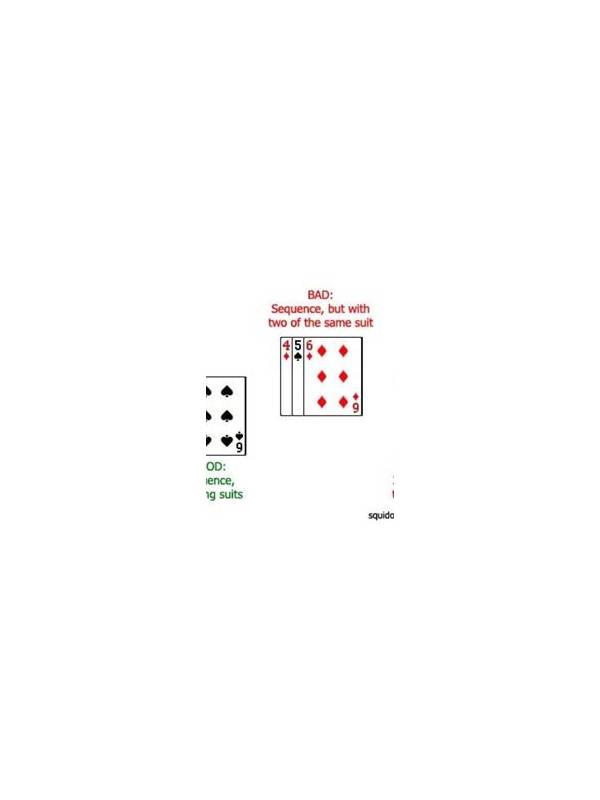
A false pattern usually begins with too little evidence. Suppose one player discards a five and later takes a six. It is tempting to assume a sequence is forming. Yet the six may have been useful for a different group, or the player may simply have chosen it because it was safer than the alternatives. A visible card tells you what happened, not the complete reason it happened.
Timing can also distort interpretation. A discard made early in a hand may have had several possible meanings. As the hand develops, those early choices often become less informative because new cards change the available routes. Recent actions deserve attention, but even recent actions should be read alongside the format, turn order, and cards already visible.
Use a three-level evidence test. First, mark a card as an observation: “the player picked a queen.” Second, list one or two plausible explanations, such as completing a pair or reducing points. Third, ask whether the explanation changes your own discard. If it does not, there is no reason to spend additional attention on it. If it does, choose a lower-risk response that remains sensible even if your interpretation is wrong.
Avoid counting every matching card as confirmation. Two connected discards may be coincidence, a defensive choice, or part of a route you cannot see. A stronger signal is repeated behavior that changes decisions across several turns, such as consistently taking one type of card while releasing another. Even then, keep the conclusion provisional.
The best use of the discard pile is comparative. Ask which candidate discard gives away less useful information, which visible card is safer to take, and whether your plan still works if the suspected pattern is false. This keeps public information in its proper role: a source of constraints and possibilities, not a guarantee. Clear decisions survive uncertain readings better than dramatic predictions.
One practical safeguard is to keep a confidence label beside any table reading: low, medium, or high. Most early patterns deserve low confidence. If your own decision would change only under a high-confidence reading, wait for stronger evidence rather than reacting to a story.
Related Post

Rummy FAQ: Why Does a Safe Discard Change?
A discard that looked harmless earlier can become risky as the hand, table information, and [...]
Rummy Safety: Keep a Clear Record of Deposits and Withdrawals
A simple transaction record can help online players spot errors, understand limits, and protect their [...]