Rummy Practice With a Standard Deck at Home
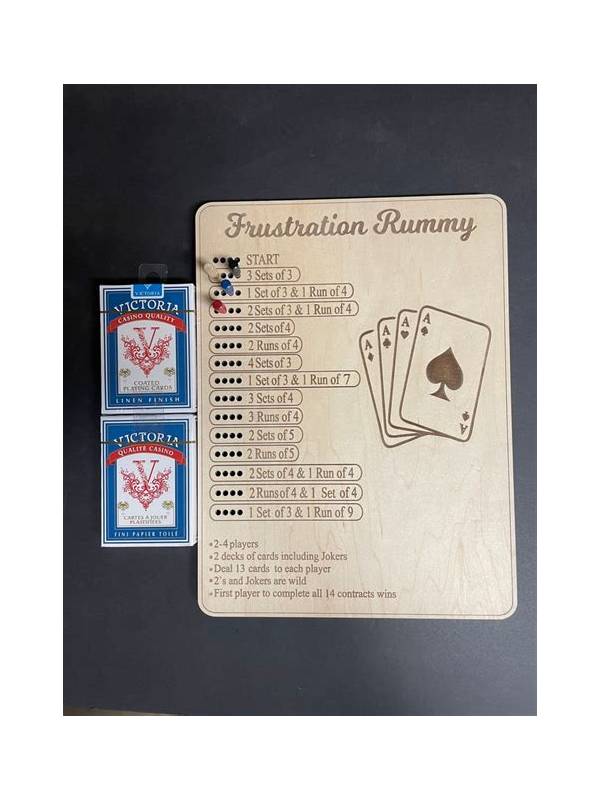
You can practice many rummy fundamentals with an ordinary deck of cards and no opponent. The purpose is not to reproduce every online rule, but to improve sorting, group recognition, and discard planning in a quiet setting.
Remove jokers at first and deal yourself thirteen cards, or use the hand size required by the format you are studying. Sort cards by suit, arrange ranks, and identify every natural sequence and set. Write down two possible arrangements before choosing one. This teaches you to see alternatives instead of accepting the first group that catches your eye.
For a second exercise, add the jokers used by your chosen rules. Deal another hand and place each joker beside the groups it could complete. Then select the use that creates the strongest legal structure. Check whether the arrangement still contains a pure sequence. Repeat with a different hand so you do not memorize one answer.
Discard drills are also useful. Deal a hand, choose one card to remove, and explain the choice using three criteria: point exposure, flexibility, and likely improvement. Replace the discarded card with a random draw and repeat for several turns. Do not peek at the future cards until the decision is made. This keeps the exercise focused on incomplete information.
You can simulate visible information by setting aside a small row of “seen” cards. Treat them as unavailable and rebuild your plan. This exercise shows how quickly a narrow sequence idea can weaken and why flexible cards have value.
Finish with a declaration check. Arrange a completed sample hand, then deliberately introduce one error: a wrong suit, a missing rank, or an overused joker. Run your checklist and identify the fault. Practicing error detection is as important as practicing winning arrangements.
Keep sessions short and focused on one skill. A ten-minute drill repeated regularly is more useful than a long session in which attention fades. When you return to an online table, the benefit should be calmer sorting and faster verification. The deck at home is a low-cost training tool, not a guarantee of results, so keep expectations realistic and play within your limits. n+To make the exercise repeatable, shuffle thoroughly between hands and use a timer only after the grouping process feels comfortable. Keep a record of the exercise type and one lesson, not a record of imagined winnings. You can also ask a friend to create a hand without showing you the next card, then compare your plan with an independent solution afterward. This adds variety while keeping the focus on reasoning, legality, and adaptability rather than on lucky deals.
Related Post
Rummy FAQ: When Should You Abandon a Nearly Complete Group?
A nearly complete group deserves review when its cost, timing, or available outs no longer [...]
How to Explain a Rummy Move Clearly
A short explanation framework can reveal whether a rummy decision is based on structure, risk, [...]