Rummy Tips: Mark Cards That Became Less Useful
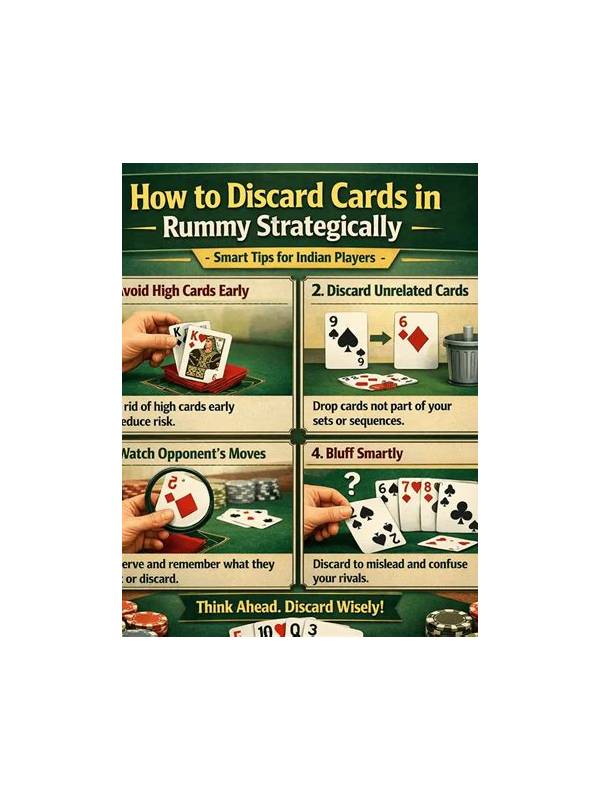
A card can be useful at one moment and awkward a few turns later. The change may happen because a needed neighbor was discarded, a better group appeared, or the hand moved into an endgame phase. Players often remember why they kept a card but forget to check whether that reason still applies. A small reassessment habit keeps the hand current.
After each draw, scan cards in three categories: confirmed, supported, and fading. Confirmed cards belong to a valid group that you still intend to preserve. Supported cards have more than one plausible route or a clear nearby connection. Fading cards once looked promising but now depend on a narrow assumption. This language is more useful than calling a card “good” or “bad.”
Look for specific signs of fading value. A connector may lose value when one of its neighbors becomes unavailable. A high card may become urgent when it has no pairing support. A duplicate may be less useful when keeping it blocks a requirement elsewhere. A card can also fade simply because your hand now has a stronger, more efficient route.
Do not discard every fading card immediately. First compare its exit cost with the cost of releasing another candidate. A fading card that carries many points may deserve priority, while a low-point card that preserves information may safely wait. Consider whether the card is visible to opponents, whether keeping it blocks your hand, and whether the next turn is likely to change its status.
A useful note is one short label beside the card or group: “confirmed,” “two routes,” “one neighbor,” or “reassess next turn.” The label is not a prediction. It is a reminder of the reason for keeping the card. When the reason disappears, the label prompts a fresh decision instead of an automatic hold.
Use this method in practice hands first. Pause after every draw, identify one card whose value rose and one whose value fell, then explain why in a sentence. With repetition, the scan becomes quick enough for live play. The benefit is not perfect evaluation; it is willingness to update. A changing hand rewards players who revise their reasons as readily as they revise their layout.
The same review can apply to groups, not only individual cards. A sequence that once anchored the hand may become less useful if preserving it costs several turns. Marking a fading group makes the change visible and prevents loyalty to an arrangement that no longer earns its space.
Related Post

Rummy How-To: Use a Card Budget for Each Unfinished Group
A card budget sets a practical limit on how much space and attention an unfinished [...]
Rummy Wallet Boundaries: A Practical Budgeting Checklist
Set clear spending boundaries before play so entertainment decisions remain separate from game results. [...]