Rummy How-To: Make a Rule-Change Note Between Formats
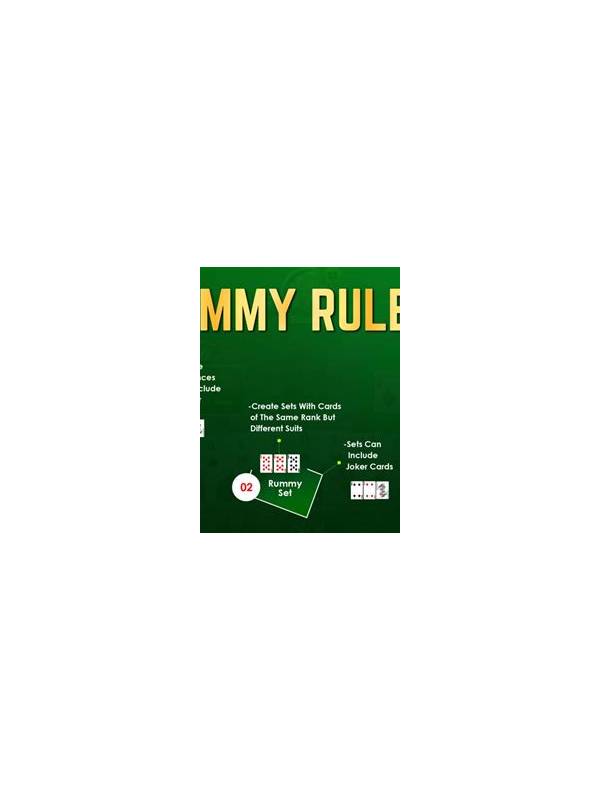
Switching from one rummy format to another can create errors even when the card mechanics look familiar. Points, pool, and deals formats may use related ideas but differ in scoring, round structure, or consequences. A rule-change note gives you a quick reset before joining a different table.
Make the note before play, using the official rule screen or table information as your source. Write the format name, the objective, and the condition for a valid declaration. Include the number of cards dealt if it differs, the role of jokers, and how an incomplete or invalid hand is scored. Do not rely on a remembered rule from another platform.
Next, list three strategic changes. In one format, reducing high-point cards may be urgent; in another, surviving several rounds may make flexibility more important. A deals format can reward consistency across hands, while a points format may put more attention on the current score. The note should identify the consequence without claiming that one approach always wins.
Add a “do not assume” section. It might say that a familiar button does not prove the same action, that a joker has the same value only if the rules say so, or that the discard timer works differently. This section is valuable because mistakes often come from automatic behavior rather than a lack of card knowledge.
Before the first draw, read the note once and check the live table’s rules. If anything conflicts, pause and resolve the conflict through the platform’s official help or support channel. Never infer a financial or eligibility rule from a player’s chat message. When money or personal information is involved, verify the exact condition before acting.
After the session, update only what you observed or confirmed. Record a confusing term, an unexpected scoring event, or a rule that affected your plan. Keep facts separate from opinions about which format felt easier. Over time, the note becomes a small personal reference card. Its purpose is to clear old assumptions from your mind so each format receives a fair, accurate reading.
Keep the note short enough to read before a table starts. If it becomes a complete rulebook, separate the detailed reference from the quick comparison. The quick section should answer only what changed and what behavior needs attention during this session.
Related Post
Rummy Safety: Keep Practice Stakes Clearly Separate From Play Money
Separating practice sessions from money-based play makes limits easier to understand and follow. [...]
Rummy Safety: Review App Access After Installation
Reviewing an app's requested permissions is a practical step before installing any rummy software on [...]