Rummy Tips: Review Missed Opportunities Without Replaying Every Turn

Post-game review is useful when it answers a specific question. It becomes tiring when a player replays every draw and imagines a perfect alternative for each turn. To learn efficiently, focus on the first decision that changed the hand’s direction and inspect the information available at that moment.
Begin with the outcome-free version of the hand. Ignore whether the round was won or lost and list the main phases: opening structure, first commitment, middle adjustment, and endgame. Mark the turn where your plan became narrower, where a requirement was endangered, or where a high-cost card remained without support. That turn is a review point, not necessarily an error.
Ask what you knew then. Write down the visible cards, your hand structure, the format requirement, and the alternatives you considered. Do not use information revealed later to judge an earlier choice. This prevents hindsight from making every unseen card look obvious. If the original choice was reasonable with the evidence available, record that even if the result was poor.
Next, name one missed opportunity. It might be a safer discard, an earlier reassessment, a clearer count, or a moment when you could have preserved a backup route. Keep the statement behavioral: “I kept a narrow pair after its only neighbor was visible,” rather than “I played badly.” A behavioral statement can be tested in the next practice hand.
Choose one adjustment only. You could set a reminder to check route count after each draw, use a final legality check, or compare two discard candidates aloud. Multiple new rules compete for attention and are hard to evaluate. Apply the chosen adjustment for several hands before deciding whether it helps.
End the review with a stop point. Write the lesson, close the notes, and move on. The aim is better future decisions, not a perfect reconstruction of the past. A short, evidence-based review protects attention and gives one useful behavior room to become consistent.
If the hand contained a rules misunderstanding, correct that factual issue before evaluating strategy. Strategy cannot compensate for an incorrect declaration condition or scoring assumption. Once the rule is clear, review the decision with the information that was genuinely available at the time. This keeps the lesson accurate and actionable.
Related Post

Rummy End-of-Day Review: Close the Loop in Five Minutes
A brief end-of-day review helps turn a rummy session into a calm, useful learning record. [...]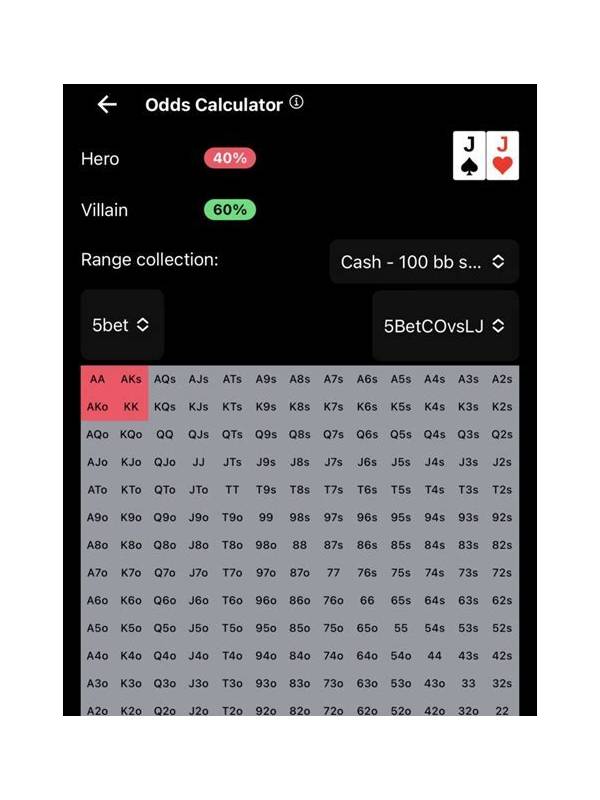
Rummy Comparison: Exact Odds and Practical Ranges
Exact odds and practical ranges answer different questions when you evaluate an uncertain rummy draw. [...]