Rummy Tips: Use a Decision Timer for Each Turn
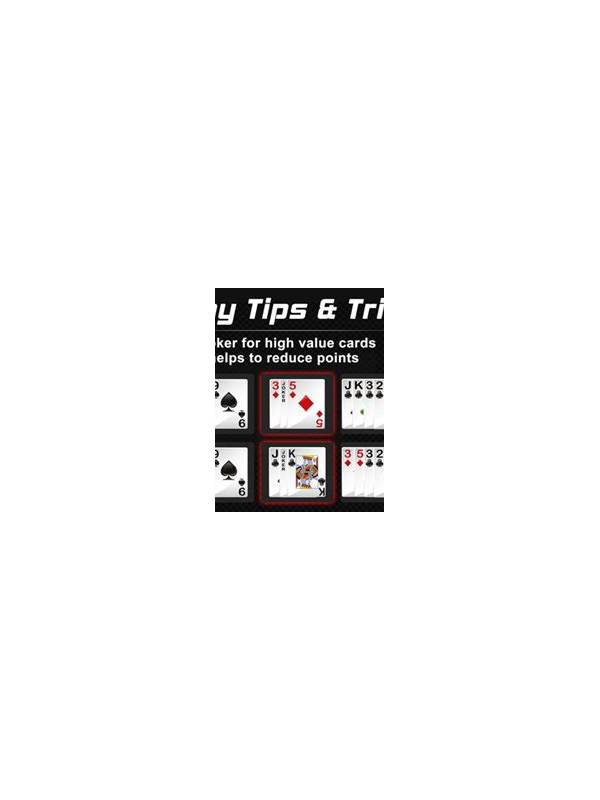
A decision timer is not a demand to play fast. It is a personal boundary that helps you notice when a turn has become unproductive. Long pauses often feel like careful thinking, but they can also lead to repeated checking, emotional attachment to one card, or a last-second choice made under pressure. A consistent routine gives each turn a clear shape.
Choose a comfortable limit before you begin. For a practice game, two or three minutes may be reasonable; for a faster table, the limit should match the table’s published rules. The goal is not to beat a formal clock. Set a private target that leaves enough time to inspect your hand, understand the available draw, and select a discard without rushing.
Divide the turn into three stages. Spend the first part observing: what did you draw, what useful groups are already present, and what is the current score or objective? Use the middle part to compare two or three realistic choices. The final part is for checking the selected move and completing it. This prevents the common habit of spending the entire turn searching for a perfect option that may not exist.
Keep the comparison narrow. A useful question is, “Which choice improves my hand while leaving the fewest dangerous loose cards?” You can compare taking the top discard with drawing unseen, or keeping a flexible connector with releasing a high-point card. There is rarely a need to evaluate every theoretical future hand. Once one option is clearly safer or more useful, act on it.
If the timer expires while you are uncertain, choose the move with the smallest downside under the rules you are playing. That may mean discarding a high-value isolated card, preserving a card that serves two possible combinations, or declining a speculative pickup. Record the uncertainty mentally instead of trying to recover by playing several turns too quickly.
After the game, review timing rather than judging only the result. Note whether your longest turns produced better decisions or merely more hesitation. Adjust the limit if it was too generous or too tight. Also respect other players: never use a timer to pressure them, and follow the platform’s time controls and table etiquette. A decision timer works best as a focus tool. It encourages deliberate choices, protects attention, and makes the rhythm of a session easier to manage.
It can also help to keep a brief session note: average turn length, the type of decision that caused hesitation, and whether fatigue appeared late in the game. Use the note to improve your routine, not to criticize yourself. A timer should support clear thinking and enjoyment, while the table’s official time limit and all player agreements remain the final authority.
Related Post
Rummy How-To: Annotate a Practice Hand Without Overwriting It
Use short, time-stamped notes to learn from a practice hand while preserving what was actually [...]
Rummy Tips: Use a Three-Window Review Before Discarding
Reviewing the current hand, the table information, and the next risk creates a repeatable discard [...]