Rummy Comparison: Draw Pile Information Versus Discard Safety
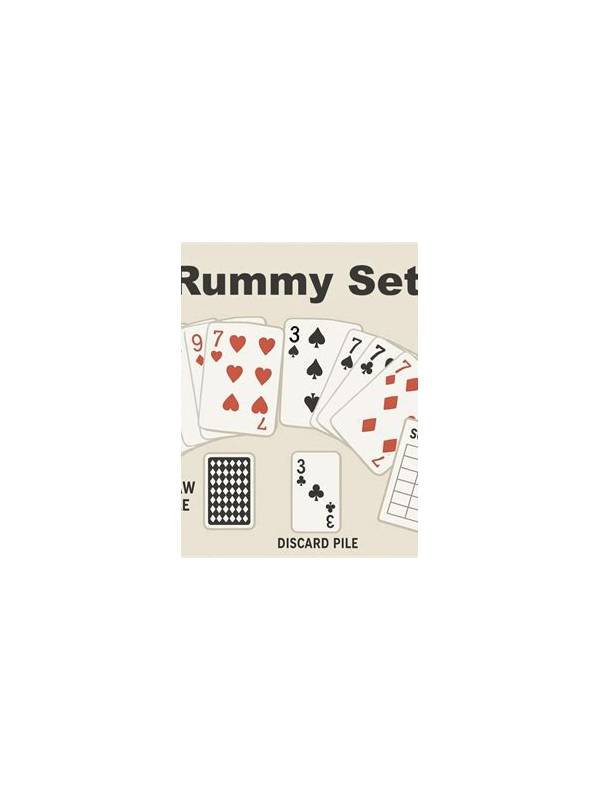
The draw pile offers uncertainty, while the discard pile offers information. Choosing between them is not simply a search for the card you want. It is a comparison between an unknown chance and a visible card that may reveal part of your plan to other players.
Start with the card itself. If the discard completes a required sequence or a set immediately, its concrete value may outweigh concerns about giving information. If it only creates a speculative pair, the unseen draw may preserve more flexibility. Always follow the specific rules of the table, because some formats restrict or define pickups differently.
Then ask what your pickup communicates. Taking an exposed card can suggest its rank, suit, or role in your hand. Observant opponents may use that clue to avoid helping you or to infer a broader plan. This does not mean you should refuse useful cards; it means information is part of the price.
Compare the alternatives with three labels: completes, improves, or tempts. A card that completes is usually strong. A card that improves an established project deserves consideration. A card that merely tempts you should be judged against the cost of revealing interest and carrying another dependency.
The decision can change late in the hand. When you need a specific card now, a known discard may be more valuable than an uncertain draw. When your hand is already organized, protecting ambiguity may be worth more than a small improvement. Timing changes the balance between information and safety.
Review your choices after the hand. Did the visible card create a real group, or did it keep you attached to a hope? Did avoiding the discard protect flexibility, or did it miss your only reliable route? This comparison builds judgment without turning every pickup into a rigid rule.
Remember that information has value even when the card is not useful. A discarded card can show which routes are less likely, while a pickup can suggest what an opponent may be developing. Avoid trying to reconstruct an entire opponent hand from one action. Record only the narrow fact and let later evidence update it. This keeps the comparison useful without turning a normal pickup into an elaborate prediction exercise.
The best choice is often the one that keeps your own plan readable. If the known discard gives a concrete improvement and the draw pile offers only a vague hope, information should not be used as an excuse for indecision.
Related Post
Rummy Discard Pile Signals Without Overreading Them
The discard pile offers useful clues, but disciplined observation is safer than assuming you know [...]
Rummy Comparison: Passive Waiting Versus Active Reassessment
Comparing passive waiting with active reassessment shows why a patient plan still needs regular evidence [...]