Rummy How-To: Read a Rule Screen Before Joining a Table
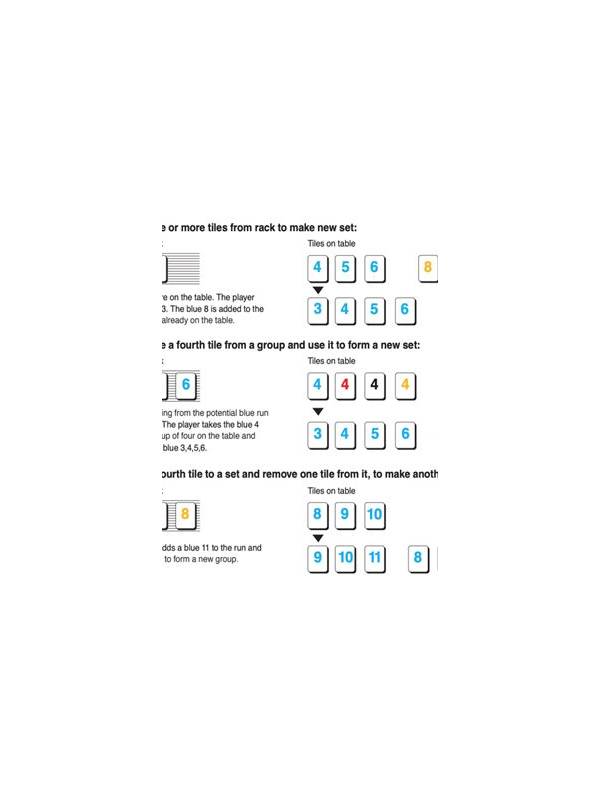
Rule screens often compress important information into headings, icons, and short examples. Reading them in a fixed order helps prevent a familiar word from hiding a different local rule. Before joining, identify the objective, hand structure, scoring, turn process, and declaration conditions.
Begin with the objective. Find out what counts as a win and whether the table ends after one hand, several deals, or a target score. Then confirm the starting hand size and the deck or joker arrangement. Do not assume that a format uses the same number of cards as another format with a similar name.
Read the turn sequence next. Note whether a player draws before discarding, whether the discard pile can be taken, and whether a discarded card can be reclaimed. Check the timer and what happens after a timeout or connection problem. A simple written sequence such as “draw, arrange, discard, declare” can prevent an expensive misclick.
Pay special attention to validity. Look for the required number of sequences, the meaning of a pure sequence, restrictions on jokers, and the penalty for an invalid declaration. If an example is provided, recreate it mentally with different cards. An example that looks clear may not cover the edge case that matters in your hand.
Finish with money, privacy, and support information. Verify entry fees, refunds, withdrawal conditions, and any age or location restrictions before using a paid table. If the rules are unclear, choose practice mode or ask support through the official route. A few minutes spent reading is part of playing responsibly and makes later decisions easier to review. Make a short personal reference only after reading the full screen. Write down the unusual points in your own words, such as whether an ace can be high, how a tie is handled, or when a declaration becomes final. Do not copy confidential account information into the reference. The purpose is to remember rules, not credentials.
If two screens appear to conflict, pause before joining. Take a screenshot for your own comparison and use the official help route to resolve the difference. An uncertain rule should be treated as a reason to practise or wait, not as a reason to guess with a paid entry. If the wording remains unclear after a second reading, treat the uncertainty as meaningful information and wait for clarification. Reading in this order also gives you a reliable way to explain the format to another beginner.
Related Post
Rummy Guide: Use a Stop-and-Check Point in the Middle Game
A short middle-game checkpoint helps players notice changing priorities before an automatic plan causes new [...]
Rummy How-To: Reconstruct a Hand After the Round
Reconstructing key turns after a rummy round can reveal decision patterns without relying on vague [...]