Rummy FAQ: Why Does Turn Order Affect a Discard?
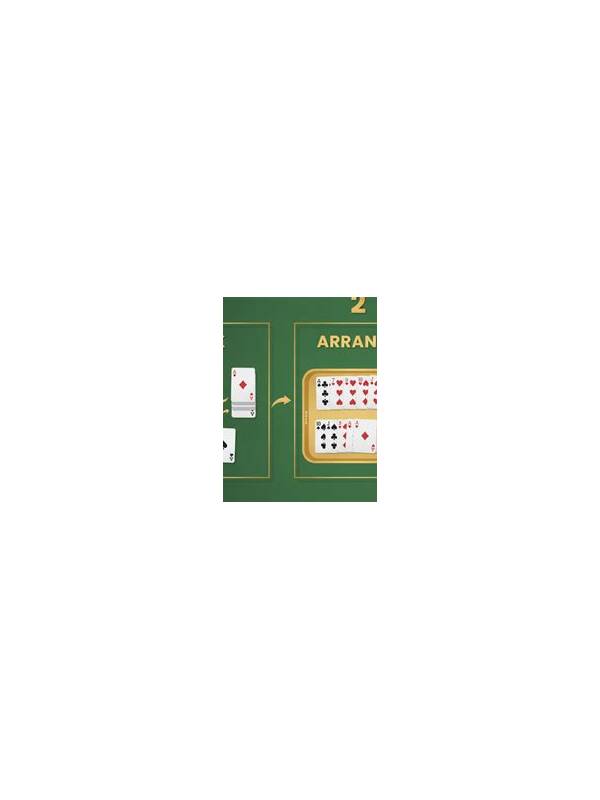
Turn order affects a discard because it changes what you know and how soon other players act. The card itself does not change, but its timing and information context can change the decision around it.
When you act early in an order, fewer public actions may be available for review. You may need to choose with less information about which cards others want. Acting later can reveal more discards and draws, but it also means that another player may complete or improve a hand before your next turn. Both positions have advantages and costs.
Suppose two cards are similar in point value. One is a connector that several players might use, while the other is an isolated card with little visible relevance. If you act after seeing an opponent take a related card, the connector may become more dangerous to keep or discard, depending on the format and what is publicly known. If you act before that information appears, your estimate may be wider.
Turn order also affects waiting time. A plan that needs one specific card may have to survive several opponents’ turns before you draw again. During that interval, the open pile can change and the chance of receiving the card may become less attractive. A broader plan can sometimes be preferable when your next decision is far away.
Do not overread turn order. Public information is incomplete, and a player may take a card for a reason you cannot see. Treat actions as evidence that updates your estimate, not as proof of an exact hand. Keep your own requirements and penalty exposure in view.
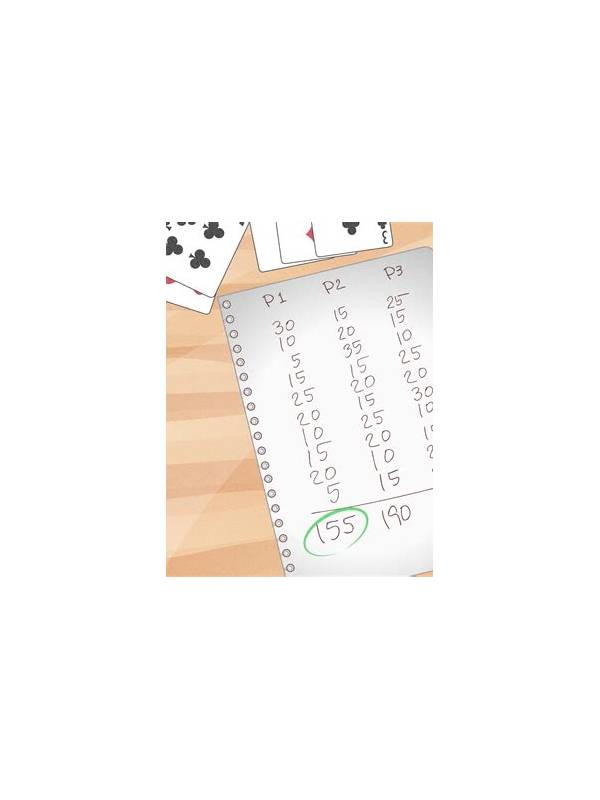
A useful review question is: “What did my position allow me to know when I discarded?” Write down the public cards available, the number of intervening turns, and the alternatives in your hand. This produces a more accurate lesson than comparing your choice with information revealed later.
Turn order is one factor among rules, hand structure, timing, and opponent actions. Considering it can make close decisions more deliberate without pretending that the table is fully predictable.
If turn order repeatedly makes you uncomfortable, use slower practice tables to learn the rhythm. Pay attention to how much information arrives before your turn and how long you must wait afterward. Familiarity with that rhythm can improve confidence without encouraging rushed or oversized decisions.
You can note this rhythm beside each review so the lesson remains tied to context.
Related Post

Rummy FAQ: When Is a Flexible Card Actually Narrow?
A card is only practically flexible when its possible jobs are legal, plausible, and compatible [...]
How to Track an Opponent’s Discard Pattern in Rummy
A lightweight observation method helps you notice useful patterns without trying to reconstruct another player’s [...]