Rummy Error Recovery After a Misclick
An accidental click can change a rummy hand in a second. The immediate reaction is often frustration, but a calm recovery routine protects the decisions that remain. Not every mistake ends a hand, and not every recovery requires a dramatic change of plan.
First, identify exactly what happened. Did you draw from the wrong pile, select an unintended card, or discard before checking the hand? Confirm the visible state rather than reconstructing it from memory. If the platform offers an undo or support function, read its conditions before assuming the action can be reversed. Do not make additional clicks in panic.
If the action cannot be corrected, rebuild your options from the new information. Separate completed structures, flexible connections, and high-point leftovers. The accidental card may still help, or it may simply change which card is least useful. Treat it as part of the current hand instead of spending every later turn trying to justify the original plan.
Reconsider the discard with two safeguards. Check that it does not create an obvious completion for another player, and check that releasing it will not leave an invalid structure. If the mistake removed a key card, prioritize a realistic replacement rather than a perfect reconstruction. A smaller, reliable improvement is often better than waiting for one exact card.
After the hand, record the cause. Was the button too close to the card, was the screen crowded, or were you rushing? Correct the environment where possible: enlarge the display, slow your tap routine, or use a device position that keeps controls separate. If repeated errors occur when tired, end the session earlier.
A misclick is useful feedback when it leads to a safer process. Accept the changed state, make the best legal decision available, and review the trigger later. If money is involved, do not chase the result while upset; document the issue through the official process instead. Good recovery is less about rescuing one result than about preventing the next avoidable error. Pause after selecting a card, confirm the intended action, and then tap the final control. Avoid playing while walking or multitasking. A short pause can protect the rest of the hand. If errors repeat, change the device position or end the session; frustration makes another error more likely. Recovery begins with accepting the current state. The lesson is procedural: slow the final action and review the cause later. One careful pause is cheaper than several rushed corrections.
Related Post
Rummy How-To: Build a Small Table-State Card
A four-line table-state note can keep your decisions grounded in the information actually available. [...]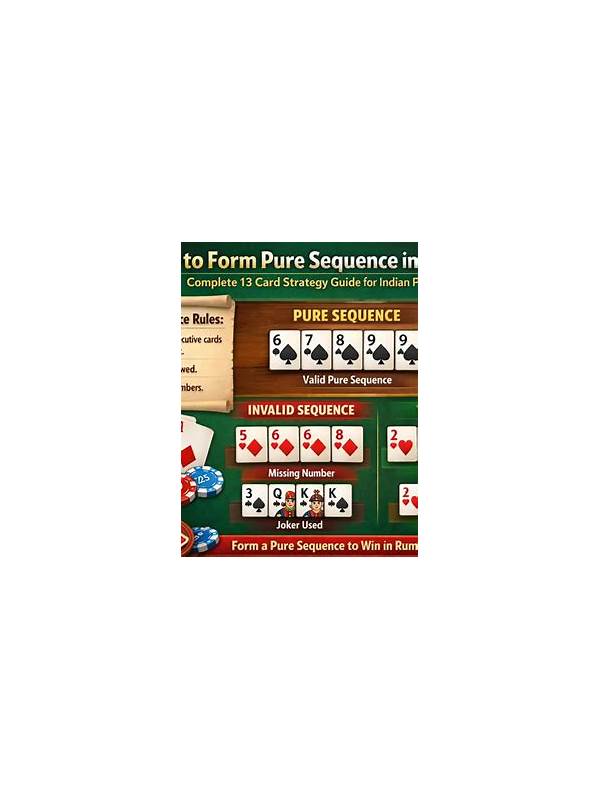
Rummy How-To: Test a Sequence Before Holding It
Testing a possible sequence against alternatives can prevent one attractive connection from controlling the whole [...]