Rummy FAQ: What Should You Record After a Close Hand?
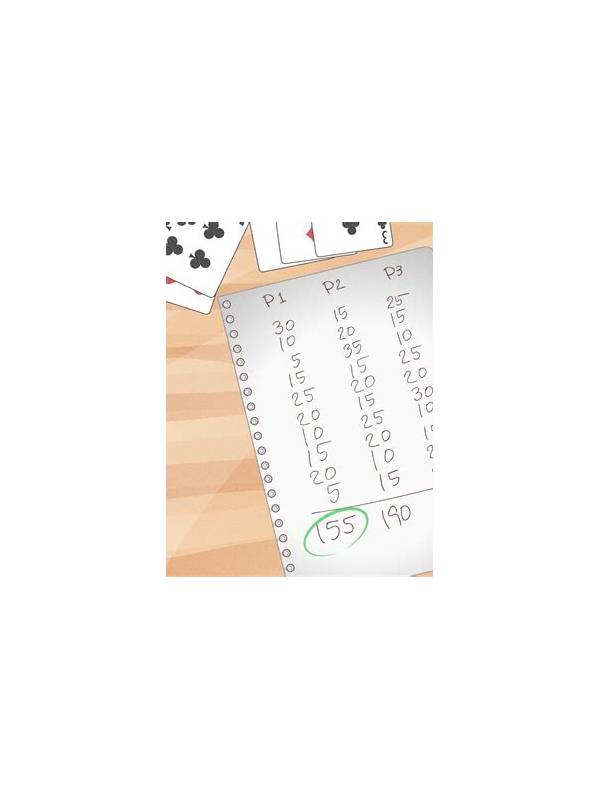
A close rummy hand can feel memorable, but memory tends to preserve the final result more clearly than the decisions that produced it. A brief review note helps you capture useful evidence while the sequence is still fresh. You do not need a full transcript. Record only details that can change how you approach a similar situation.
Start with the hand’s turning point. Identify the draw, discard, or pickup that changed your plan. Write what you believed at that moment and what information supported it. If you cannot identify a turning point, note when you first realized the original plan was no longer working. This focuses the review on decisions rather than general emotion.
Next, record the structure of your hand. How many cards were in confirmed combinations? How many were partial groups? Which card remained isolated longest? These simple counts can expose patterns such as protecting pairs too long or ignoring a high card because it looked close to a sequence. Use rough descriptions when exact notation would take too much time.
Add one observation about the table. Perhaps an opponent repeatedly took connected discards, or the discard pile showed that a hoped-for card was unlikely to appear. This context explains why a decision was reasonable or risky. Do not write an absolute claim such as “the opponent definitely had hearts.” Record the visible evidence instead.
Finish with one action for next time. It might be “set a midpoint review,” “check penalty before chasing a pair,” or “compare two discard candidates.” Keep the action specific and small. A vague promise to play better cannot guide the next turn, while a single check can become a reliable habit.
Review notes in groups of five or ten hands. Look for repeated decisions, not isolated mistakes. If the same weakness appears several times, practice that decision directly in low-pressure games. The purpose of a review is not to criticize yourself after a loss. It is to turn an uncertain experience into a clear question you can test later. Keep the note private and practical. “Held the pair one turn too long because I ignored the missing connector” is more useful than a general promise to improve. Clear wording makes the lesson memorable, while exaggerated language encourages overcorrection. This keeps the method practical, focused, and easy to apply during the next ordinary turn. Use the result as a prompt for the next choice, then return attention to the current cards and visible evidence.
Related Post
Rummy FAQ: Why Does a Pair Feel Better Than It Is?
Pairs are easy to notice, but their real value depends on available extensions, timing, and [...]
Rummy How-To: Use a Two-Column Draw Journal
A compact journal separates what a player expected from what the hand actually showed. [...]