Rummy Safety: Take a Break After Repeated Mistakes
Repeated mistakes are a practical signal to pause. The signal is not a judgment about skill. It may indicate fatigue, distraction, frustration, or a session that has become longer than planned. Continuing automatically can turn one correctable error into a pattern.
Choose a simple threshold before you begin. For example, pause after three rushed discards, two missed rule checks, or a moment when you notice yourself acting before reading the hand. A pre-set threshold is easier to follow than a promise to stop only when the session feels bad.
When the threshold is reached, leave the table or close the practice view. Take a real break rather than switching immediately to another game. Stretch, drink water, and let your attention move elsewhere for a few minutes. Do not use the break to replay the same hand repeatedly; the first goal is to restore calm.
When you return, make one choice: continue at a lower pace, switch to review, or end the session. If the same mistake appears again, ending is reasonable. Practice is meant to develop reliable decisions, and tired repetition may reinforce the wrong habit.
Keep stakes and session length within a boundary you can afford. A break rule is most effective when it works alongside a time limit and a spending limit. Never treat continued play as a way to recover a previous result.
Afterward, record the trigger in one sentence. “I began discarding before checking the open pile after forty minutes” is enough. Over time, these notes can reveal when your attention falls and help you schedule shorter, safer sessions. If the session involves money, the break rule should not be used as a negotiation with yourself. A pause is not a reason to increase limits, chase losses, or return immediately because the next hand looks attractive. Use the boundary you set in advance. If you feel unable to follow it, end the session and seek support from a trusted person or an appropriate local service. Break rules should be visible before play begins. Put the stopping time or mistake threshold in a place you will notice, and decide what action follows it. If the action is only “think about stopping,” it may be too vague. A real break, a session close, or a switch to non-stakes review gives the boundary practical force. A break is a safety tool, not a test of willpower. Make it easy to follow and difficult to reinterpret in the moment.
Related Post
Rummy Safety: Handle Unexpected Bonus Messages Carefully
Treat surprising bonus alerts as unverified until the offer, conditions, and sender are confirmed through [...]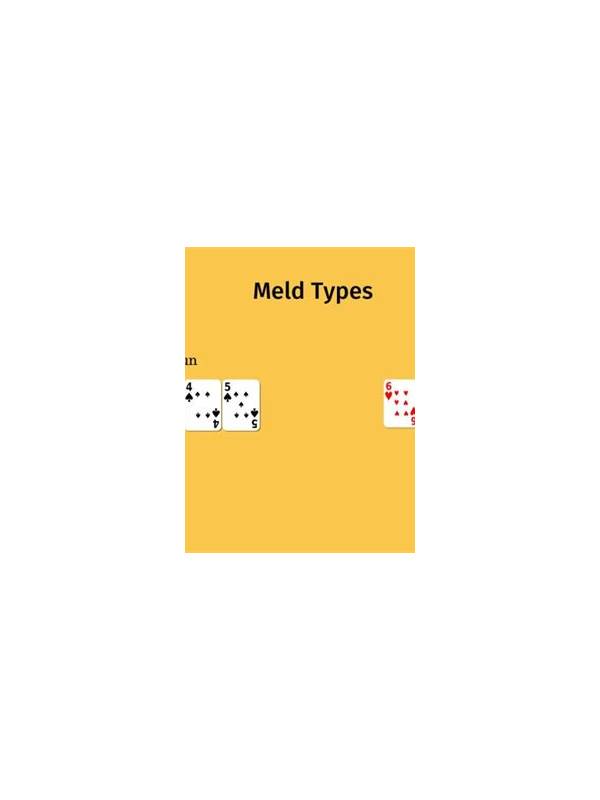
Rummy FAQ: Is a Fast Meld Always the Best Meld?
Completing a meld quickly can be helpful, but speed should be weighed against flexibility and [...]