Rummy FAQ: Does a Neat Hand Mean a Strong Hand?
Why neatness feels persuasive
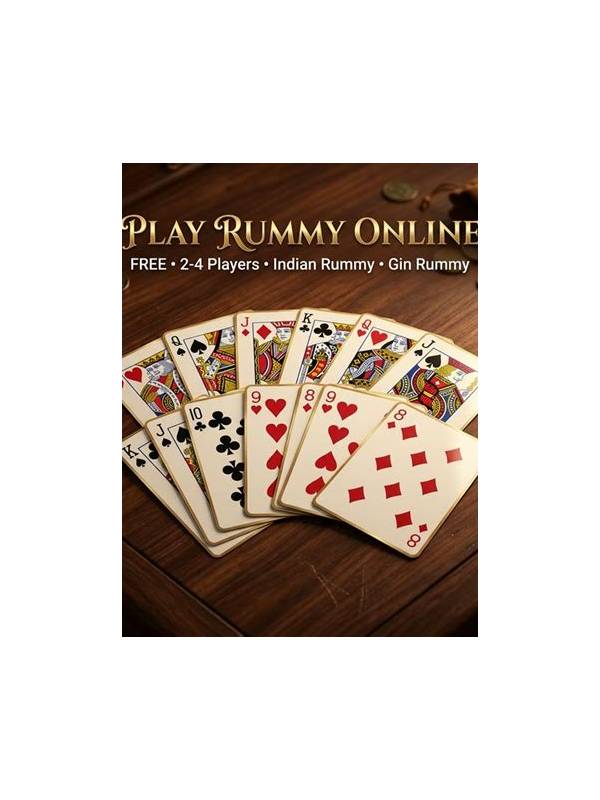
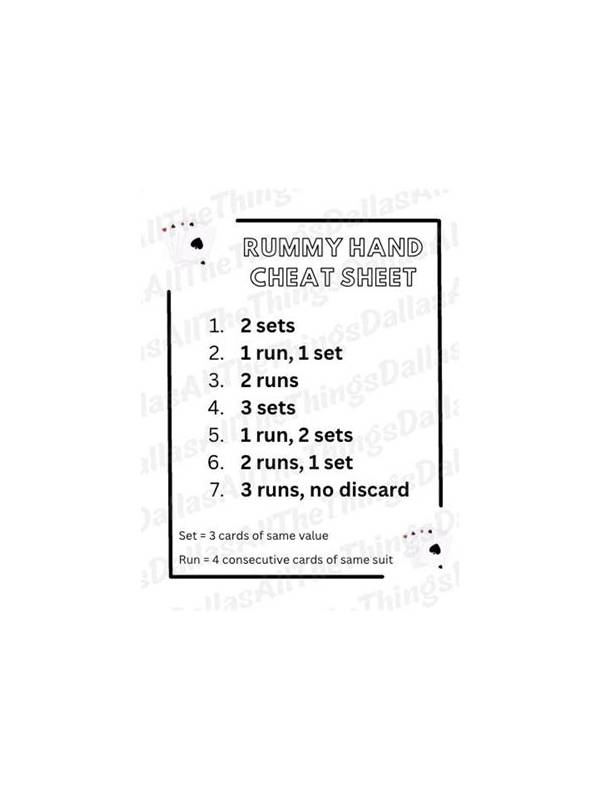
Sorting cards into tidy rows can make a hand feel settled. That visual order is helpful because it reduces search time, but it can also hide weak assumptions. Two cards placed side by side may look like a sequence even when the needed connection is unlikely. A pair may look important simply because it is easy to see. Neatness improves visibility; it does not create a legal meld.
After arranging the hand, inspect each group separately. State what the group already proves and what it still needs. A confirmed sequence has a different status from a pair with one possible extension. Mark those statuses mentally or with a simple note. This prevents the layout from giving every group equal confidence.
Three tests for a tidy arrangement
The first test is completeness. Can you explain which groups are already valid under the table’s rules? If not, the layout is a draft, not a solution. The second test is independence. Does each group use distinct cards, or have you unconsciously counted one card twice? Overlapping ideas are common when a hand has many near-matches.
The third test is continuation. For each unfinished group, identify the next useful card and one reason to stop waiting. A neat arrangement with no continuation plan is only a display of possibilities. It may encourage you to hold too many cards for too long.
When to reorganize
Reorganize after a new draw, after discarding from a crowded section, or when you can no longer explain the role of one card. Move from a visual sort to a functional sort: foundation, active project, flexible bridge, and release candidate. This change can reveal that a visually balanced hand is strategically lopsided.
The best use of neatness is modest. Keep the cards easy to read, then challenge the arrangement with evidence. Ask whether it reduces the number of unresolved problems, preserves useful options, and supports a legal finish. If it does, keep it. If it only looks pleasing, treat it as temporary and reassess before the next important action.
The same principle applies to digital layouts. An app may automatically group cards or highlight possible melds, but those visual cues are suggestions, not rulings. Confirm the actual requirements in the format and check whether highlighted cards overlap. A useful interface reduces clutter; it should never replace your own legality check or your decision about which unfinished group deserves space.
Related Post
Rummy Tips: Use a Two-Column Discard Review
A quick two-column method can make discard choices more consistent and easier to explain. [...]
Rummy FAQ: Why Does Sequence Length Matter?
Understand how short and long sequences affect flexibility, legality, and the number of decisions left [...]