Rummy Guide: Compare a Card’s Risk and Usefulness
A card can be useful and still be risky to keep. It may connect two routes, but only through a narrow gap. It may have a low point value, yet occupy space that a more flexible card needs. Separating usefulness from risk creates a clearer discard decision.
Start by listing what the card can do now. Can it complete a group, extend a partial run, or connect two plausible structures? Then list what must happen before that usefulness becomes real. A card needing one exact rank is riskier than a card that can improve through several neighboring ranks. The number of routes is not a guarantee, but it is meaningful context.
Next, consider the cost of waiting. Holding the card may require discarding another card with a stronger current role. It may also reveal an attachment to a plan that has already weakened. Compare the card with the best alternative, not with the worst card in the hand. A fair comparison makes it easier to explain the final choice.
Timing changes the balance. Early in a hand, a narrow card may be worth testing when the opportunity cost is low. Late in a hand, the same card may need to improve immediately or be released. Set a review point so waiting is deliberate rather than automatic. A simple rule such as “reassess after the next meaningful draw” can prevent quiet overcommitment.
Use this method in review by writing two labels for selected cards: present use and future risk. If the present use is vague and the future risk is high, the discard deserves attention. If both are moderate, compare flexibility and point exposure. The goal is not to find a perfect formula. It is to make the trade-off visible before emotion or habit decides for you. When two choices remain close, prefer the one you can explain from visible information. This does not make the choice certain, but it keeps the process stable. Record the comparison in a review note and revisit it after several hands. A repeated pattern is stronger evidence than one memorable result, especially when the deal created unusual opportunities or obstacles. One practical way to test the idea is to review five hands and record the card you kept, its strongest role, and the turn on which that role disappeared. Compare the planned role with the actual route that developed. This record can show whether you are keeping cards because they remain useful or because they were once useful. Do not change your whole style after one unusual deal. Use the notes to choose one narrow experiment, then evaluate the experiment over another small set of hands. A careful comparison makes improvement more dependable.
Related Post
Rummy Safety: Check Account Recovery Options Early
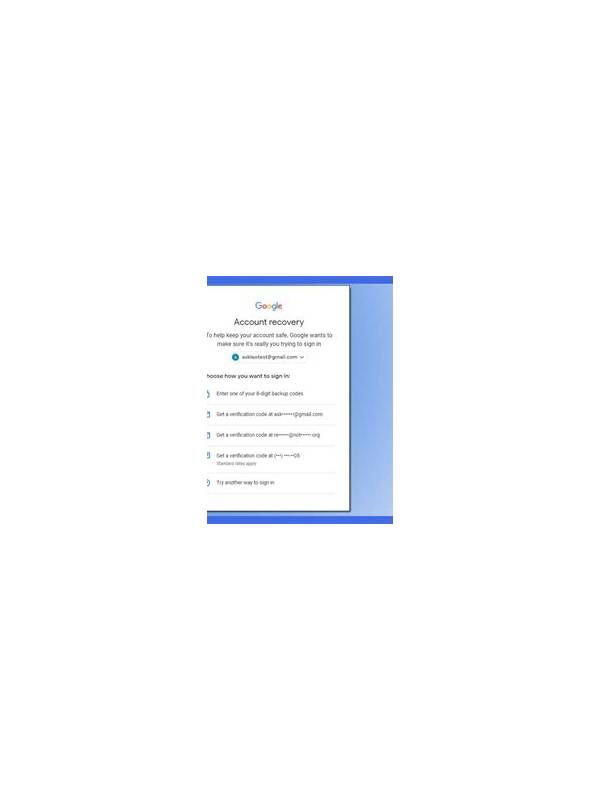
Reviewing account recovery settings before play can reduce confusion if a device is lost or [...]
Rummy How-To: Build a Simple Hand State Map
A hand state map records what is confirmed, developing, and expendable so each draw starts [...]