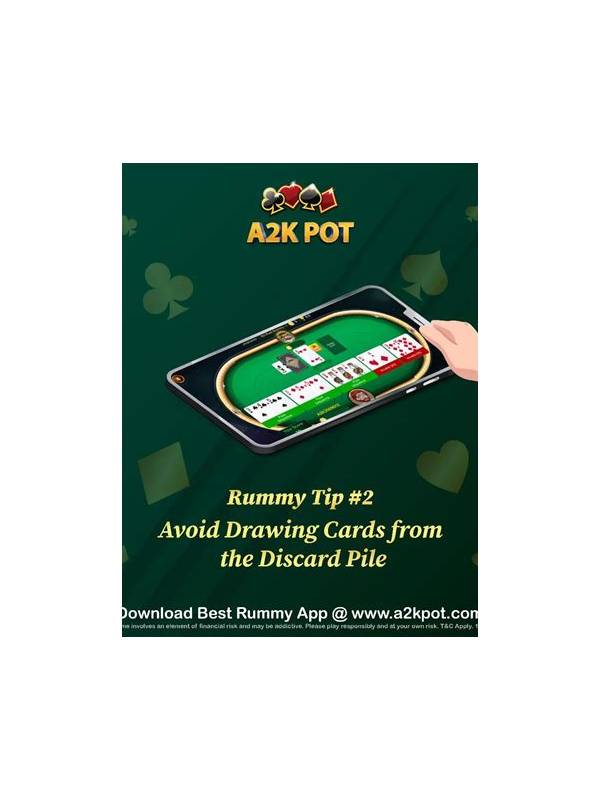
Rummy Tips: Use a Quiet Pause Before the Draw
The moment before a draw is often treated as empty time, but it is a useful checkpoint. A quiet pause separates the previous turn from the next decision. It gives you a chance to see the hand as it is now rather than reacting to the last card or the emotion of the table.
Keep the pause short and consistent. Sort the cards, name the strongest current structure, and identify the card that is least useful if nothing improves. Then ask whether the discard pile offers a clear improvement under the applicable rules. If not, a blind draw may preserve more options than taking an attractive but narrow card.
The pause should not become a search for certainty. You cannot know the hidden deck, and waiting longer will not reveal every answer. Its purpose is to prevent a decision made before the hand has been inspected. If you find yourself repeating the same thought without new information, choose the best supported option and continue.
Use a different question when the hand is near completion: “What must be verified before I act?” This shifts attention from creating possibilities to checking legality and avoiding duplicate use of a card. The pause can therefore adapt while its basic function remains stable.
Practice the pause in low-pressure hands and review whether it changed your reason, not merely your result. A card can still fail to help after a careful pause. That failure does not make the pause pointless. The habit is valuable when it replaces automatic action with a concise, explainable decision. The pause is also a courtesy to your future self. It reduces the chance that you will need to reconstruct why an automatic move was made. If the table moves faster than your routine, use the shortest version: inspect the hand, identify the weakest card, and confirm the action. Consistency matters more than performing a long analysis on every turn. A pause can include a quick posture and attention check as well. If you are distracted, tired, or reacting to a notification, acknowledge that before deciding. You may need to simplify the analysis or take a scheduled break when the format permits. This is not a strategy for finding better cards; it is a way to keep the decision process deliberate. In a review, note whether the pause helped you notice a legal issue, a weak card, or an alternative draw. Concrete effects make the habit worth retaining.
Related Post
Rummy Rule Exceptions: How to Check Before Relying on Memory
Use a short exception check whenever a familiar rummy rule may differ in the format [...]
Rummy Safety: Keep Game Advice Separate From Personal Data
Protect privacy by discussing card strategy without exposing account, identity, or transaction information. [...]