Rummy Draw Timing: When the Open Pile Deserves Attention
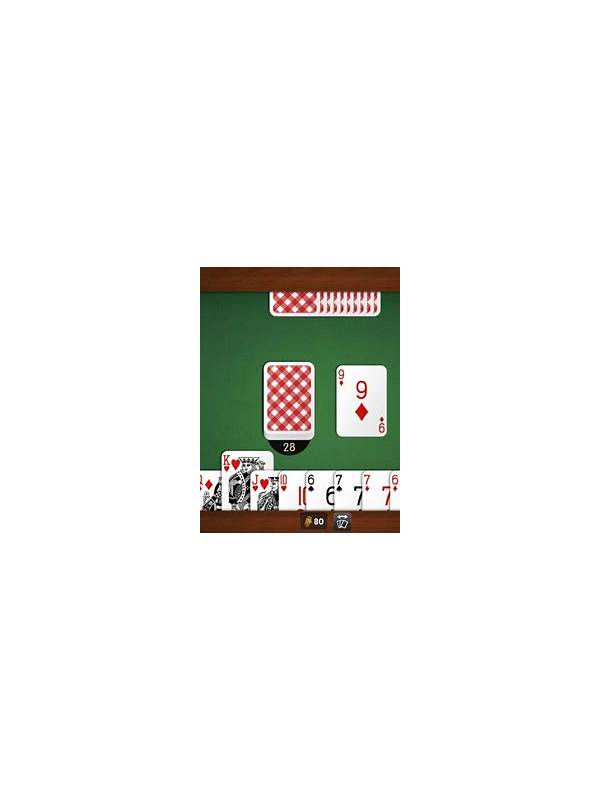
An open-pile card can be attractive because its identity is known. That certainty is useful, but it can also make a weak card look stronger than it is. Before taking it, separate the value of the card from the comfort of knowing exactly what you will receive. A visible card is not automatically a good card.
Begin by naming the role the card would play. Does it complete a legal group, strengthen a two-card connection, or give you a flexible bridge? If you cannot describe a plausible role, the card may be a distraction. A card that only matches your suit count or feels close to another card needs more evidence before it deserves commitment.
Consider the information cost as well. Taking from the open pile announces interest in that card or in the structure it supports. Other players may not know your full hand, but your choice adds a clue. In a casual game this may not matter much; in a thoughtful game it should be part of the comparison. Ask whether the improvement is large enough to justify revealing that clue.
Also compare the alternative draw. A closed draw may offer more uncertainty but preserve your public profile. If the open card completes a required sequence, its certainty may be worth more than concealment. If it merely replaces an average card, the hidden option may be better. There is no universal preference; the format and stage of the hand matter.
Review open-pile decisions by recording the card’s intended purpose and the fallback if it fails. This prevents hindsight from turning every visible card into an obvious choice. Good timing means taking known information when it materially improves the hand, not collecting certainty for its own sake. There is also a practical courtesy to consider. If taking an open-pile card requires a long pause while everyone waits, decide what information you need before your turn begins. A prepared comparison keeps the action smooth. In online play, learn which pile is selected and review confirmation prompts so an intentional choice is not confused with an accidental click. If the open-pile card is useful only because it prevents an uncomfortable decision, pause and identify the real problem. You may need to discard a high card, break a pair, or revise a sequence. Taking a visible card can postpone that decision without solving it. The open pile is one source of evidence, not a shortcut around evaluation. Treat its known identity as useful information and its public visibility as a possible cost. That balanced view keeps draw timing connected to the hand you actually hold.
Related Post
Indian Rummy Guide: Protect Information While Sorting Cards
Learn how thoughtful card organization can improve review without making every plan obvious to you [...]
Rummy Safety: Keep Play Separate From Essential Money
Set practical financial boundaries so a rummy session never competes with essential household needs. [...]