Rummy FAQ: Why Does a Pair Need Context?
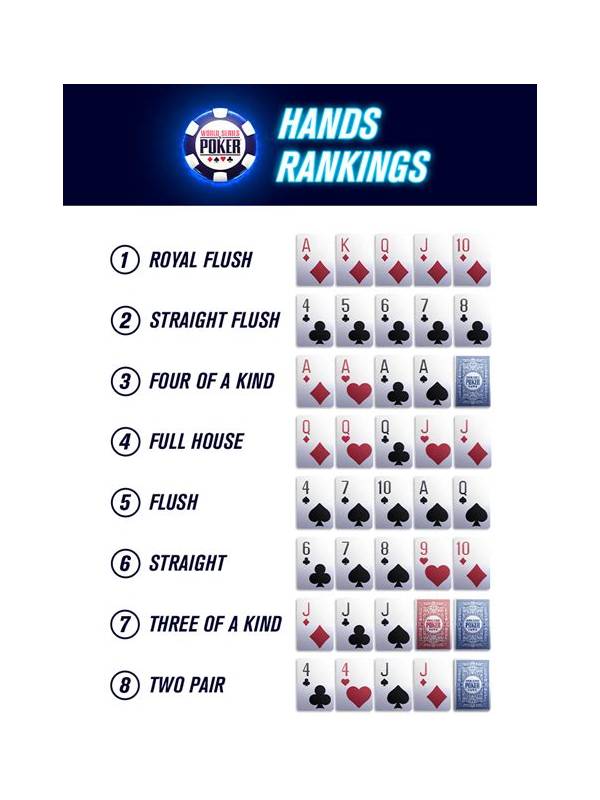
A pair can look immediately useful because it is already organized, but organization alone does not make it the best structure to protect. The pair’s value depends on whether it can become a legal group, how many improvements are realistic, and what other cards are lost by holding it.
Compare a pair with the rest of the hand. A pair that can join several routes may be a flexible anchor. A pair that needs one exact card may be a dead end. A different pair may be lower in point value but more useful because it leaves the hand open. Context turns a visual pattern into a decision.
Timing also matters. Early in the hand, holding a narrow pair may be acceptable while you gather information. Late in the hand, the same pair may need immediate progress or release. Set a review point instead of allowing the pair to stay simply because it has survived several turns.
Discard information can change the context. A visible card may make one route less likely, while a new draw may create a better use for the pair. Do not treat a previous evaluation as permanent. Re-sort when the hand’s structure changes.
When reviewing, ask what the pair protected, what it blocked, and what improvement it realistically needed. These questions explain the decision more clearly than “pair good” or “pair bad.” The pair is a candidate, not a conclusion. Context also includes the table’s variant. A pair may have different practical importance when group sizes, wild-card rules, or scoring penalties change. Read the local rules before applying a familiar habit from another format. The pair itself has not changed, but the cost of waiting and the requirements for completion may have changed substantially. A pair can also have social or visual importance that is unrelated to its strategic value. It may look tidy when the hand is sorted, which can make it easier to remember than an isolated but more useful card. Be aware of this presentation effect. Temporarily rearrange the hand by route or by urgency to see whether the pair still deserves protection. If its value disappears when the layout changes, investigate the reasoning before relying on the visual pattern. Context protects you from both overvaluing and undervaluing the pair. It may be the right card to keep, but that conclusion should come from its routes and timing rather than its neat appearance.
Related Post
Rummy FAQ: What If the Next Draw Helps Nothing?
A neutral draw is a normal rummy situation, and this FAQ shows how to respond [...]
Rummy Turn Budget: A Simple Way to Pace Your Decisions
Learn how a small turn budget can keep a rummy hand organized when several draws [...]