Rummy Card Value: Separate Points From Practical Utility
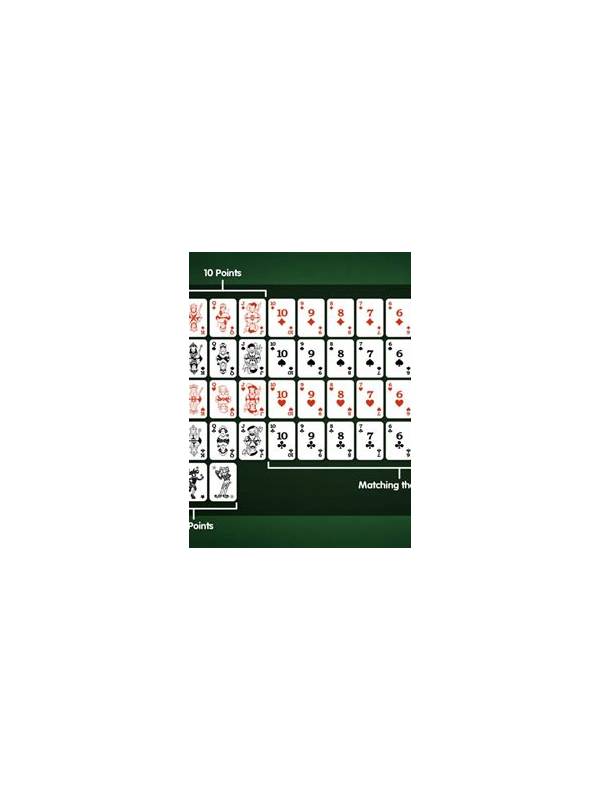
Every card in a rummy hand has at least two kinds of value. Its point value affects the cost of an unfinished hand, while its practical utility describes how many credible groups it can support. Confusing these values leads to predictable mistakes: discarding a flexible card too early or holding a high card with no realistic connection.
Start with point exposure. High cards usually deserve attention because keeping them ungrouped can be expensive. That does not mean every high card should be discarded immediately. A king beside a queen may be more useful than a low card with no connection. Points create urgency, not an automatic answer.
Next, measure utility in simple terms. Can the card join a complete group, a two-card sequence, a pair, or more than one plan? Does it help satisfy a format requirement? A card with several credible roles may be worth its points for a while. A low card with no link may be a cleaner discard despite its small penalty.
Compare the two dimensions together. A high, isolated card is often a strong discard candidate. A high card supporting a near-complete legal group may be protected. A low card that blocks several better structures may also need to go. The goal is to reduce risk while preserving enough flexibility to finish the hand.
Review decisions by writing both values down: “points if stranded” and “roles if kept.” This makes hindsight less dramatic and reveals your habits. Practical utility changes as new cards appear, so repeat the comparison after important turns. Strong discards come from the relationship between points and utility, not from either number alone. Remember that utility includes information already seen. A card may have several theoretical roles, but those roles become weaker when their connecting cards have been discarded or when another player’s actions make the route less plausible. Recalculate lightly rather than dramatically. Often the best decision is simply to release the card with high exposure and the fewest live connections. A card’s utility can be negative when it encourages tunnel vision. If keeping it makes you ignore a required group or retain several expensive companions, downgrade its practical value. The card itself has not changed; the opportunity cost of holding it has. This framework is especially useful when two cards have similar point values. Ask which one supports more legal futures and which one is easier to replace. The answer may change after each draw, so card value is always contextual rather than fixed.
Related Post
Rummy How-To: Create a Personal Rule Summary for New Variants
A compact rule summary makes switching between rummy variants safer and less confusing. [...]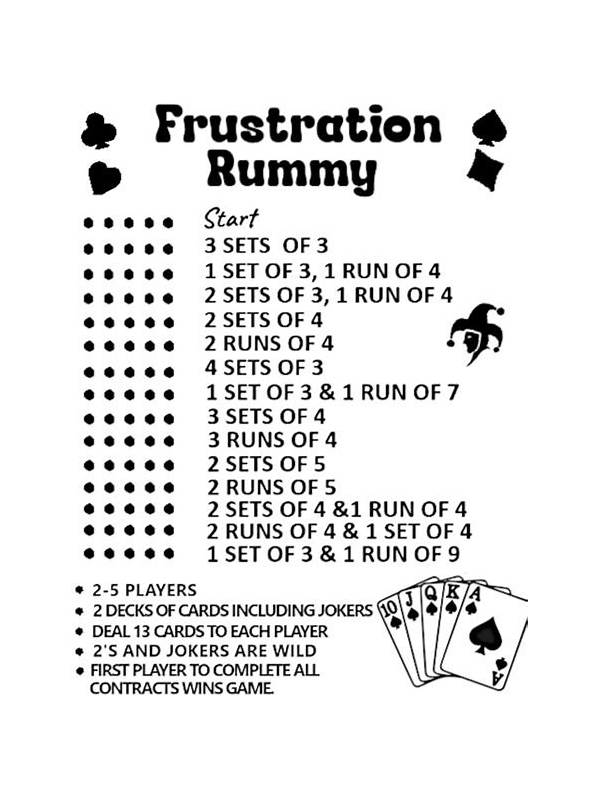
Rummy FAQ: How Do You Spot a False Improvement?
A card can look helpful while leaving the hand no closer to a legal finish, [...]