How to Set a Rummy Learning Goal for One Week
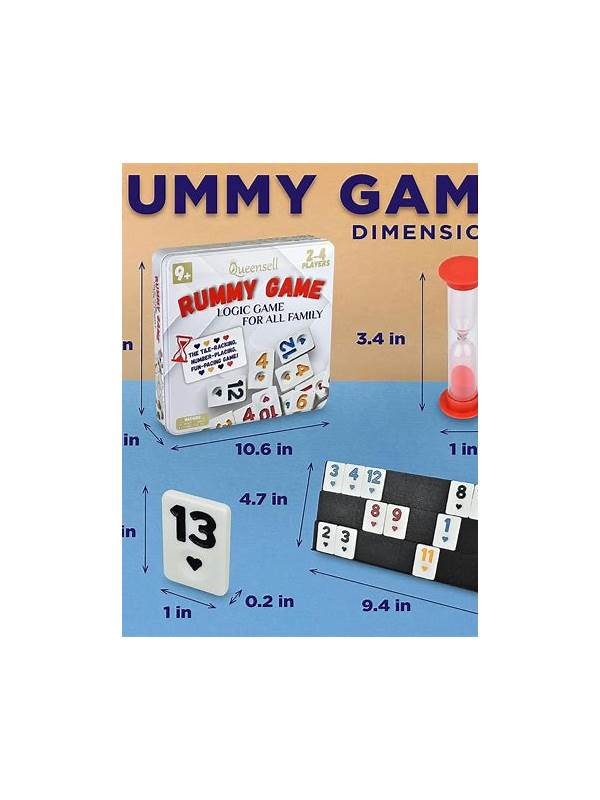
Improvement is easier to measure when a player chooses one skill for a limited period. A weekly rummy goal should describe a behavior, not a result. “Win every session” depends on other players and card distribution, while “verify every group before declaring” can be observed and practiced directly.
Choose a skill that matches a repeated difficulty. If you often hold disconnected cards too long, focus on evaluating flexibility. If your declarations fail, focus on a final structural scan. If you rush, focus on using a fixed three-question pause before each discard. Pick only one primary goal so the review remains clear.
Define the behavior in practical terms. For example, before declaring, check that there is at least one pure sequence, that every card belongs to a valid group, and that no card has been counted twice. Write the three checks in a note before practice. The note should guide attention, not record sensitive account information.
Use a small sample. Three or four short practice rounds may reveal whether the routine is becoming natural. After each round, mark whether you followed the behavior and record one example. Do not extend play simply to reach a target number. A learning goal should fit inside your existing time and budget boundaries.
At the end of the week, ask whether the behavior improved clarity. If it did, keep it as a habit and choose a related goal. If it did not, simplify the wording or practice away from a live table. The value of a weekly goal is the feedback it creates, not a claim that one week can guarantee better results.
You can make the goal easier to review with a simple tally: followed, partly followed, or missed. Add a short reason only when it is useful, such as timer pressure or an unclear rule. Avoid tracking wins as the main measure, because a fortunate result can disguise a poor process and an unlucky result can follow a sound choice.
Choose a stopping point for the experiment before you begin. When the week ends, keep the routine if it makes decisions clearer, revise it if it is too slow, and discard it if it adds no value. Learning goals should make play more intentional and finite, never create pressure to play more often.
Share the goal only with someone who will support the boundary, if sharing helps you stay accountable. You do not need to publish results or compare progress with other players. Private, honest measurement is enough to turn a small practice intention into a repeatable habit.
Related Post
Rummy Tips: Compare Two Plans Before Committing
Comparing two realistic hand plans can prevent early commitment to a narrow rummy idea. [...]
Rummy FAQ: What Is a Good Stopping Point for Analysis?
A useful analysis routine should end before it becomes slow, repetitive, or disconnected from the [...]