Rummy Practice: Reconstruct a Hand From Discards
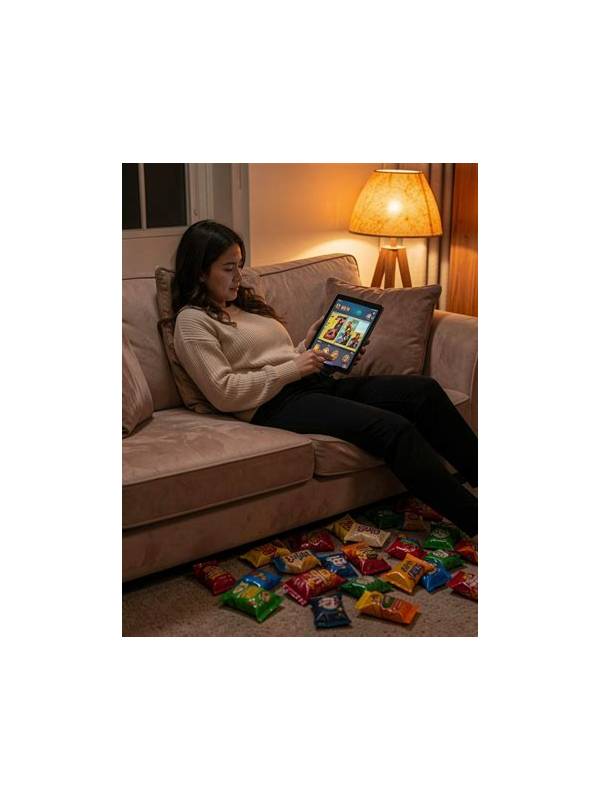
You can practice rummy observation without joining a live table by reconstructing a hypothetical hand from a discard sequence. The exercise is not about guessing an opponent’s exact cards. It is about learning how public information changes the set of plausible plans.
Begin with a short list of ten to fifteen imagined discards and pickups. Include a mixture of suits, ranks, and a few repeated patterns. Hide the player’s starting hand from yourself. After every two or three entries, write two possible explanations for the choices. For example, repeated cards from one suit may suggest a sequence, but they may also be cards that were simply less useful than a different draw.
Mark each explanation as strong, possible, or weak. Use only the evidence in the list. Do not invent a perfect plan for the player or assume that every move was optimal. Real decisions include uncertainty, and a useful drill should reflect that. If the evidence supports several explanations, keep them all alive.
At the end, reveal a sample hidden hand or create one that fits the clues. Compare it with your earlier notes. Which signals helped? Which details did you overvalue? Pay special attention to moments when you treated one discard as proof of a complete sequence. That habit is easy to correct when it is visible on paper.
Repeat the drill with different priorities. In one round, focus on pure-sequence possibilities. In another, track high-point cards that remain unaccounted for. A third round can ask when the player’s likely plan changed. These variations build attention without requiring memorization of a whole table.
Keep the lesson narrow after each exercise. Choose one adjustment, such as “list two explanations before judging a pickup” or “do not treat a single suit card as a confirmed route.” Small rules transfer better to real play than a long list of clever theories. Reconstruction is valuable because it trains disciplined inference while preserving respect for what remains unknown.
For an advanced version, pause the exercise before the final few entries and predict how a rational player might respond to each possible draw. Then add one entry that contradicts your favorite explanation. Notice how quickly the plausible plans change. This teaches an important lesson: public information can narrow possibilities without identifying one answer. When practicing with friends, compare explanations rather than scoring who guessed the hidden hand. The discussion is most useful when it highlights the evidence each person used and the uncertainty they accepted.
Related Post
Rummy FAQ: What Is a Neutral Draw?
A neutral draw changes your choices without clearly improving or worsening the hand. [...]
Rummy FAQ: Does a Joker Always Improve a Hand?
A joker is flexible, but its real value depends on legal structure, timing, and the [...]