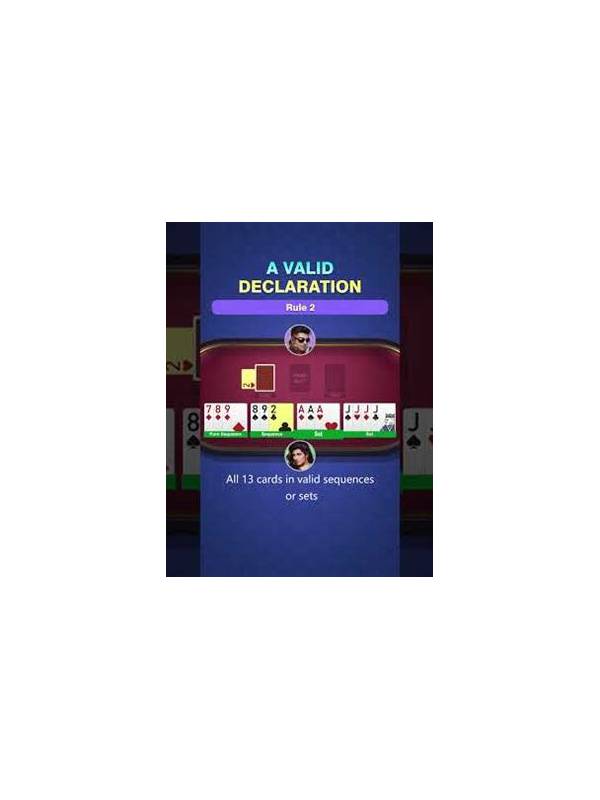
Rummy Repair Cost: Compare How Hard a Card Is to Rescue

Repair cost describes how much work a card needs before it contributes to a valid group. A card may be close to a sequence and have low repair cost, or it may require several exact conditions despite looking attractive. Using repair cost alongside printed points gives you a more complete way to compare discard candidates.
For each loose card, identify the smallest change that would make it useful. A neighboring card may complete a connection, while a pair may need one matching rank. Count the distinct improvement routes rather than counting the same route repeatedly. A card that can be repaired in several ways is generally more flexible than one that depends on a single exact draw.
Now consider the cost of keeping the card. It occupies a place in the hand, may prevent a clean arrangement, and may leave a high penalty if the round ends. A low-point card can still have high repair cost if it has no plausible connections. Likewise, a high card can be reasonable to hold when it is already part of a strong group.
Repair cost changes as the hand changes. If a related card becomes visible in the discard pile, one route may be less attractive because another player could be pursuing it, but the card is not automatically dead. If you draw a useful neighbor, the loose card’s cost falls and a different card may become the weakest link. Recalculate locally rather than restarting the entire hand.
When two candidates appear close, compare three things: immediate penalty, number of repair routes, and the effect on your best existing group. Choose the card whose removal damages the fewest reliable structures while leaving the hand with reasonable improvement routes. Do not discard only because a card is difficult to explain; a difficult card can still be essential to a valid group.
Repair cost is a thinking tool, not a probability guarantee. It cannot reveal hidden cards or predict a draw. Use it with the rules, table information, and a clear stop point. In practice, it makes vague hope more measurable: if a card has no credible repair route after several reviews, the cost of continuing to hold it deserves serious attention.
Use the same comparison in practice rounds so that repair cost becomes a quick observation rather than a complicated calculation during a timed hand.
This habit is most reliable when you compare candidates before looking at the eventual draw.
Related Post
How to Keep a Rummy Score Sheet That Helps You Learn
How to Keep a Rummy Score Sheet That Helps You Learn offers practical guidance for [...]
Rummy How-To: Practice Discard Decisions With a Timer
Timed discard drills improve decision clarity by separating useful speed from rushed guessing. [...]