Rummy Meld Planning When Your Hand Has Three Pairs
Pairs are possibilities, not guarantees. Rank them by the help they need before allowing them to shape the hand.
One more safeguard is to compare your pair plan with the hand’s required structure. A group of pairs may eventually produce a set, but it may not help you satisfy a pure-sequence requirement. Check that your chosen building block serves the format, not merely the visual appearance of the cards. When a pair has survived several turns without improvement, give it a deadline and be willing to replace it with a lower-risk card.
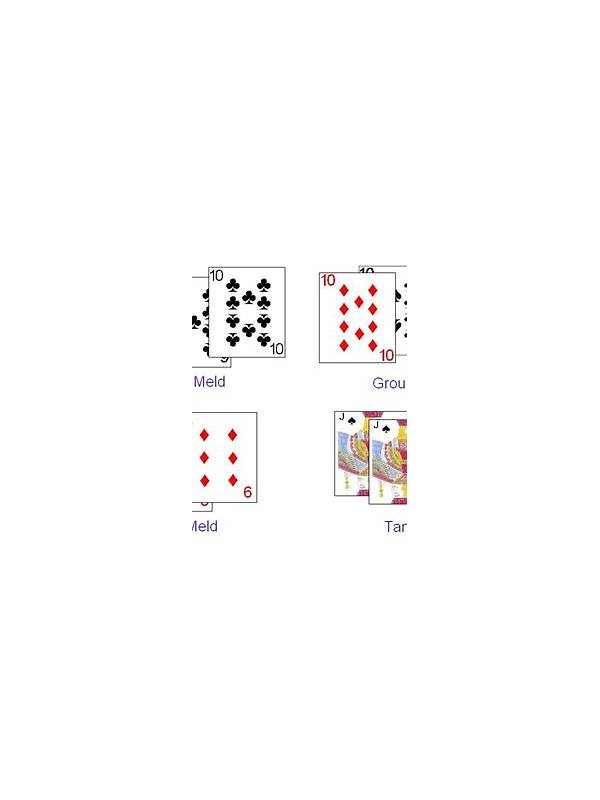
Three pairs can feel promising because every pair looks nearly complete. In practice, they can also trap a player into waiting for too many specific cards. A better approach is to rank the pairs by flexibility and deliberately keep only the combinations that fit a wider plan.
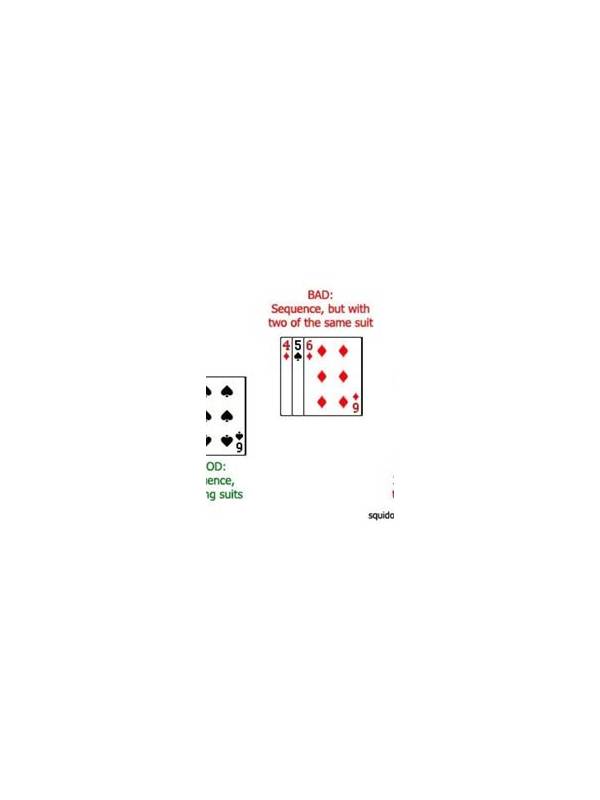
Begin with the pairs that sit close together in the same suit. A pair such as 5 and 6 can become part of several sequences, especially if a 4 or 7 appears. A same-rank pair may become a set, but it depends on cards in other suits. When comparing two pairs, prefer the one with more possible connecting cards and a lower penalty if abandoned.
Do not protect all three pairs equally. Choose one as your main building block and one as a secondary option. The third pair is a candidate for release if it blocks a useful draw. This does not mean discarding a pair instantly; it means refusing to let its apparent value control every later decision.
Suppose you hold 8 and 9 of one suit, 4 and 4 of different suits, and 10 and 10 of different suits. The connected 8-9 pair has a clear sequence route. The 4s and 10s each require more specific cards. If a middle card helps the sequence, you can release one of the rank pairs without regret. If a third 10 arrives, the set option may become stronger, but reassess the entire hand rather than celebrating the pair alone.
Use the discard pile as a test of availability. Several visible cards that would complete one pair may already be gone. That pair is becoming a poor investment. Conversely, a pair with multiple unseen connectors can remain active. Keep your choices based on remaining possibilities, not on how long you have held the cards.
The key question is simple: which two cards can join a valid group with the least help? Build around that answer, keep one alternative, and treat the remaining pair as expendable. Pair-heavy hands become manageable once you stop trying to preserve every promise they seem to make.
Related Post
Rummy Guide: Use a Loose-Card Queue to Simplify Discards
A ranked loose-card queue turns a crowded hand into a manageable set of discard candidates. [...]
Rummy How-To: Build a Small Table-State Card
A four-line table-state note can keep your decisions grounded in the information actually available. [...]