Building a Rummy Vocabulary for New Players
Precise terms make it easier to ask precise questions and understand the answer.
When asking another player or support agent for help, use the vocabulary precisely. Mention the format, the cards involved, and the action you are considering. This produces a better answer than describing a group as “almost a run” or “a matching thing.” Clear questions also make it easier to compare advice with the official rules and notice when two people are discussing different variants.
New rummy players often struggle because several short terms carry important meanings. Learning the vocabulary does not replace practice, but it makes rules and decisions easier to follow. Start with the words that describe the basic structure of a hand.
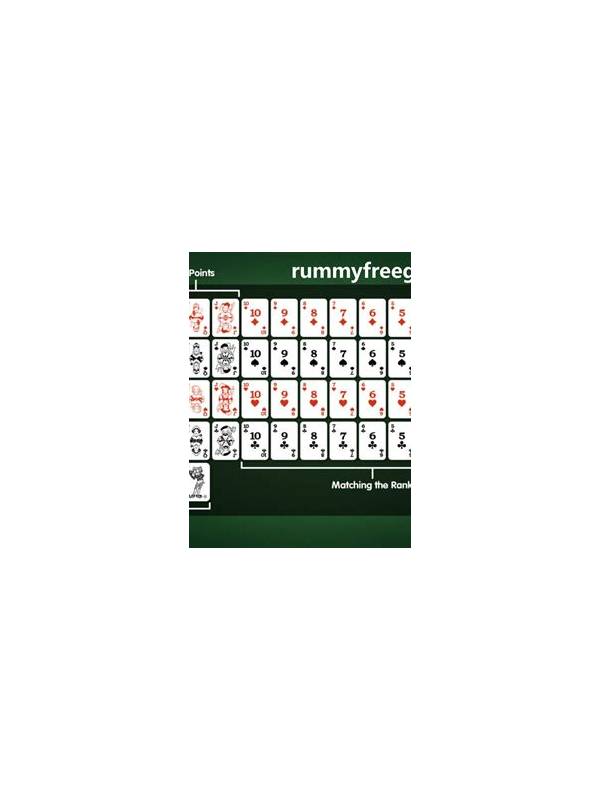
A sequence is a group of consecutive cards from the same suit. A pure sequence contains no joker replacing a missing card. An impure sequence uses a joker or another permitted substitute. A set is a group of cards with the same rank, usually in different suits. Exact requirements can vary by format, so always check the table rules.
The draw pile contains cards available for a hidden draw, while the discard pile displays cards released by players. Drawing from the discard pile gives information to the table because others can see what you selected. A discard is the card you release after drawing, keeping the hand at the required size.
A joker is a flexible card that may substitute under the rules. A wild joker is usually determined by a selected rank or card, while a printed joker is physically marked. Do not assume every platform treats jokers identically. Read how they work before planning around one.
A declaration is the action of presenting a completed hand for validation. A valid declaration must meet the format’s sequence and grouping requirements. An invalid declaration can carry a penalty, so the legality check matters as much as the arrangement.
Finally, learn terms for decision quality. A flexible card has several realistic ways to join a group. An orphan is a card with few connections. A penalty card is an ungrouped card that can add points to a losing hand. “Dead” cards are cards that are unlikely to help because useful copies are known to be unavailable.
Use these terms in your notes after each practice hand. Clear language makes it easier to explain why a decision worked or failed. Once the vocabulary becomes familiar, attention can move from decoding the table to reading the hand itself.
Related Post

Rummy Safety: Use a Cooling-Off Rule After a Large Mistake
Create a practical pause routine for returning to rummy after an upsetting error or loss. [...]
Rummy Comparison: Short Review Loops Versus Long Reviews
Short review loops suit live decisions, while long reviews are better for studying patterns after [...]