Rummy Guide: Separate a Safe Meld From a Pretty Meld
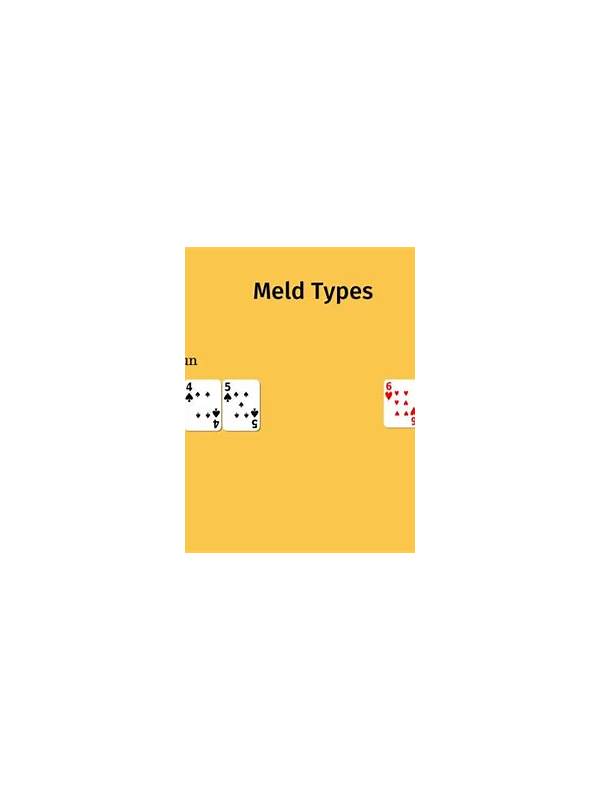
A rummy hand can look encouraging before it is genuinely organized. Three cards that sit close together or share a rank may feel like progress, but a useful meld must do more than look tidy. It should fit the rules, reduce uncertainty, and leave enough freedom for the rest of the hand. Separating a safe meld from a pretty meld is a practical skill for both new and experienced players.
Start with legality. Check that the cards actually belong together under the format you are playing. A run normally requires the same suit and consecutive ranks, while a set normally requires matching ranks with different suits. A near-run with a missing middle card is not yet a sequence, and two cards of one rank are not yet a set. Naming the structure accurately prevents wishful thinking.
Next, ask how many useful roles the cards have. A middle card may connect on either side, while an edge card may have only one natural neighbor. That does not make every middle card safe, but it gives the group more than one possible future. A pretty meld often depends on one precise draw. If that card is unavailable, unlikely, or already discarded, the group may be consuming valuable space.
Consider the cost to the rest of the hand. Holding a promising trio can be sensible when it leaves several cards that can become sequences or sets. It becomes less attractive when protecting it forces you to keep unrelated high-value cards. Compare the likely improvement from waiting with the penalty of carrying loose cards. A meld is safer when it improves your hand without creating a larger problem elsewhere.
Finally, review timing. Early in a hand, flexibility usually deserves more weight because many routes remain open. Later, a nearly complete legal structure may deserve protection because there are fewer turns left. Recheck the group after each draw rather than defending it automatically. A safe meld is not permanent; new information can change its value.
Use a short test: Is it legal now? What cards can improve it? What does keeping it prevent? How many turns can it justify? Those questions turn visual hope into a reasoned plan and make your next discard easier to explain.
You can practice this distinction away from a live table. Take a sample hand and mark each group with a green, yellow, or gray note. Green means legal and useful now, yellow means promising but dependent, and gray means attractive only by appearance. Explain the colors aloud, then change one card and repeat the assessment. This exercise builds the habit of checking the whole hand instead of rewarding the first group that catches your eye.
Related Post
Rummy How-To: Build a Three-Question Review
Three focused review questions can turn a finished rummy hand into a practical next-session experiment. [...]
Rummy Comparison: Speed of Grouping Versus Quality of Grouping
Fast sorting and careful sorting serve different moments in a rummy round. [...]