Rummy Guide: Review a Hand by Its Missing Requirements
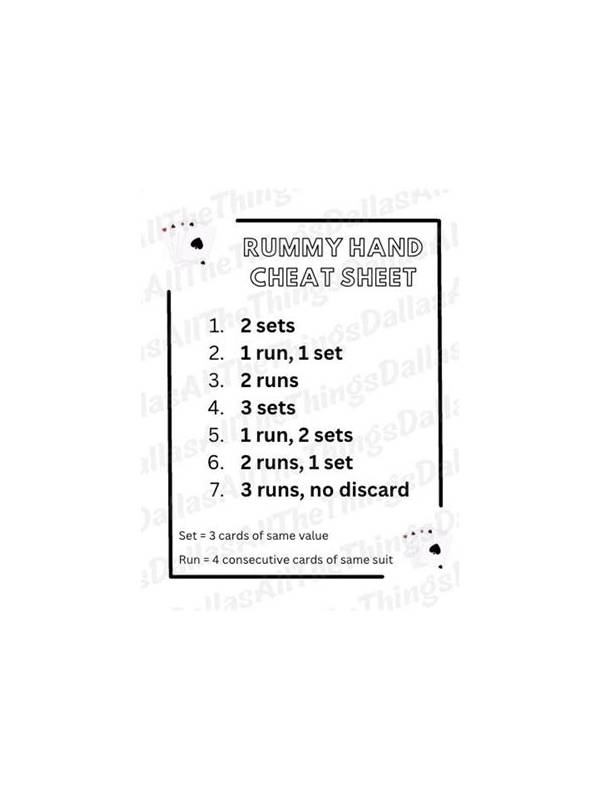
A hand is easier to manage when you describe its missing requirements directly. Instead of saying that it looks promising, write a short list: one required sequence, another group, or a safe discard. This turns vague optimism into a set of tasks that can be checked after each draw.
Begin with the rules for the table. The exact requirements vary, so do not rely on a familiar format. Identify which groups must be pure or otherwise qualified, and note whether a declaration needs a particular number of sequences. A card arrangement that would be excellent in one format may be insufficient in another.
Next, mark what is already satisfied. Do not count a group as complete simply because three cards share a suit or rank. Confirm that it is valid under the current rules. Once confirmed, protect it and remove it from the active problem list. This reduces mental load and helps you see which cards still need a job.
For each missing requirement, record the nearest route. A short run may need one neighbor; a pair may need a matching rank; an unconnected card may need to join a group or leave. Prefer routes with several realistic improvements, but also consider whether the needed cards are visible or contested.
After a draw, update only the list that changed. If the new card completes a required group, cross that item off. If it creates a new partial group, compare it with the remaining requirements. A card that improves an optional set but does nothing for a missing required sequence may still be a lower-priority choice.
Near the end of a hand, shorten the list aggressively. There may not be enough time to pursue three open plans. Choose the requirement with the clearest legal path and release cards that serve only distant possibilities. This is not giving up on improvement; it is matching ambition to the turns available.
The missing-requirements review is useful because it creates a measurable definition of progress. Each turn should either satisfy a requirement, improve its closest route, or remove a card that cannot help. When none of those happens, review the plan before taking another hopeful draw. The list can be written in a few words: “need qualified sequence,” “pair needs match,” or “one isolated discard.” Short notes are easier to update than a full analysis. They also help after a pause or interruption, because you can return to the hand by reading the requirements instead of reconstructing every thought from memory.
Related Post
Rummy Hand Priorities: Rank Tasks Before Choosing a Discard
A clear priority order keeps a complicated hand manageable from draw to discard. [...]
Rummy Comparison: Flexible Cards Versus Completed Groups
Understand the different jobs of flexible cards and completed groups when planning a hand. [...]