Rummy Practice: Train With Delayed Feedback

Immediate results are exciting, but they can teach the wrong lesson. If a risky choice wins, it may feel correct; if a careful choice loses, it may feel weak. Delayed feedback helps separate decision quality from the luck of the next card.
To use this method, record a decision before revealing the outcome. Write the hand state, the chosen route, the alternative you rejected, and the reason for the choice. Include the expected improvement and the main failure cost. Then continue the hand without revisiting the note. The delay prevents the next card from rewriting your memory of what was known earlier.
After several hands, review the notes together. Look for repeated reasoning patterns. Did you consistently overvalue pairs? Did you underestimate the cost of a route with only one useful out? Did you keep flexible cards too long? A group of decisions provides better evidence than one dramatic win or loss.
Use categories instead of a single score. Mark each decision for structure, information use, timing, and risk control. Structure asks whether the plan created legal groups. Information use asks whether visible cards were interpreted cautiously. Timing asks whether the plan matched the remaining turns. Risk control asks whether the downside was limited. A choice can be strong in three categories even if the hand does not finish.
Delayed feedback also works with hypothetical positions. Pause a replay before a critical discard, write two candidates, and reveal the next few cards only after committing to the comparison. Do not grade yourself on guessing the exact winner. Grade whether the chosen option had more robust improvements or a cheaper failure.
Keep the practice session short enough to remain attentive. Five to ten reviewed decisions can be more useful than a long replay in which notes become automatic. End by choosing one behavior to test next time, such as setting an exit rule for speculative cards. Improvement comes from converting observations into one manageable experiment.
Keep the original note even when it exposes a weak habit. Deleting uncomfortable examples makes progress look faster but removes the evidence needed to measure it. Revisit the same category after a few sessions and see whether the new rule changes your choices. If it does not, simplify the rule or choose a more observable trigger.
The delayed record turns vague confidence into evidence you can inspect later.
That evidence is more valuable than a single lucky outcome.
Related Post
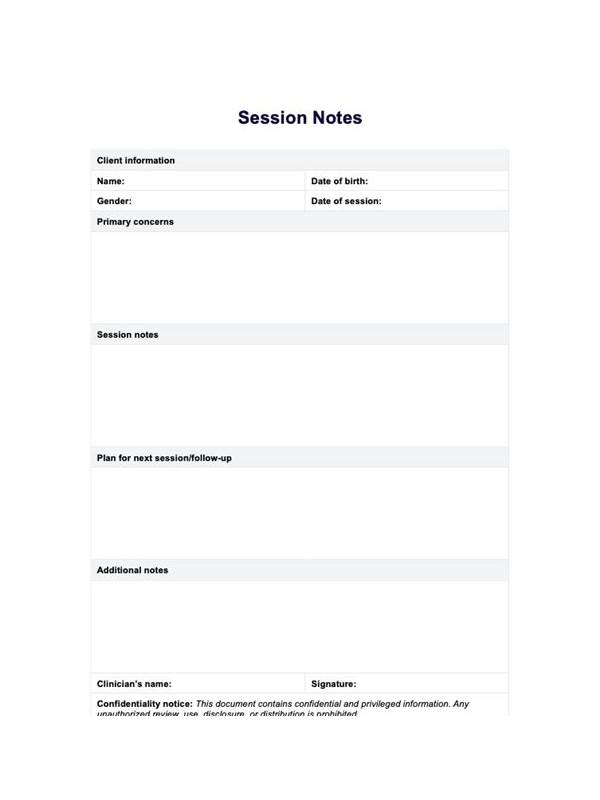
Rummy How-To: Archive Session Notes for Later Review
A compact archive makes it easier to find recurring decision patterns without turning every game [...]
Indian Rummy Table Etiquette for Online Players
Clear, respectful habits make online rummy tables easier to follow for everyone. [...]