Rummy FAQ: Should You Change Plans After an Opponent Melds?
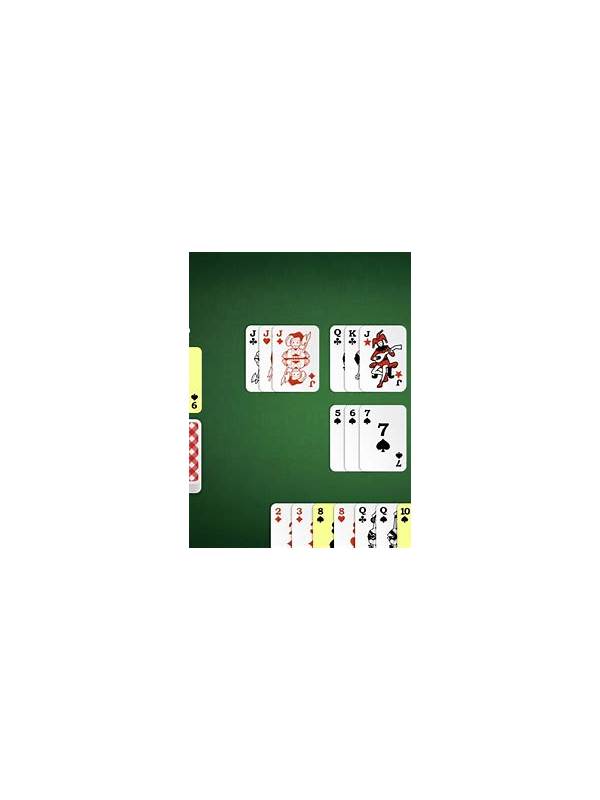
When an opponent melds, you learn something about the visible state of the hand, but you do not learn their complete plan. The right response is a measured update. Check which of your routes are affected, then decide whether the new information changes the next action.
First, record the fact precisely. Which ranks and suits were shown? Did the meld remove a card that your plan needed, or does it merely suggest that some cards may be less available? Avoid turning one public action into a confident story about the opponent’s hidden hand.
Next, review your own requirements. A route that depends on a card now visible in an opponent’s group may deserve a lower priority, especially if no alternate completion exists. A broad route may remain reasonable. If your plan is unaffected, do not abandon it simply because the table changed color.
Compare the cost of changing. A pivot is worthwhile when it reduces a difficult requirement, protects a necessary sequence, or avoids a high-penalty leftover. It is less useful when it only creates a different attractive arrangement. Write the new plan in one sentence before you rearrange the hand. If you cannot explain what improved, you may be reacting rather than adapting.
Also consider information you reveal. A sudden discard that clearly responds to the meld may tell others which cards you were pursuing. Table rules and normal etiquette differ, so follow the format’s expectations. You are allowed to make a sound move without narrating the whole reason.
In the late hand, use a stricter test. Change plans only if the new information affects legality or makes the current finish materially harder. Near completion, unnecessary rearrangement creates counting errors. Confirm the required groups and keep the action sequence clear.
Review these moments after play. Separate the opponent’s observable action, your interpretation, and the decision you made. This three-part note shows whether you updated from evidence or from fear. Over time, you will learn to use melds as useful information without treating them as complete predictions.
It is also reasonable to keep a plan unchanged after a meld. Stability is a decision when the public information does not affect your requirements. State why you stayed, then continue with the same checkpoint rather than searching for a reaction.
Measured consistency is different from ignoring evidence; it is consistency after checking evidence.
Use the same distinction whenever a table action makes you feel hurried.
Related Post

Rummy Safety: Handling an Unexpected Session Disconnection
Follow a careful recovery sequence when a rummy table disconnects unexpectedly. [...]
Rummy App Notifications: Audit Them After a Session
Reviewing notification settings after play can reduce distractions, privacy exposure, and unwanted pressure to return. [...]