How to Keep a Rummy Score Sheet That Helps You Learn
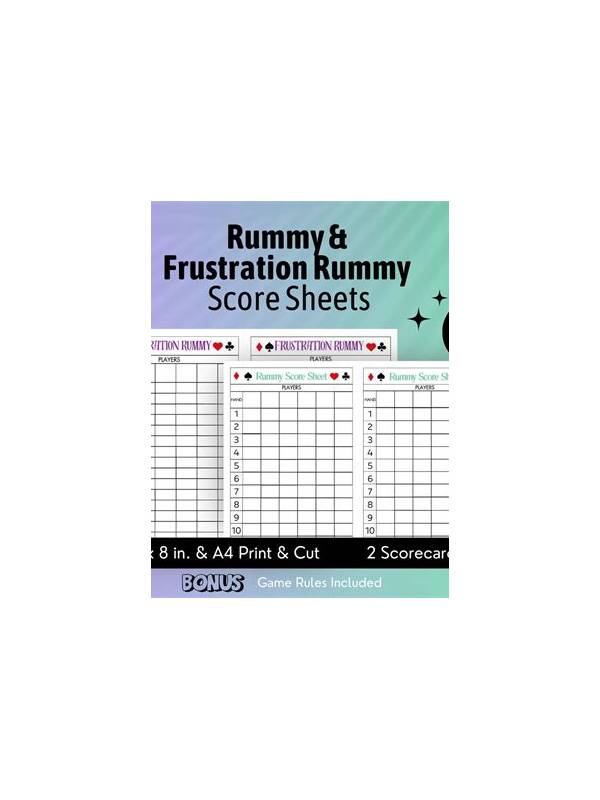
A score sheet is more useful when it records decisions, not just final results. A short, consistent record can reveal patterns that memory hides, such as repeatedly holding expensive cards too long or joining tables before checking the format.
Create one row for each hand. Note the date, game type, starting amount if applicable, result, and final penalty or score. Avoid recording sensitive account details. If money is involved, use broad personal categories or a private local note rather than sharing the sheet with other players.
Add three decision fields. The first is your opening plan: for example, build around one likely sequence and keep a flexible connector. The second is the turning point: identify the draw, discard, or opponent action that changed your options. The third is your exit decision: explain why you ended the hand or continued to the next one. These notes should be factual and brief.
Use a code for common mistakes. “HC” can mean an unnecessary high-card hold, “JP” a premature joker plan, and “RC” a rushed choice. Choose codes you remember, then write the meaning at the top of the sheet. Codes make later counting easier without encouraging long interruptions during play.
Review the sheet after five or ten hands, not after every result. Count how often each mistake appears and look for context. A high-card hold may be reasonable when it supports several sequences, so compare the code with the hand description. Also separate losses caused by a difficult deal from losses caused by a preventable decision.
Include one positive observation. You might have checked the variant before joining, discarded safely, or stopped at a planned limit. Reinforcing good process matters because a learning record should not become a list of self-criticisms.
Keep the review practical. Choose one behavior for the next session, such as checking all legal sequences before discarding or pausing before taking a discard. Do not change five habits at once; too many goals make the record hard to interpret.
Over time, the score sheet becomes a small experiment. It cannot prove that any strategy guarantees a result, because card outcomes are uncertain. It can show whether your attention, rule knowledge, and session choices are becoming more consistent. That is a useful purpose for tracking.
Related Post

The Ultimate Guide to the Best Rum Apps for 2026
The Ultimate Guide to the Best Rum Apps for 2026 Are you a rum enthusiast [...]
How to Review a Rummy App Update Safely
A brief post-update review can catch changed permissions, rules displays, and settings before a session. [...]