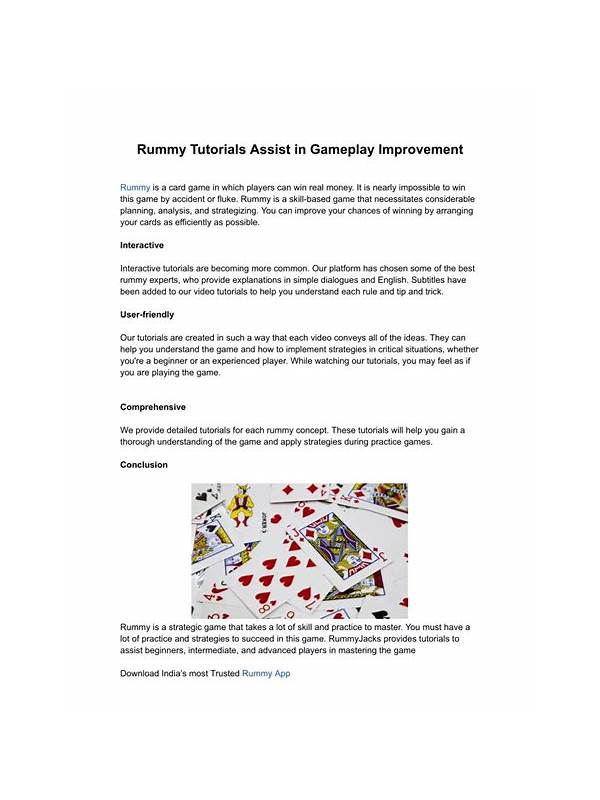
Rummy FAQ: What Counts as a Real Improvement? Rummy FAQ: What Counts as a Real Improvement?
This FAQ explains how to distinguish a genuine rummy improvement from a change that only makes the hand look tidier. [...]
This FAQ explains how to distinguish a genuine rummy improvement from a change that only makes the hand look tidier. [...]
Comparing loose cards with committed groups helps clarify when a rummy hand is flexible and when it is merely unfinished. [...]
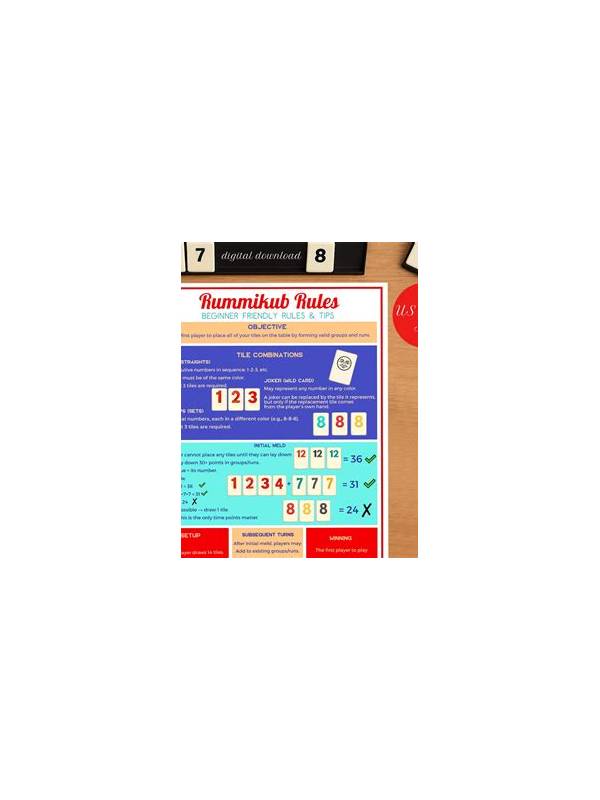
A compact card-need checklist can keep an uncertain rummy hand organized from draw to discard. [...]
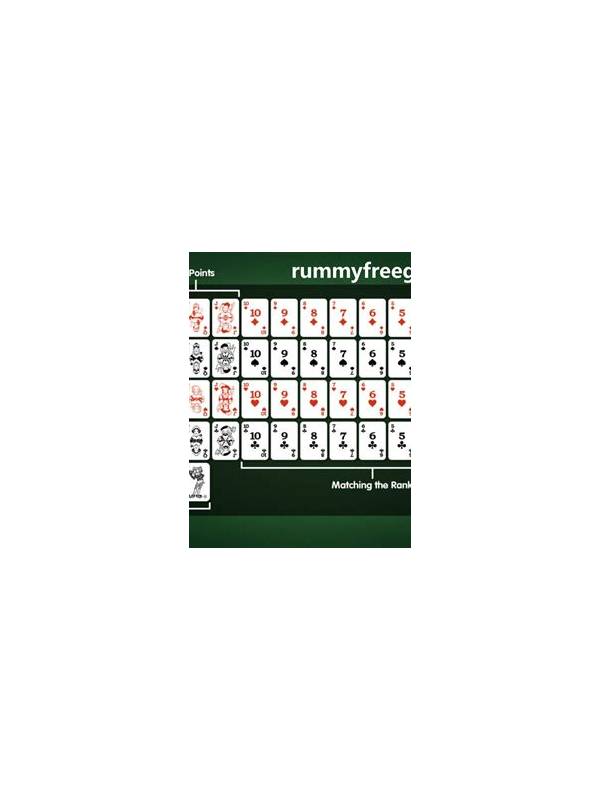
A predefined review point helps evaluate a risky rummy plan before it becomes difficult to abandon. [...]
A calm recovery plan limits the damage of a rule mistake and turns it into a concrete learning task. [...]
A missed draw is useful when it prompts a precise reassessment instead of an emotional reaction. [...]
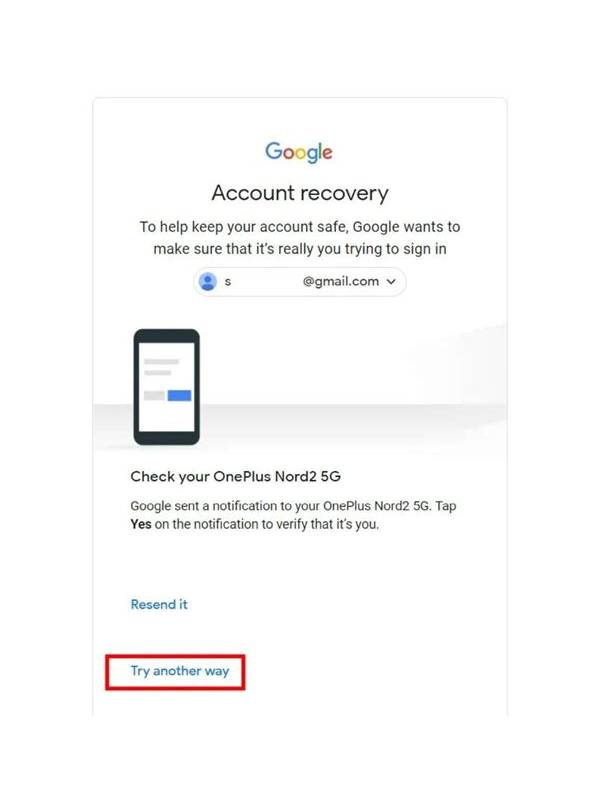
Protecting recovery information reduces the chance that a game account becomes an entry point to other personal accounts. [...]
Comparing momentum feelings with observable evidence can reduce attachment to a rummy plan. [...]
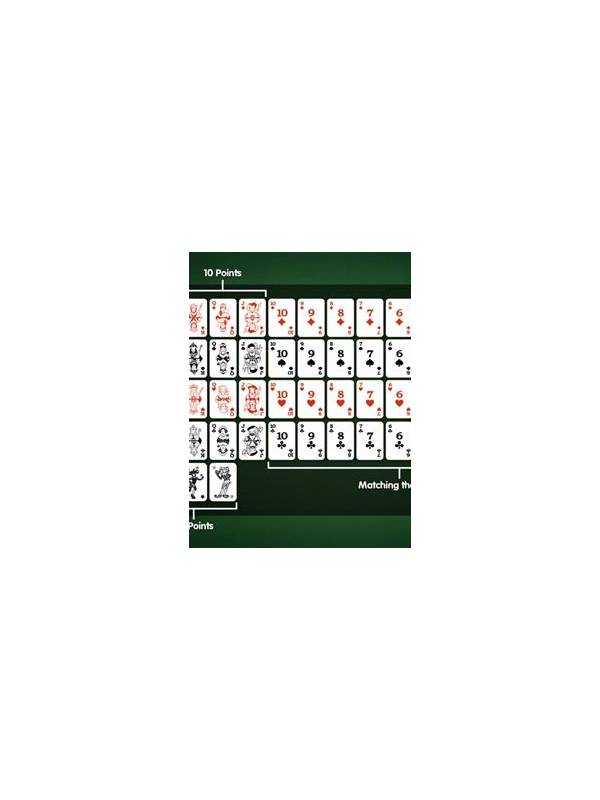
A short opening routine helps you identify requirements, structure, and risk before the hand becomes busy. [...]
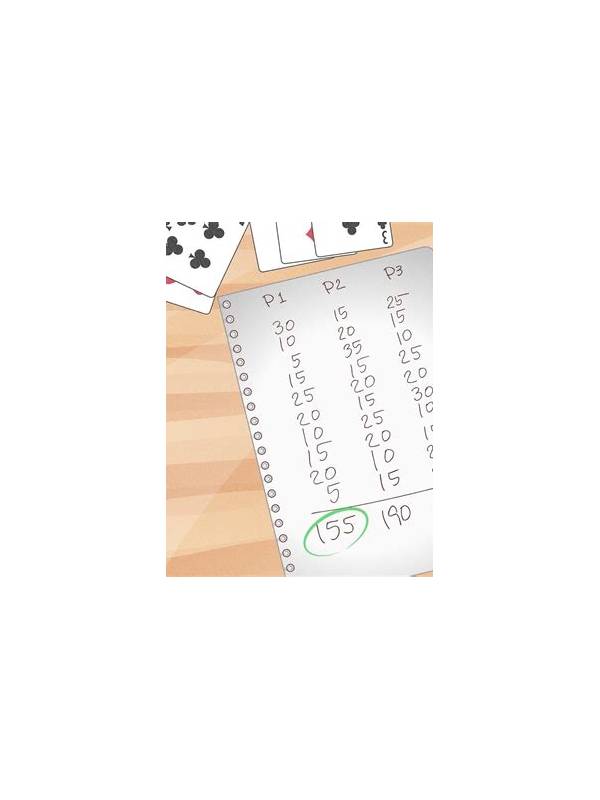
Rechecking rules at key moments prevents assumptions from turning into invalid declarations or poor choices. [...]