Rummy FAQ: When Should You Check the Table Rules Again?
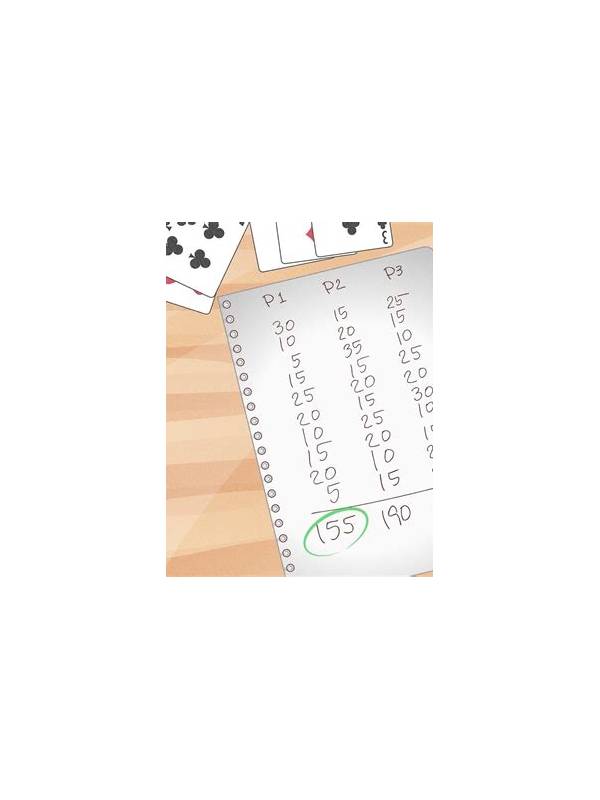
You should check table rules whenever the format, stakes, or declaration conditions are not completely familiar. Even experienced players benefit from a quick review when moving between points, pool, deals, or house-rule variations. Similar names do not guarantee identical requirements.
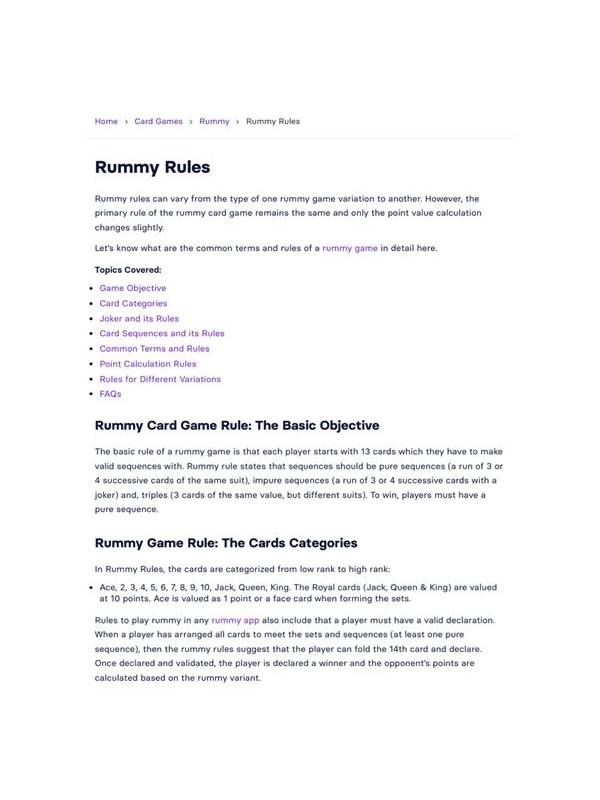
Review rules before the first hand if the application presents a new table or opponent count. Confirm the hand size, number of decks, joker treatment, minimum sequence requirements, scoring, and what happens after an invalid declaration. These details affect strategy from the first draw, so discovering them at the end is costly.
Check again when a special card enters the hand. A printed joker, wild joker, or bonus card may have restrictions that differ from ordinary cards. Do not assume that a joker can support a pure sequence or that every visible group is eligible for declaration. Use the in-app help or official rules page where possible.
A rule check is also useful after a long break or an application update. Interfaces may change labels, timers, or confirmation steps. If a prompt is unclear, stop before confirming an action. Support staff can explain account or scoring questions, but they cannot make an uncertain interpretation safe after the result is recorded.
Make rule checking part of your review routine, not a sign of weakness. Keep a short note of the format’s critical conditions, and avoid relying on copied advice from an unrelated table. Correct rules create the foundation for meaningful strategy; without them, a good-looking hand can still be invalid.
Keep the rule note short enough to consult. Include only conditions that can change your action, such as the required number of pure sequences, whether jokers may substitute, and how an invalid declaration is scored. If the official help page uses unfamiliar terminology, write a plain-language translation for yourself without changing the underlying meaning. Recheck the original wording when uncertain. A concise reference reduces avoidable mistakes, while an unofficial summary should never override the current table’s displayed rules.
Keep the rule note short enough to consult. Include only conditions that can change your action, such as the required number of pure sequences, whether jokers may substitute, and how an invalid declaration is scored. If the official help page uses unfamiliar terminology, write a plain-language translation for yourself without changing the underlying meaning. Recheck the original wording when uncertain. A concise reference reduces avoidable mistakes, while an unofficial summary should never override the current table’s displayed rules.
Related Post
Rummy Comparison: Open-Ended Draws Versus Pair-Based Draws
Compare two common types of unfinished combinations by flexibility, exposure, and fallback value. [...]
Rummy Hand Temperature: A Simple Label for Stable and Uncertain Groups
Labeling groups as stable, warm, or cold offers a quick way to reassess a changing [...]