Rummy FAQ: Why Do Middle Cards Often Need Context? Rummy FAQ: Why Do Middle Cards Often Need Context?
Middle cards have many apparent neighbors, but their real value depends on suit, available extensions, and the rest of the hand. [...]
Middle cards have many apparent neighbors, but their real value depends on suit, available extensions, and the rest of the hand. [...]

A poor opening hand becomes easier to manage when you reduce uncertainty in stages instead of forcing an instant complete plan. [...]
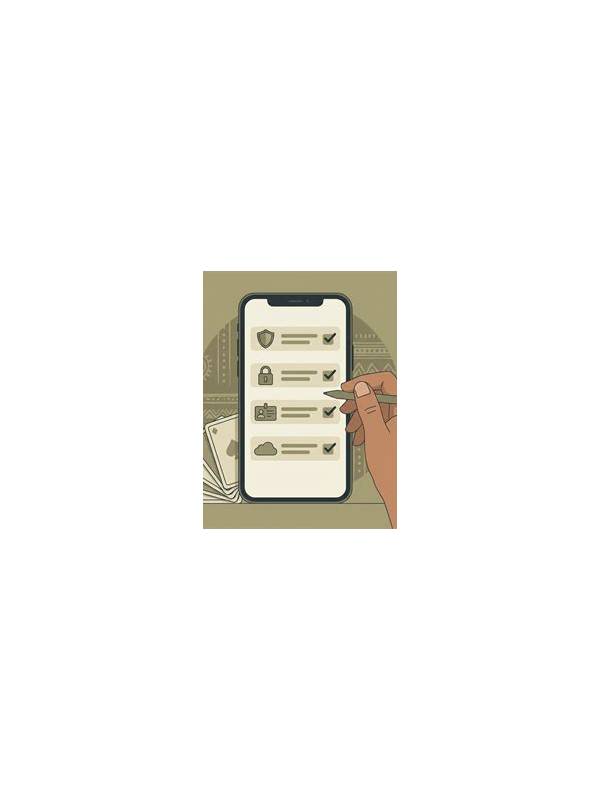
A clear separation between entertainment funds and essential money makes spending limits easier to follow. [...]
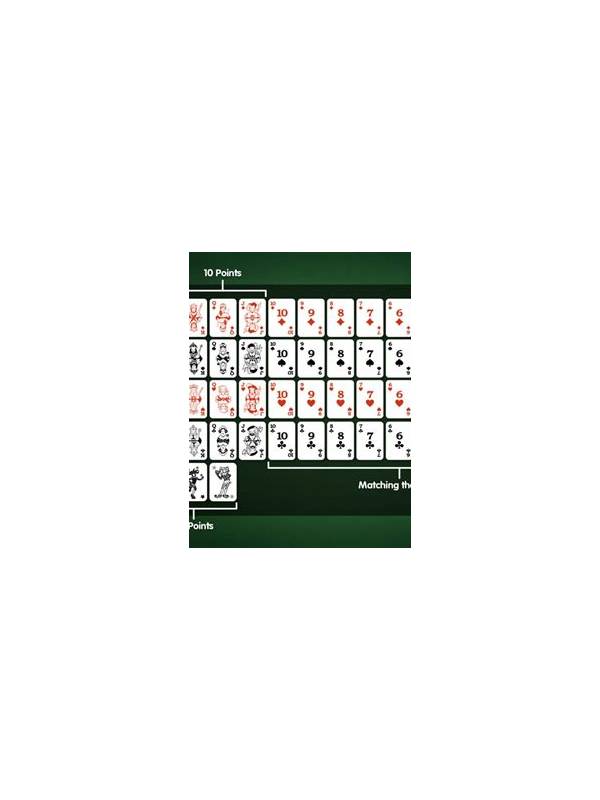
A planned pause point gives you a chance to reassess a narrow draw before emotion turns it into an automatic choice. [...]
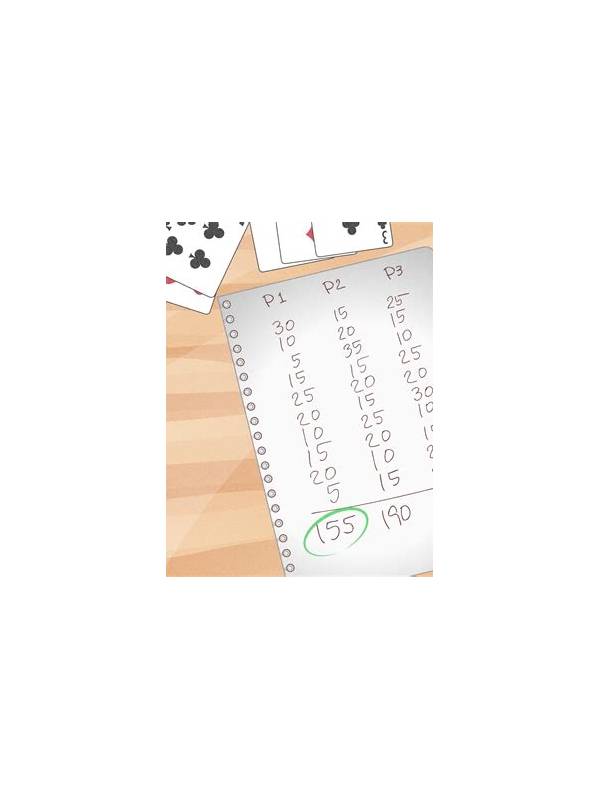
A short observation routine helps a player understand a new table without guessing too much from early moves. [...]
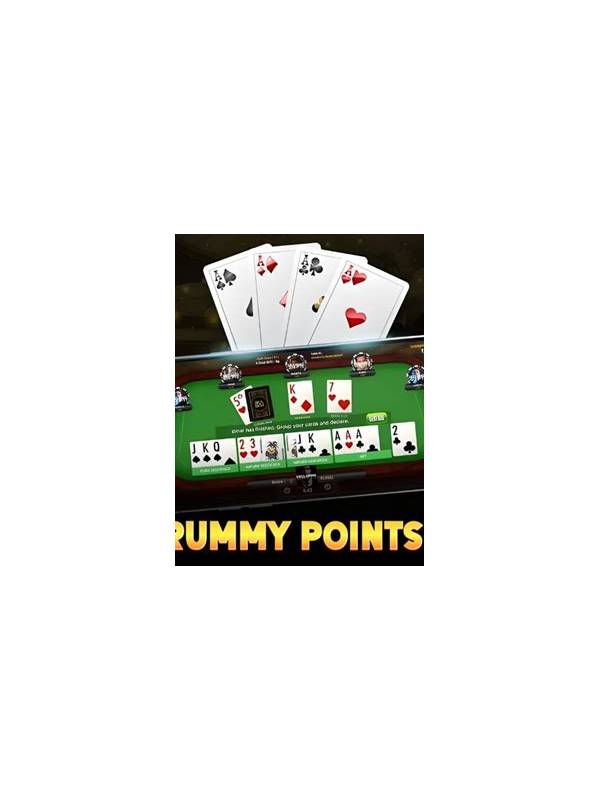
Comparing the work each card still requires can improve discards when several cards look equally weak. [...]
A simple sorting layout can make useful combinations easier to see while keeping decisions flexible. [...]
Fixed deadlines create discipline, while natural plan changes offer flexibility; combining both can improve hand management. [...]
Middle ranks often offer more sequence directions, while edge ranks can be useful when they fit an already established plan. [...]

A fast start creates early progress, but it does not guarantee that the remaining groups will be easy to complete. [...]