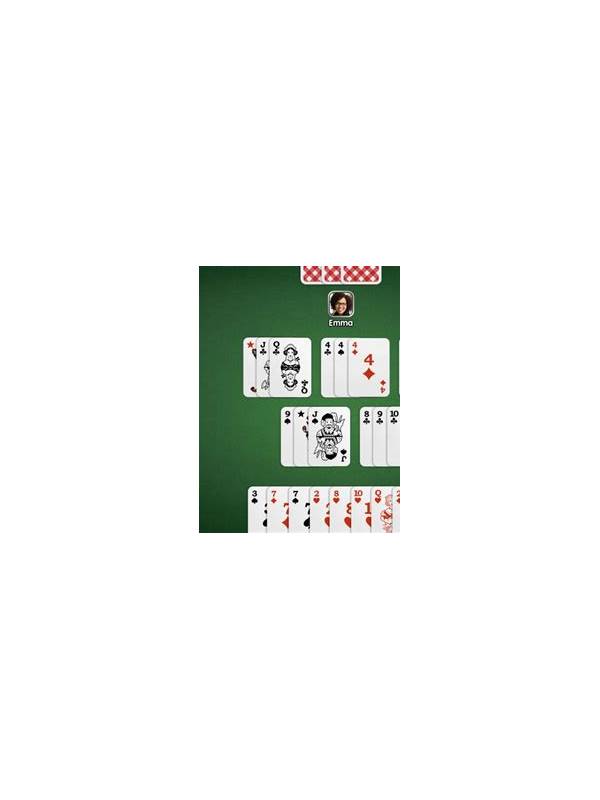
Rummy Guide: Create a Clear Sorting Layout
Why layout matters
In a rummy hand, organization is part of the decision process. A crowded row makes every card look equally important, while a clear layout separates evidence from hope. The aim is not to arrange cards beautifully; it is to make the next sensible action visible without committing too early.
Start by grouping cards by suit, then place ranks in ascending order. Keep jokers slightly apart so they remain available for more than one possible combination. Do not lock a pair into a final meld merely because it is adjacent. A pair is information about a possibility, not proof that the route is best.
Use three zones
Create a confirmed zone, a candidate zone, and an unassigned zone. The confirmed zone contains combinations that already meet the rules you are using, such as a natural sequence. The candidate zone contains pairs, near-runs, and cards that could support several plans. The unassigned zone holds cards with no convincing connection yet.
This arrangement helps prevent a common mistake: treating every attractive combination as equally valuable. A confirmed sequence protects progress. A candidate group deserves attention but may still be broken. An unassigned high card may be a discard candidate, especially if it has no nearby rank or suit support.
Re-sort after important information
Rearrange the hand after a joker appears, after a useful card is discarded, or when an opponent takes a card you expected to draw. These events change the value of your candidates. A card that had one route may now have two, while another may have become less likely to help.
Avoid constant rearranging after every small thought. Excess movement can hide the fact that your plan is not changing. Use a short review: identify the confirmed group, count the live candidates, and ask whether the unassigned cards still deserve another turn.
Final check
Before discarding, look at the hand in the same three zones. Can the candidate zone produce a legal arrangement with a realistic draw? If not, move one card toward the unassigned zone and reconsider its cost. A good layout does not predict the deck. It simply makes your assumptions visible, which leads to calmer and more accurate choices.
If the platform offers an automatic sort, use it as a starting point and then create your own visual separation. Mark a card as confirmed only when the rules support it. This distinction is especially helpful after a draw, when the new card can make an old arrangement look better than it really is. Clear zones let you change direction without rebuilding the entire hand in your head.
Related Post
Rummy Practice: Explain Three Legal Alternatives
Comparing three legal arrangements teaches you to evaluate a hand by structure, flexibility, and exit [...]
Rummy Safety: Verify a Payment Notice Independently
Independent verification helps players avoid acting on convincing but fraudulent payment messages. [...]