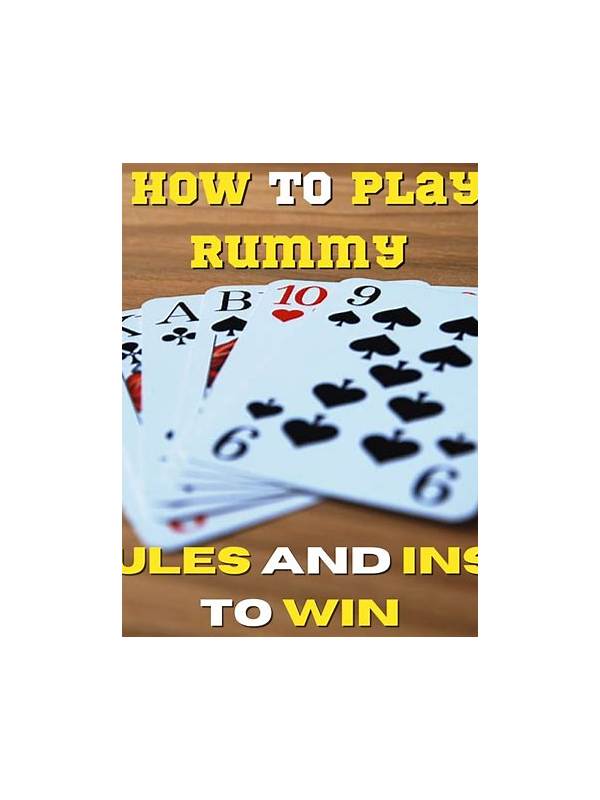
Rummy How-To: Check a Hand With a Reverse Scan Rummy How-To: Check a Hand With a Reverse Scan
A reverse scan starts with the most costly unmatched cards and works toward the strongest structures. [...]
A reverse scan starts with the most costly unmatched cards and works toward the strongest structures. [...]
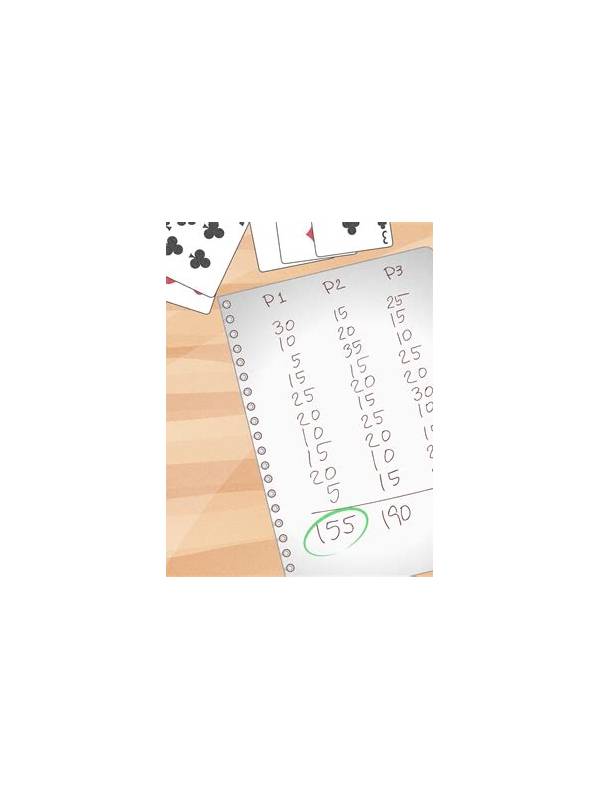
When one card supports two plans, compare the plans by remaining work, exits, and penalty rather than choosing by appearance. [...]

A simple private record can make rummy spending visible and support deliberate limits. [...]

Rummy decisions change with timing, so compare priorities at the beginning, middle, and end of a round. [...]

A compact post-round review captures one useful lesson without turning every rummy result into a long analysis. [...]

A missing-card map shows which draws matter while preventing a player from pursuing every possible connection. [...]

A few privacy habits can reduce accidental exposure when playing rummy in a public or shared space. [...]
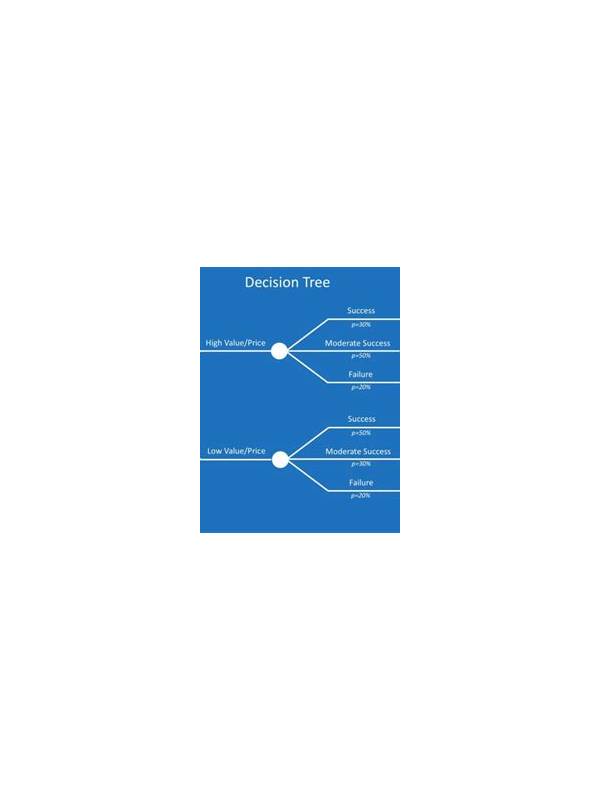
A small decision tree can turn a rushed rummy turn into a repeatable sequence of checks. [...]
Comparing a card’s next two realistic jobs can make close keep-or-discard decisions easier. [...]
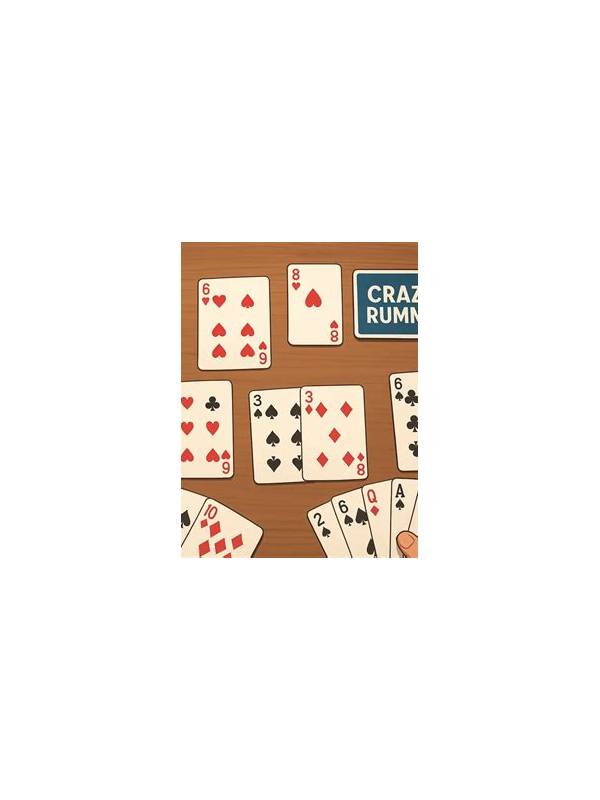
A three-layer snapshot helps players describe a rummy hand clearly before choosing a draw or discard. [...]