
Rummy FAQ: Why Do Edge Cards Need Extra Attention? Rummy FAQ: Why Do Edge Cards Need Extra Attention?
Low and high ranks have fewer sequence connections, so their progress should be checked more deliberately. [...]
Low and high ranks have fewer sequence connections, so their progress should be checked more deliberately. [...]

Compare an anchored hand with a flexible hand by examining requirements, points, and next-turn choices. [...]
An unsorted-hand exercise helps players notice groups without depending on a familiar visual layout. [...]
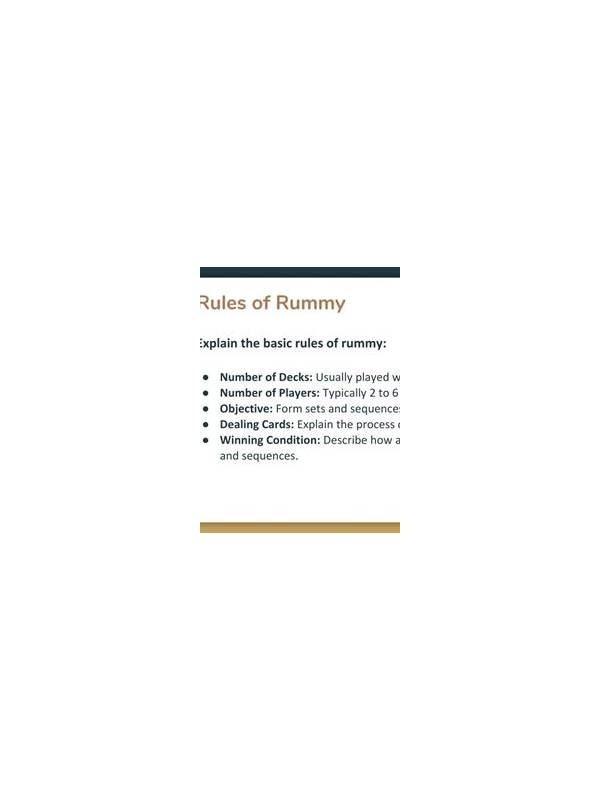
Use a one-minute audit to confirm the format, timing, scoring, and exit rules before play begins. [...]

Simple privacy habits can reduce exposure when playing a card game on a shared or public screen. [...]
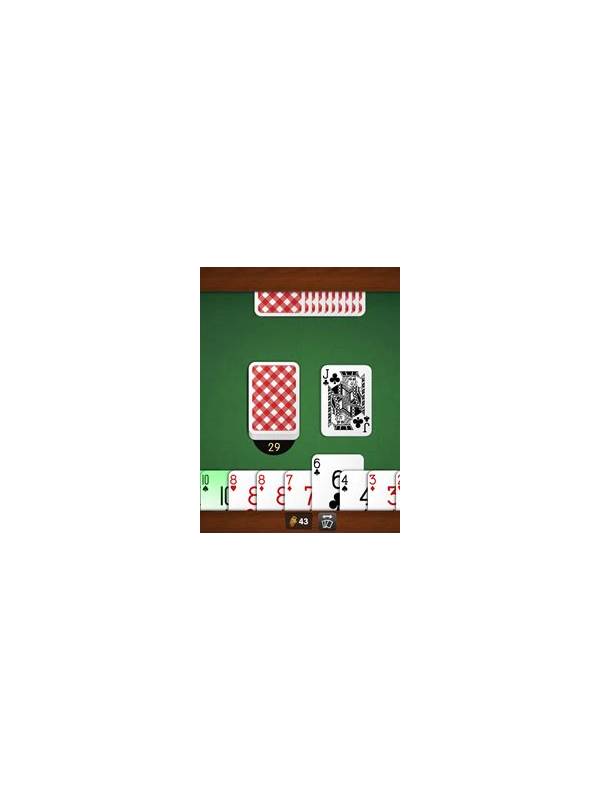
Learn how suit, rank distance, and alternative uses determine whether a card is genuinely useful. [...]

Compare candidate meld plans by progress, flexibility, risk, and the quality of their next discard. [...]
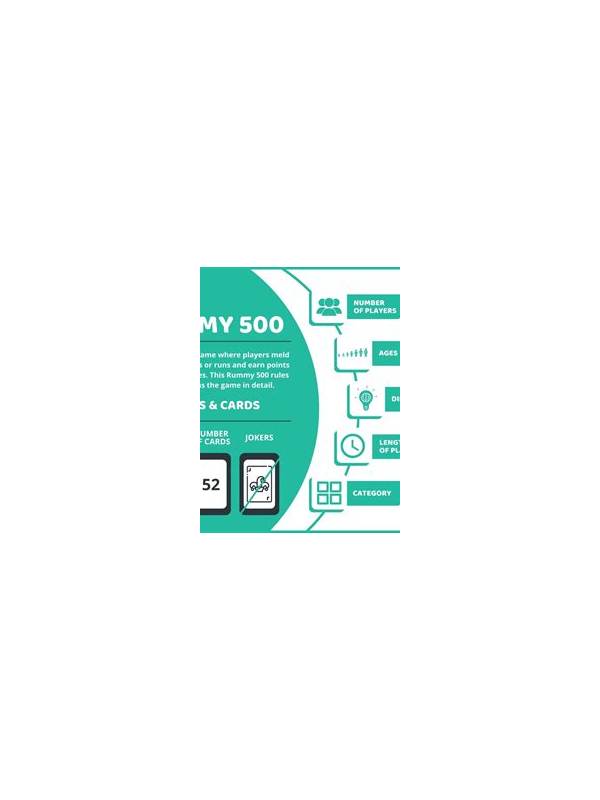
A practical method for deciding whether each card is a connector, anchor, flexible tool, or safe exit. [...]
Separating suit and rank checks reduces common visual errors when grouping cards on a digital table. [...]
Reassessing weak combinations helps players make room for better structures as new cards arrive. [...]