Rummy Tips: Read the Discard Pile in Layers
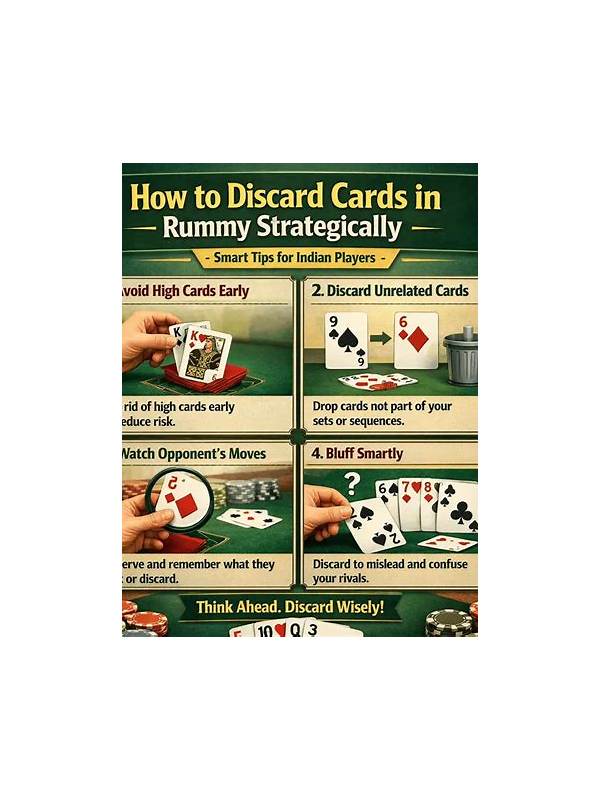
The discard pile contains information, but it is easy to turn that information into an overconfident story. A better approach is to read it in layers. Begin with facts, add reasonable possibilities, and keep speculation separate from both.
The first layer is direct evidence. Note which ranks and suits have appeared, which cards are still visible, and whether a recent discard was picked up. A card taken from the pile is stronger evidence than a card that simply remains exposed, because someone made an active choice to use it. Even then, the exact purpose of the pickup may be unknown.
The second layer is pattern recognition. Several nearby cards in one suit may suggest a sequence is being developed, while repeated cards of one rank may indicate interest in a set. Treat these as signals rather than conclusions. Players can discard cards they no longer need, disguise their plans, or pick up a card for a temporary reason.
The third layer is personal relevance. Ask how the visible information affects your own hand. If a card you need has already appeared in the discard pile and was not taken, that may slightly change your estimate of a route. If an opponent repeatedly ignores a card that would help your plan, it may be safer for you to keep considering that route. The information matters because it changes a decision, not because it creates an interesting narrative.
Avoid spending equal attention on the entire pile. Give priority to recent cards, pickups, and cards that connect directly to your unfinished groups. Older cards still provide context, but their meaning is usually weaker because more turns have passed and more hidden cards may have changed the situation.
At the end of each turn, summarize the pile in one sentence: “I know this, I suspect this, and I will act on this.” For example, you may know that a connecting seven was ignored, suspect that an opponent is avoiding one suit, and act by comparing your plan with a safer alternative. This short summary protects you from treating guesses as facts. Good observation narrows choices; it does not remove uncertainty.
Remember that the pile is public but your interpretation is private. Two players can see the same sequence of discards and draw different conclusions because their hands create different incentives. Use the pile to adjust your own choices, not to imitate a presumed opponent plan. If the information does not change which card you would keep or release, acknowledge it and move on. Attention is also a resource, and spending it on clues with no decision consequence can make the rest of your hand harder to manage.
Related Post
Rummy Guide: Calculate Hand Density Before Choosing a Route
Hand density shows how much of your starting hand already supports a practical rummy plan. [...]
Rummy How-To: Create a Quiet End-of-Session Routine
A quiet end-of-session routine closes play with a record, boundary check, and clear stopping point. [...]