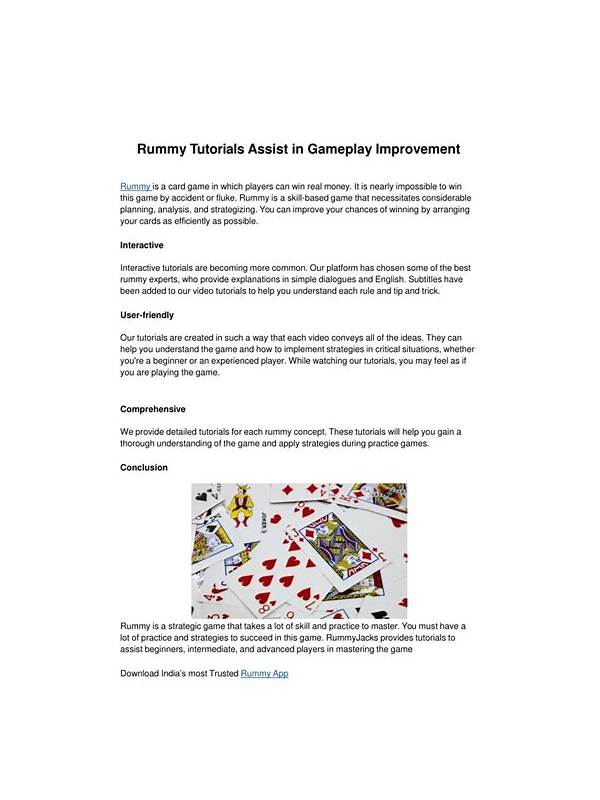
Rummy FAQ: When Is a Small Improvement Not Worth It? Rummy FAQ: When Is a Small Improvement Not Worth It?
A small improvement may be a poor trade when it reduces flexibility, increases exposure, or delays a required group. [...]
A small improvement may be a poor trade when it reduces flexibility, increases exposure, or delays a required group. [...]
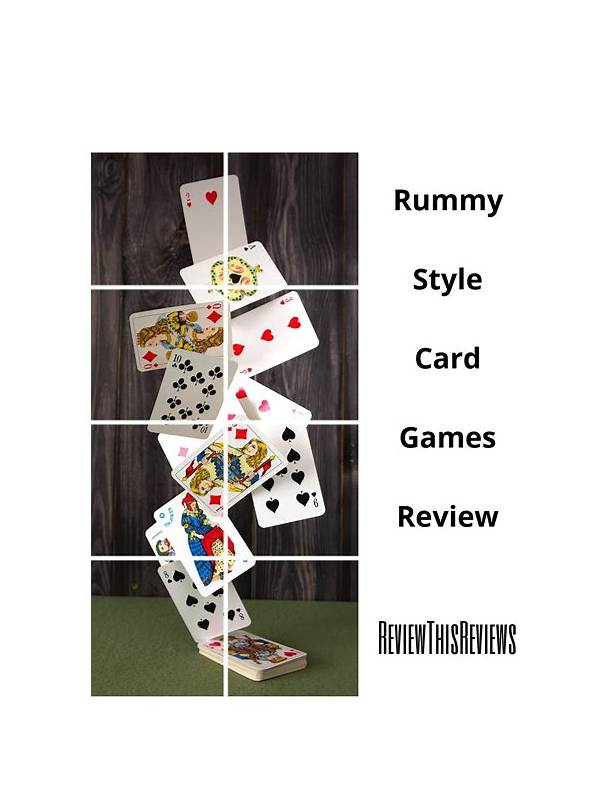
A joker can change several card roles at once, so reassessing the whole hand is better than celebrating one new group. [...]

Avoiding hand and account screenshots in shared chats protects privacy and prevents misunderstandings during rummy play. [...]

Drawing for information and drawing for completion serve different purposes, so each should be judged by its cost and timing. [...]

Counting unfinished connections gives a quick picture of whether a hand is developing or merely holding possibilities. [...]
A compact debrief template turns a rummy session into a few specific lessons without judging the result alone. [...]

Duplicate ranks can support a set, but their true value depends on suits, neighboring cards, and the variant’s requirements. [...]
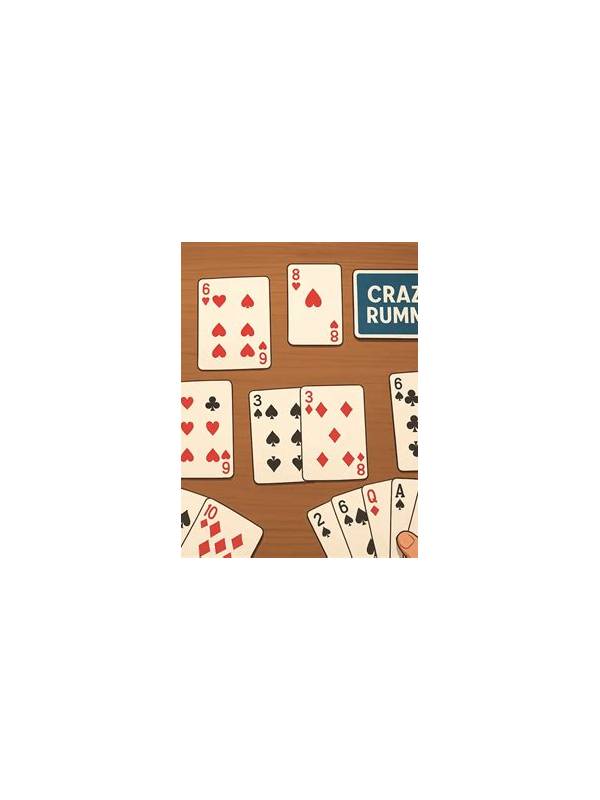
The last-useful-card test identifies whether a group still has a credible reason to remain in your hand. [...]

Comparing visible progress with hidden flexibility helps balance completed groups against future options. [...]
A quick device-lock check helps protect a rummy session when a phone or tablet is shared or misplaced. [...]