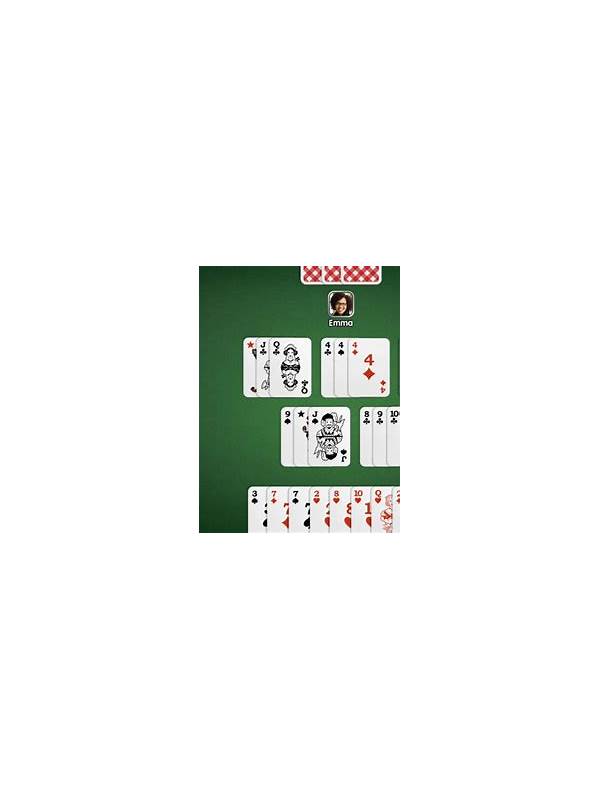
Rummy FAQ: Should You Preserve a Route With Fewer Cards?
A route containing fewer cards can look efficient, but card count alone does not show whether it is close to completion. A two-card route needing one exact rank may be less practical than a three-card route improved by several different cards.
First ask what “fewer” means. Does the route need fewer total cards, fewer missing cards, or fewer turns? These are different measurements. A route may have a small visible gap but depend on a card that is unlikely to appear or that would be costly to wait for.
Next check completion quality. If the route improves, does it create a valid group while leaving the rest of the hand manageable? A route that finishes one small part but strands several unrelated cards may not reduce the total work. Count what remains, not only what is nearly complete.
Flexibility matters as well. List the realistic cards that help the route and compare them with the cards that help an alternative. Keep a narrow route when it has a clean exit and the timing is favorable. Release it when it requires repeated exact draws and has no shared fallback.
Finally, assess emotional attachment. A route with fewer cards is easy to defend because it looks close. Ask whether you would choose it if it appeared in a fresh hand. This thought experiment separates current structure from sunk effort.
The practical rule is to preserve the route with the best combination of remaining work, helpful-card breadth, and recovery. Fewer cards may be part of that combination, but they are not the whole decision. If unsure, set a checkpoint rather than making an emotional commitment. Hold the route for one defined draw, list what counts as improvement, and decide in advance what a miss changes. This gives an efficient-looking route a fair test without allowing it to consume unlimited turns.
At the checkpoint, compare the route with the best alternative rather than judging it alone. Ask whether the new hand still has a useful fallback, whether the required cards remain realistic, and whether the leftover cost has increased. If the answers deteriorate, release the route calmly. A planned exit protects flexibility better than a last-second reaction.
This checkpoint also protects attention. Once the route has failed its stated test, stop defending it with new explanations. Move the cards into a fresh inventory and evaluate what remains. A clear reset is often more useful than extending a plan simply because it was close earlier.
Related Post

Rummy Guide: Use a Three-Stage Plan for the Middle Game
Divide the middle game into assessment, selection, and execution so an unclear hand becomes manageable. [...]
Rummy How-To: Use a Turn Budget for Difficult Hands
Assigning a small turn budget to a weak plan helps you change direction before hope [...]